Making cinematic platformers is hard. The “cinematic” part of it usually means that developers need to introduce enough variety and also fun unexpected twists and moments, while also somehow making sure that the pace of the game feels very tight, with no moments that would drag on. This also means that the best examples of the genre tend to be relatively short experiences, clocking under 4-5 hours if you do things well. Which makes sense – as with a good movie or a theater play, you wouldn’t sit through a longer runtime, it will simply start to get boring. Usually only puzzle-focused type of these games, or outright puzzle platformers, take longer to complete, since those games focus more on systemic puzzle solving, rather than an exciting adventure that keeps on moving. There are well known examples of the genre, from going back to its origins with Another World/Out of this World, to far more recent classics like INSIDE. And people seem to generally like the Little Nightmares titles, even though I find them a bit too boring. There are even some great but more “underground” examples like The MISSING: J.J. Macfield and the Island of Memories.
Darwin’s Paradox!, based on its initial showings and a demo, had a lot of promise. Octopus as the main character, who can stick to surfaces and shoot ink, in itself opened up a lot of possibilities for fun shenanigans, and the American 1950s pulp as the tone seemed really fun too. As I was playing the game’s initial sections I was occasionally frustrated, but always wanted to ignore those annoyances, because the game simply had too much charm. But as I kept playing, the game started dragging on, until by the end I was constantly on the verge of just dropping the game entirely. Which is a real shame.
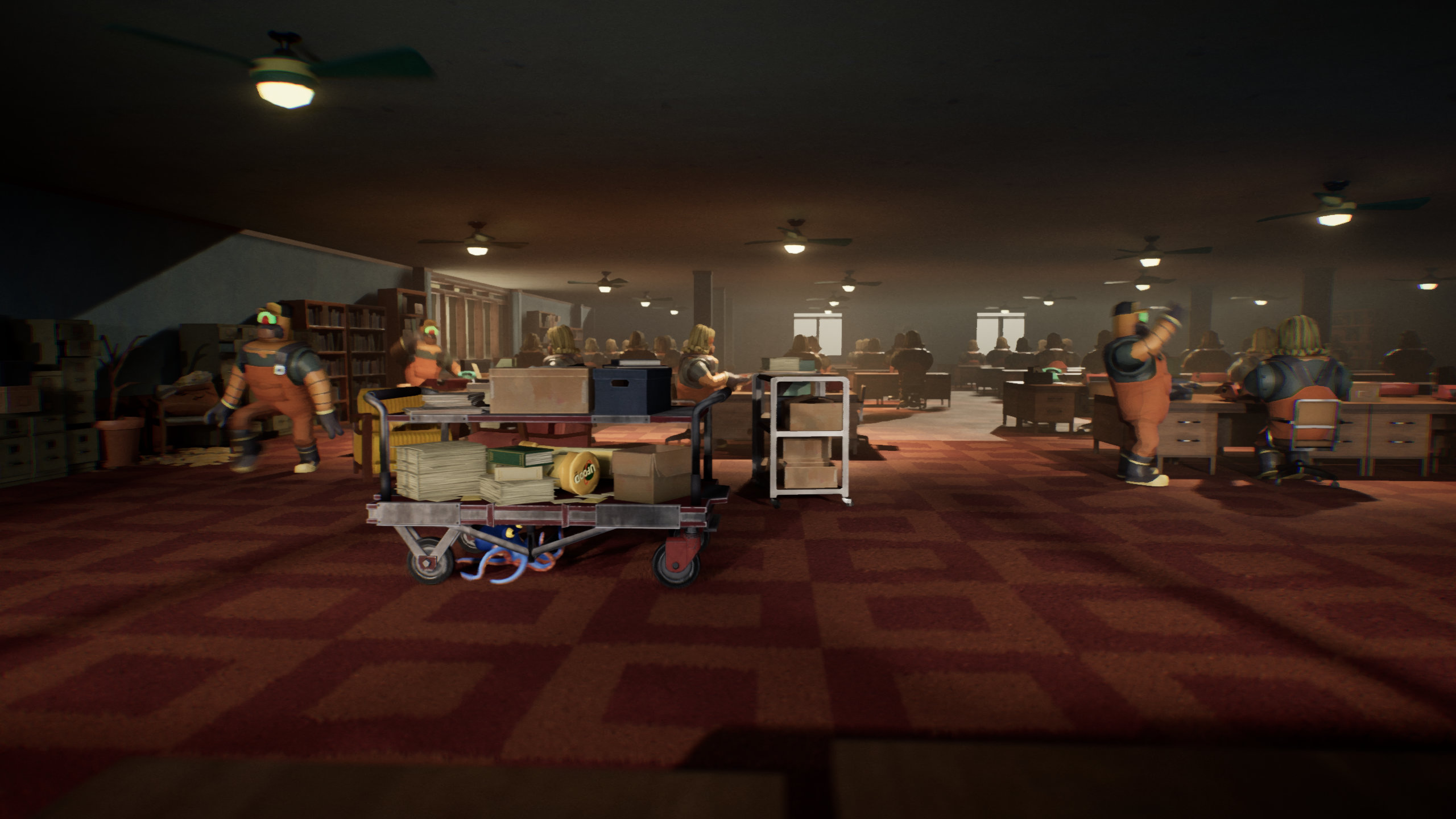
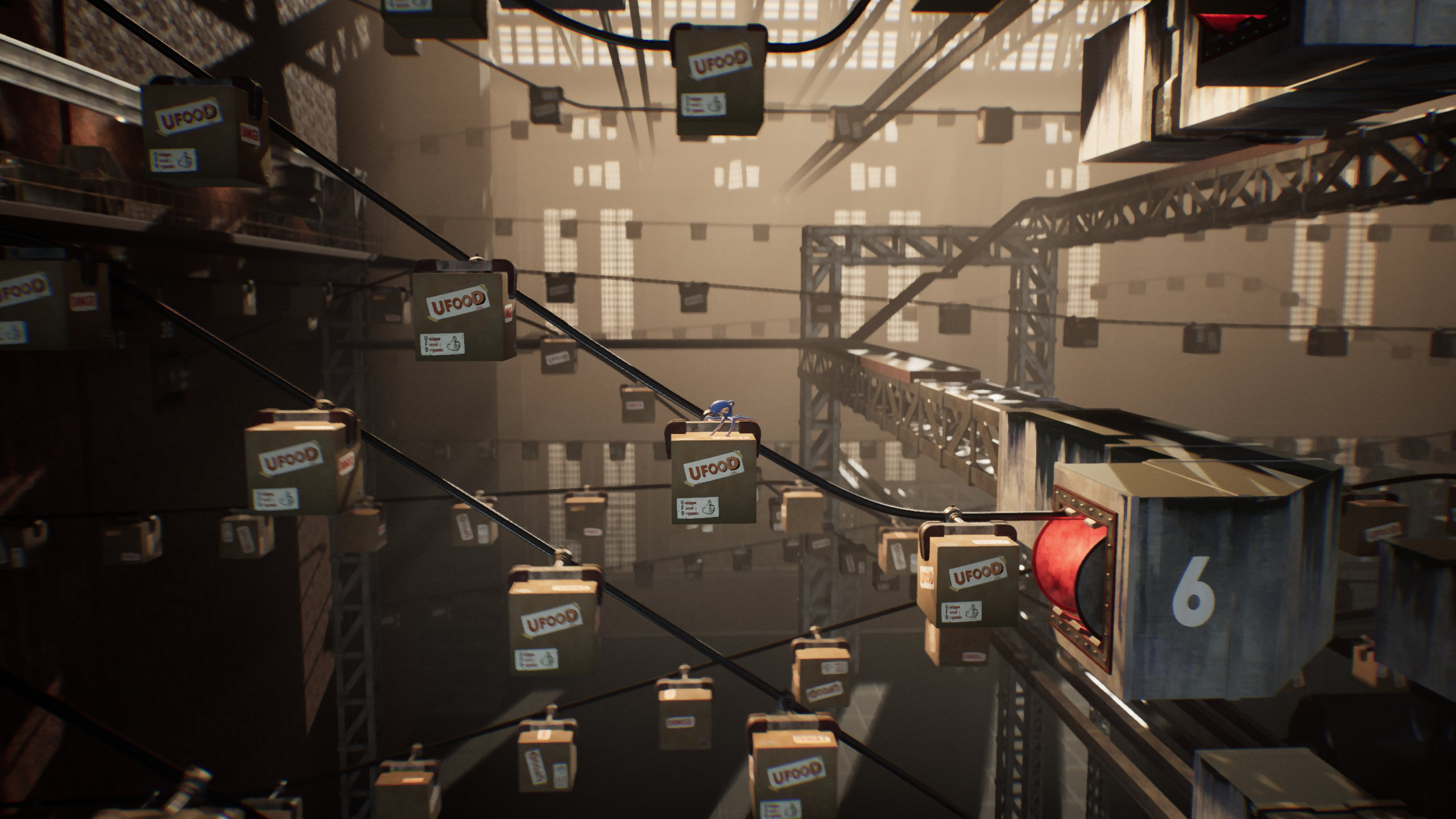
If you know your cinematic platformers, you would know what to expect. But if not, the basic idea of these titles usually, is that it is a platformer game with the focus on basic mechanics of running and jumping, but with some additional interactions that “make sense”. In case of Darwin’s Paradox! you can push and pull things, but also climb different surfaces, swim, shoot ink and camouflage yourself to become practically invisible. Not all of the abilities and interactions are available at all time, and some additional context sensitive ones become available from time to time, so usually you’re just running and jumping to the left or to the right to reach the next specific goal. As far as variety and different unexpected situations go, Darwin’s Paradox! does have a lot and it understands the need to switch things up regularly well, so in theory you shouldn’t get bored as the events keep the momentum going.
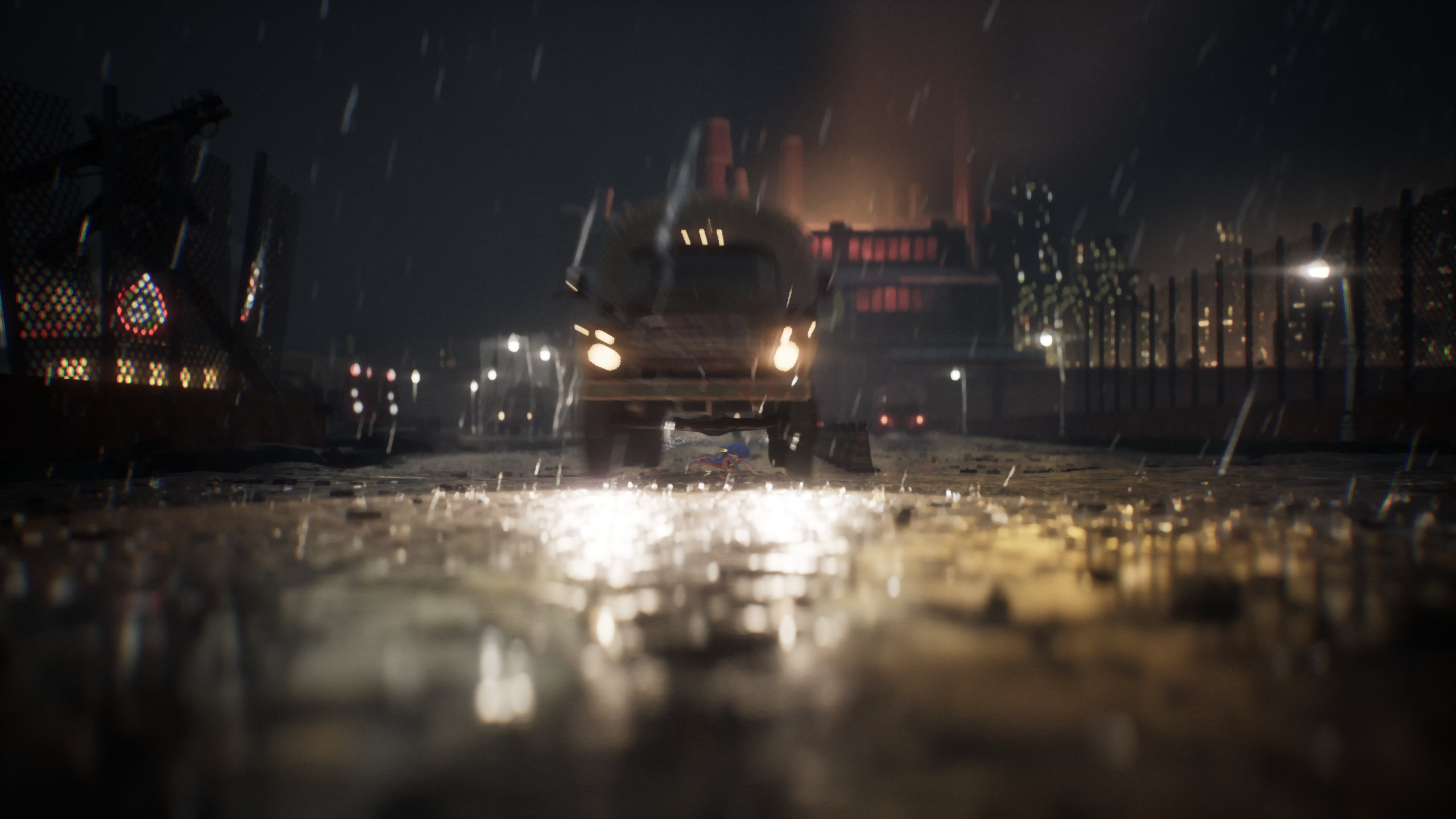
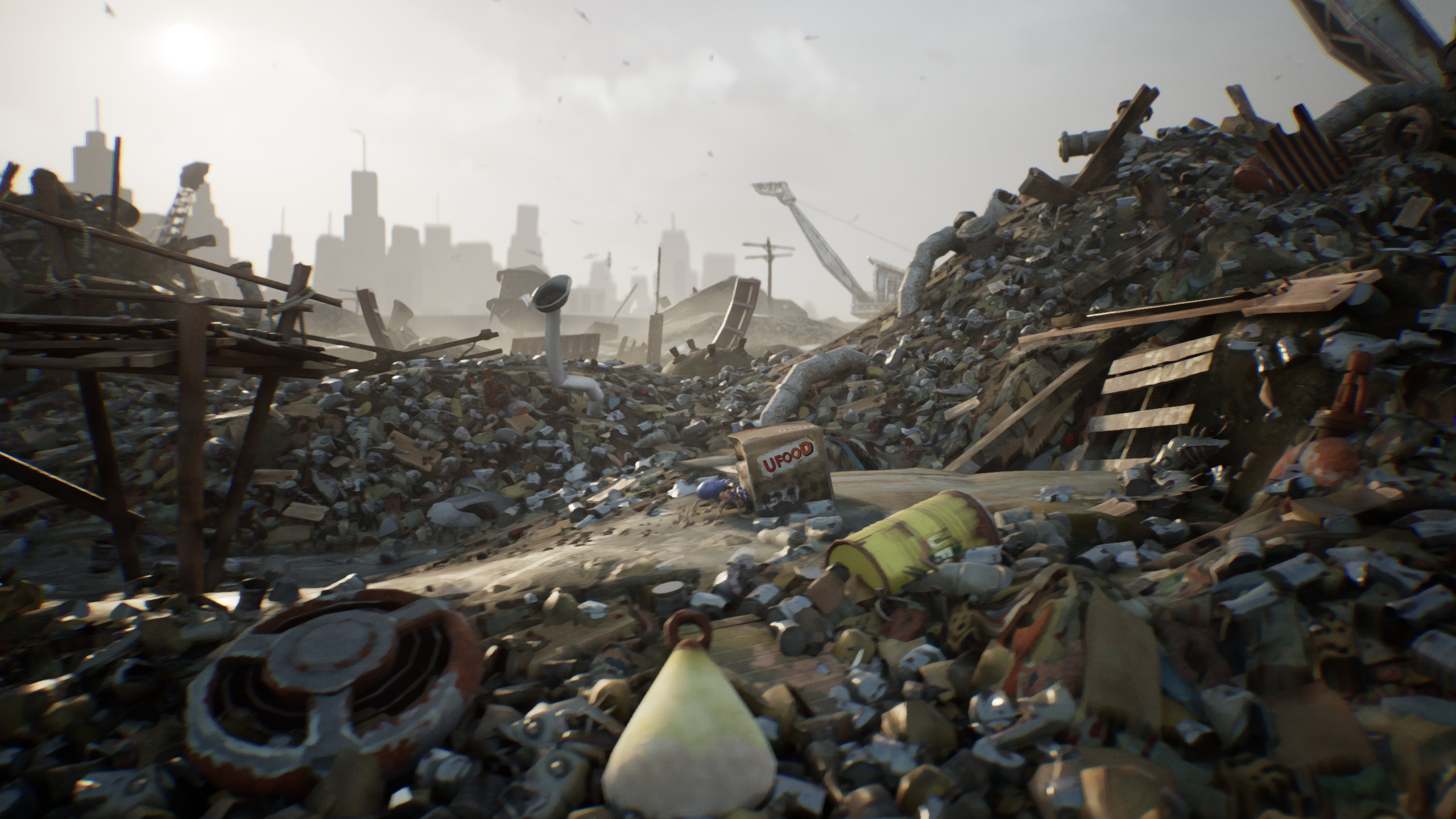
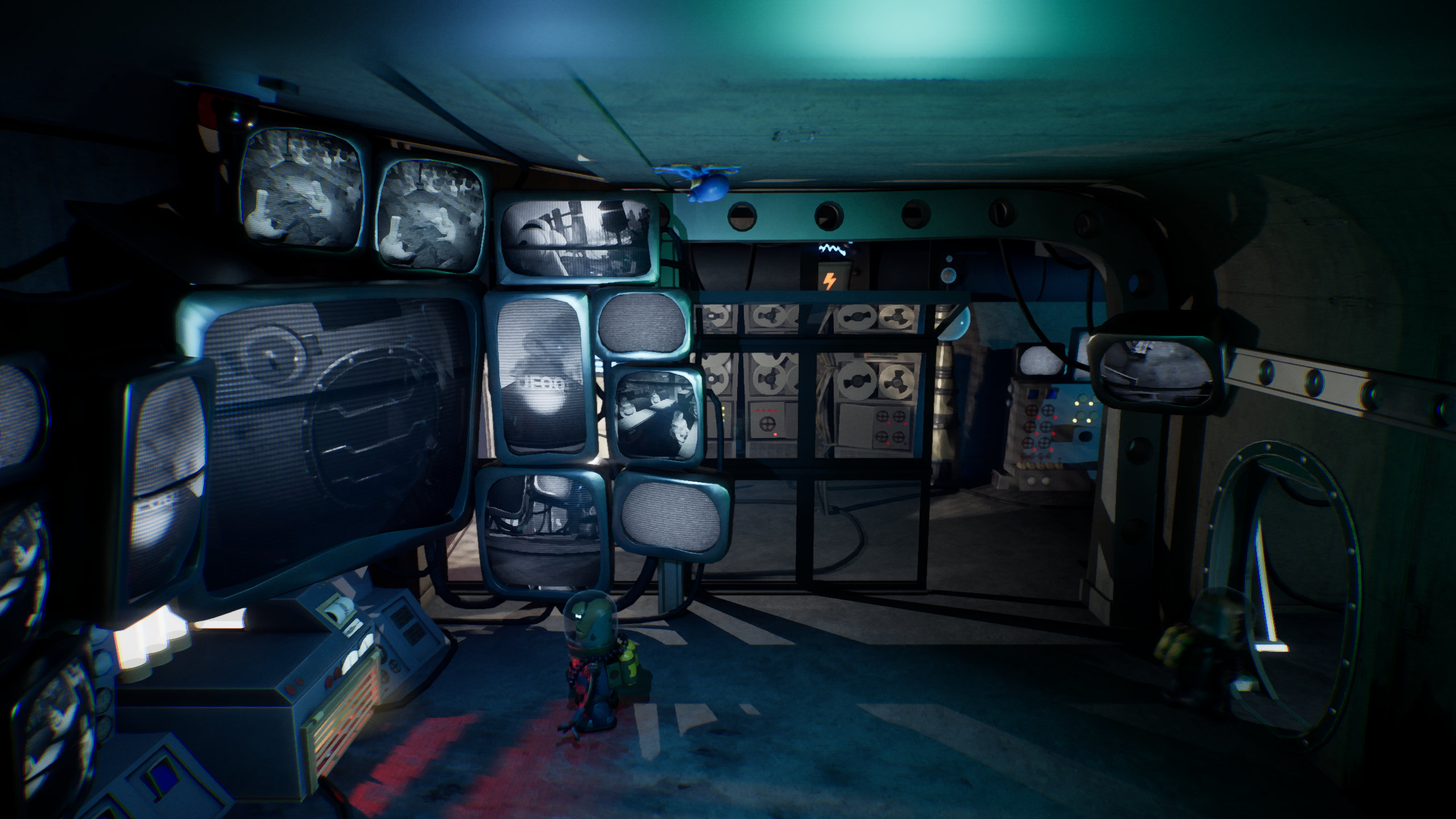
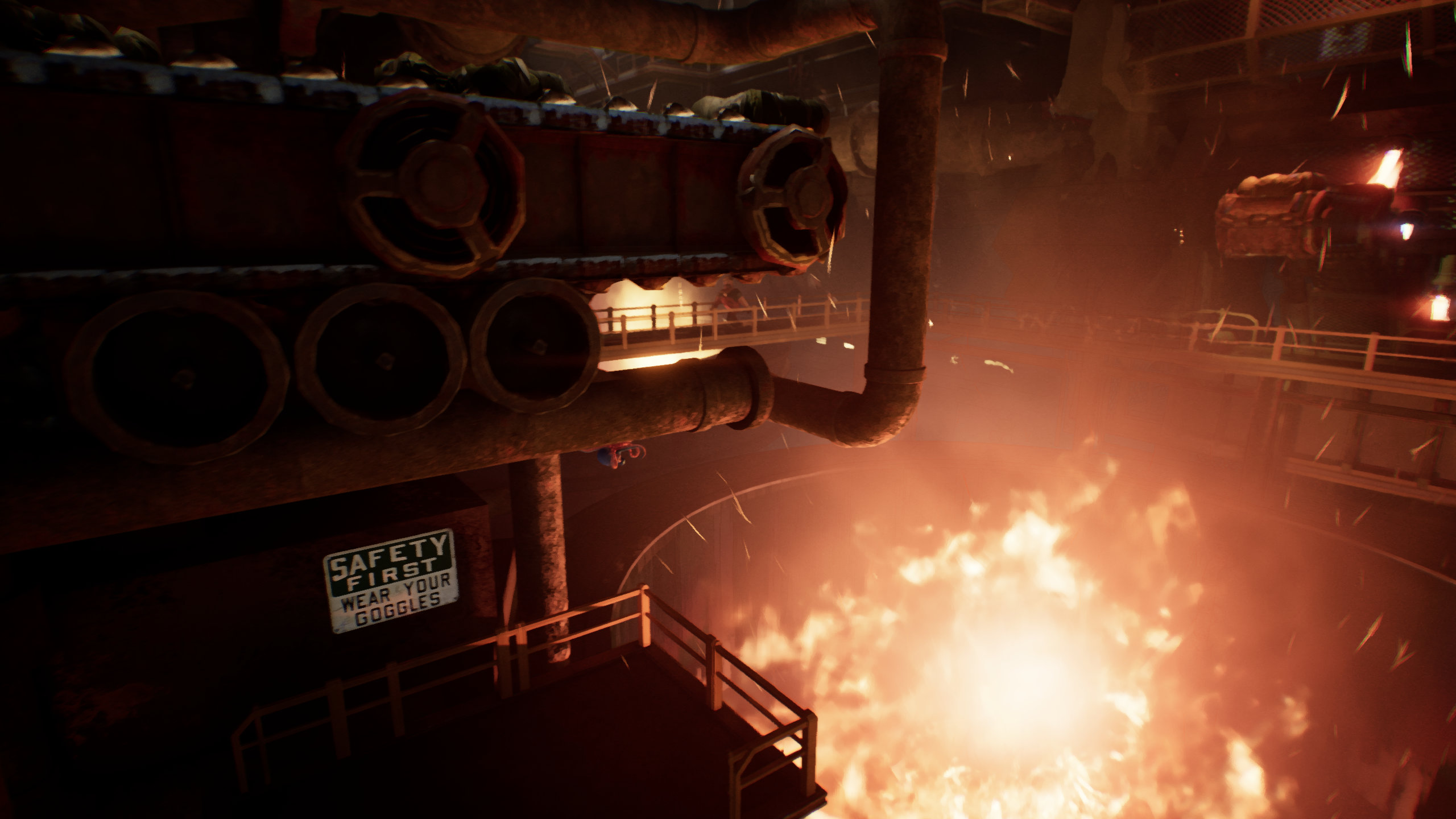
In reality, this is true for the first hour and a half of the game, maybe two at most. Out of slightly below four it took me to finish the game. Because, oddly enough, none of the base systems and mechanics in the game are solid enough to be fun on their own, so when the developers try to ramp things up and push the demands from the players to the limits of what the controls allow, the game quickly falls apart. Moving around and jumping is always messy and not quite precise enough for some of the later game moments. The presentation commits the worst crime for such a game and often overloads the player with many layers of moving things, without clearly defining what is background non-interactive elements and what is foreground stuff you’re supposed to work with. Many later area locations don’t even provide a clear direction or goal and you have to guess what’s happening just based on not being where you were before. And some sections and general ideas simply don’t work – two big chase sequences in the game are just pure nonsense, for example, not helped by the fact that moving fast in those sections requires constant button mashing, instead of something more interesting and nuanced. Also even if you boost the brightness a bit, in a few sections the obstacles (that instantly kill you) completely blend with the background and you won’t know they are there until you die.
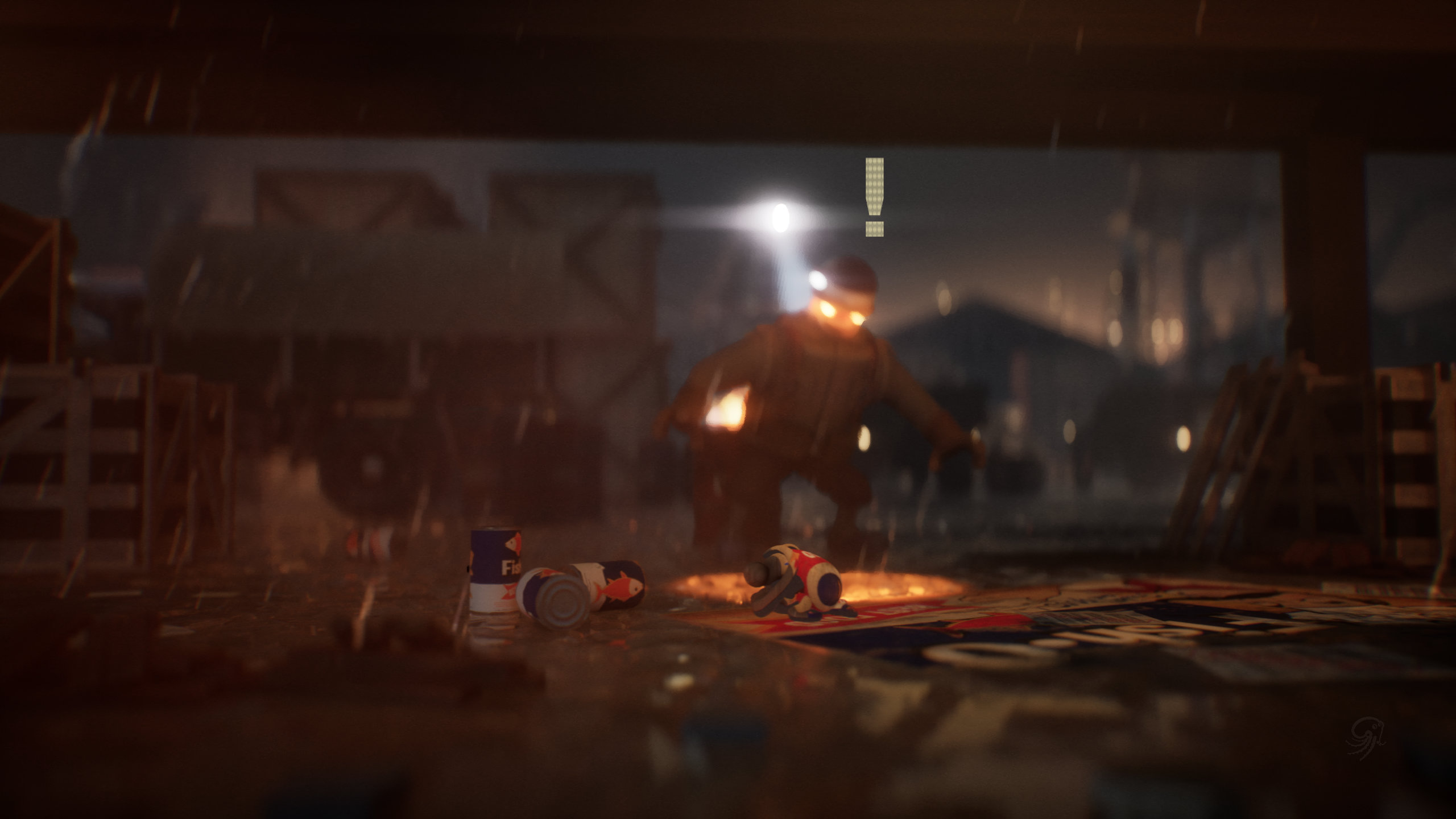
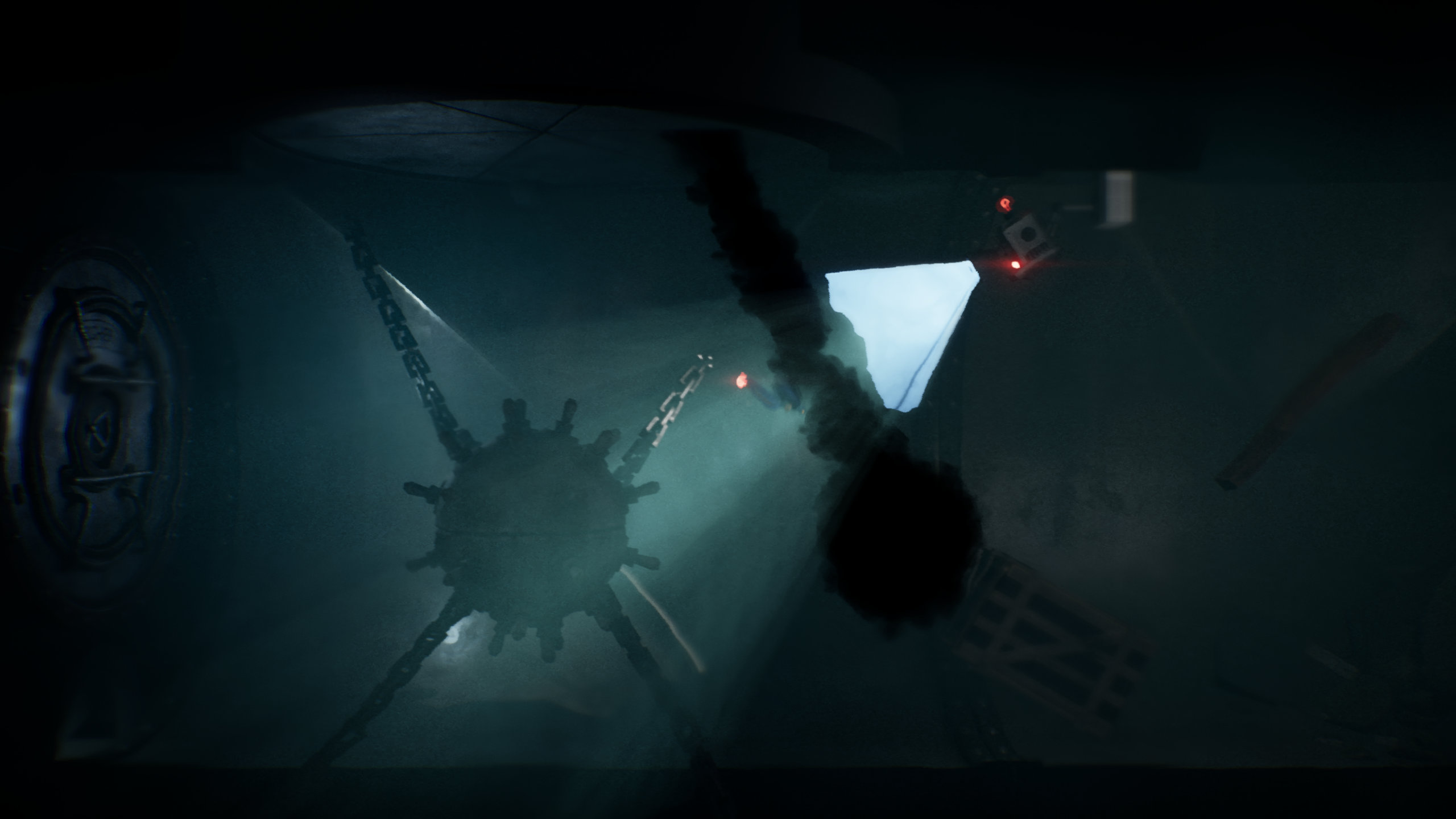
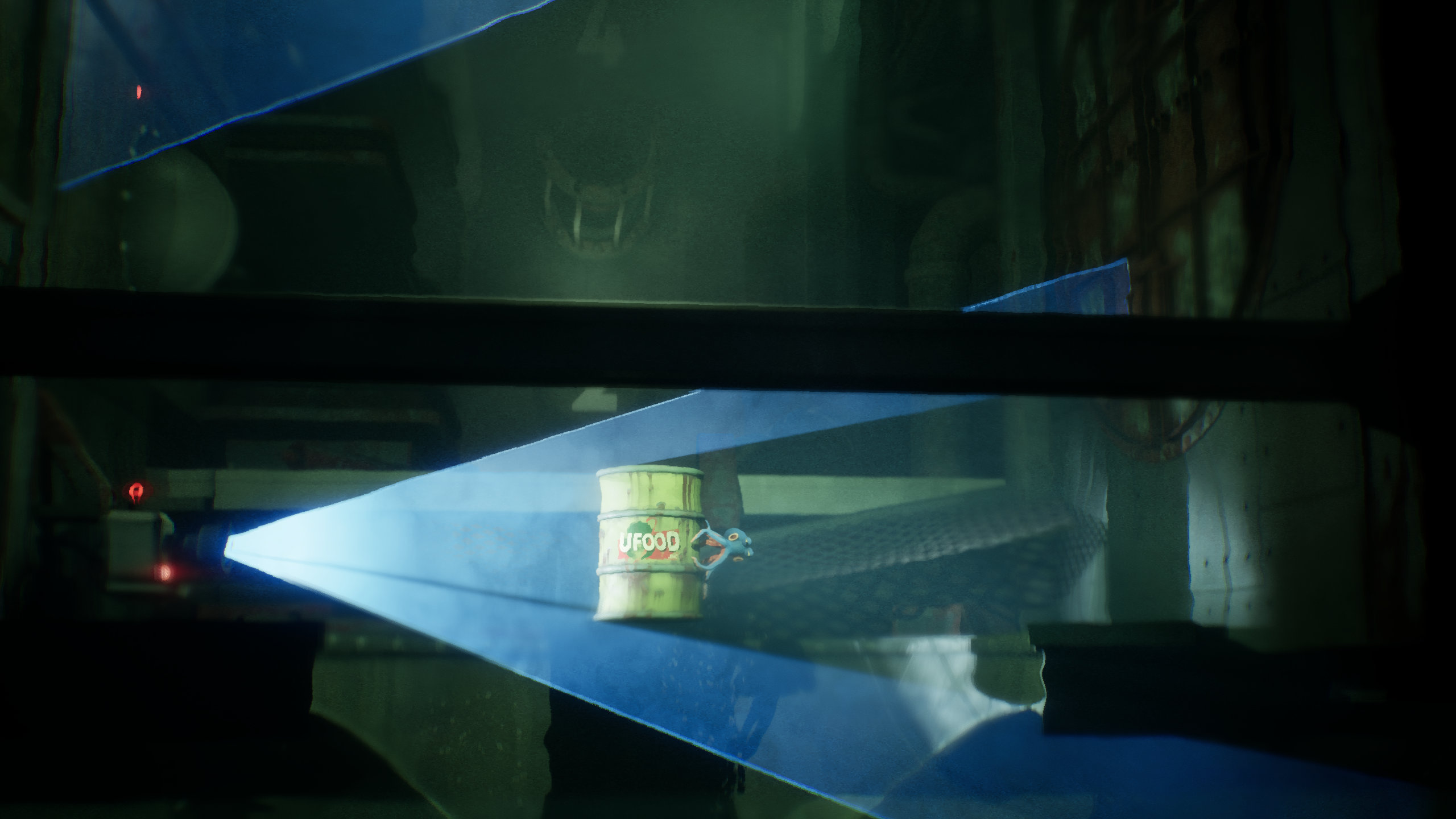
And that’s the big thing with this genre in general – cinematic platformers are usually designed in such a way, where it is expected for you to die and restart until you perform some death defying feat perfectly. Better games subtly lead players towards understanding what it is they have to do, so they have a chance to do most, if not all, things at the first attempt. It’s a very difficult thing to do, game design-wise, but that’s what separates good examples of cinematic platformers from the bad. And Darwin’s Paradox! is, sadly, leaning into the bad, because a lot of its “you will die here” sections are just pure bs. And even sections where you’re not expected to die, at least I would assume so by the lack of nearby checkpoints, you might get stuck or die because the game is simply not giving you the information you need. Like a subtle camera movement framing the passage below, where instead in this game you just see black borders everywhere and might not know that the way below is not a wall, in fact, but a passage. There’s so much of it in Darwin’s Paradox!, it is genuinely surprising, because you can see the amount of love an care put into many other elements of the game.
Then again, the game drags on (despite its relatively short length), and the whole last hour for me consisted of the areas where I immediately went “yeah, I get it, move on” before the section even begun, and then I had to force myself go through it as it went on and on. Only for entire game to just have a non-ending, because the developers clearly had no idea where to even go with this whole thing.
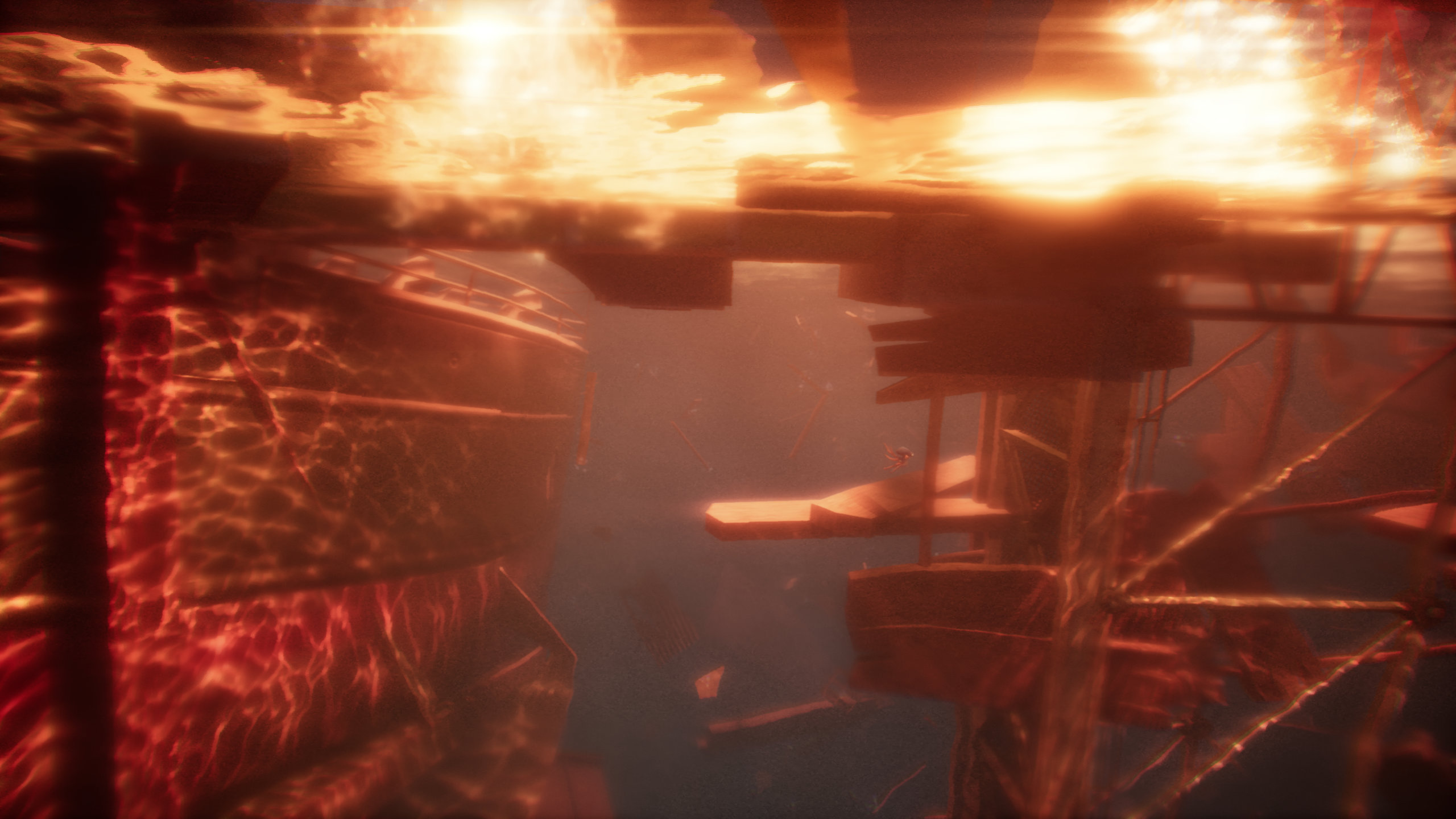
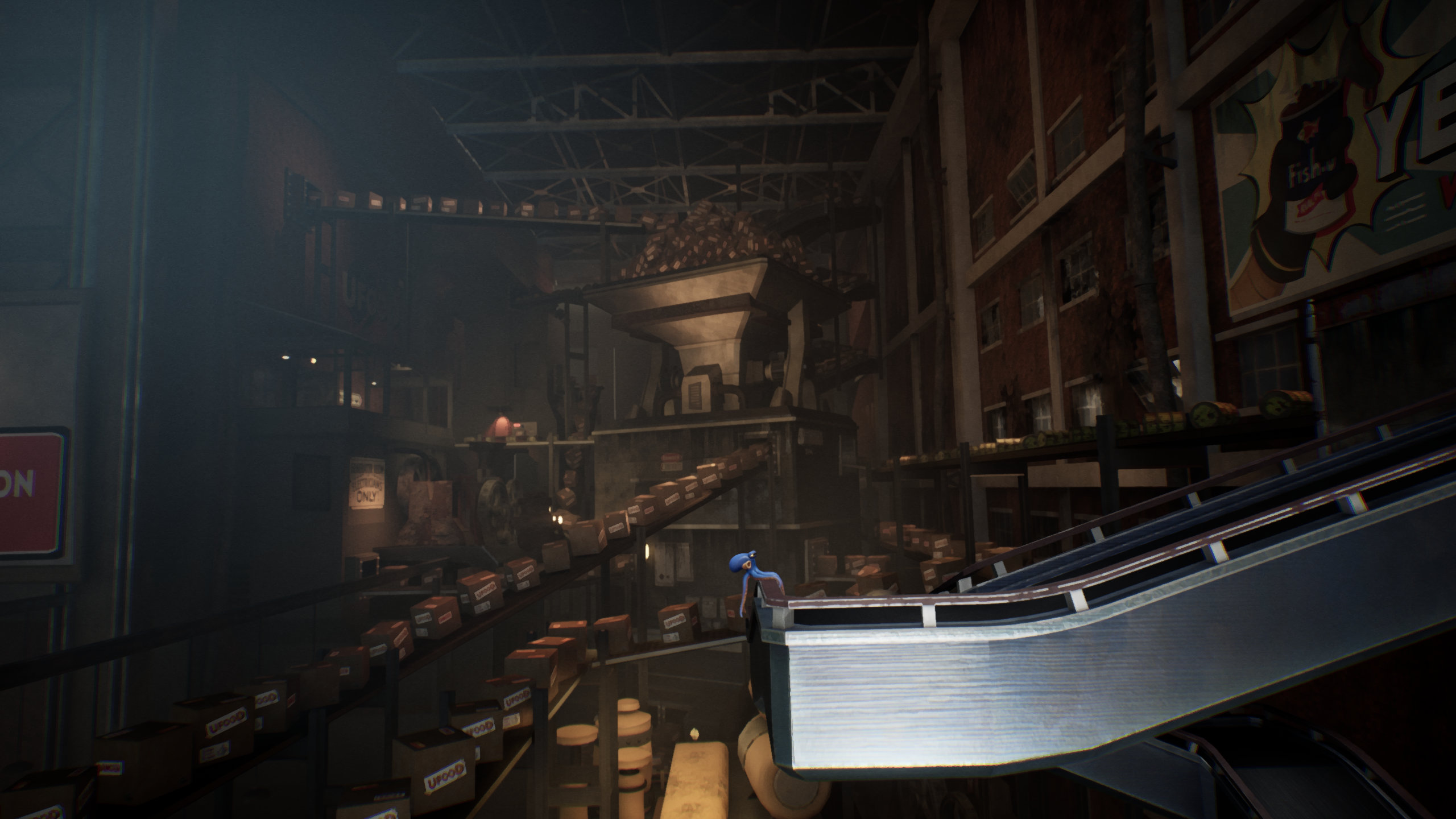
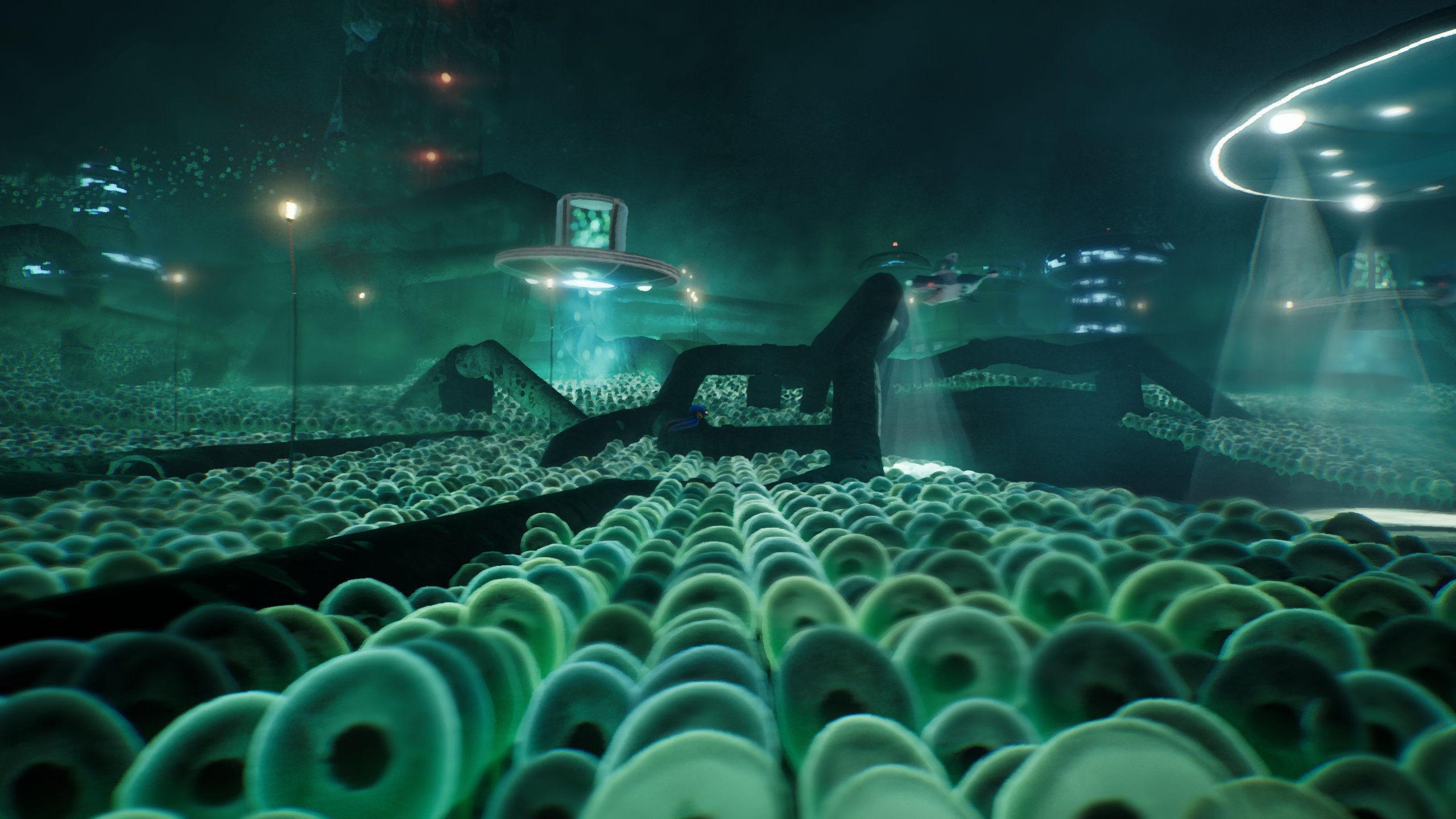
I didn’t expect the game to be among the greatest examples of the genre. But the demo and the first hours had such a huge promise. Of being a really really good game and an easy recommendation. But the game nosedives so hard, I cannot recommend it. I feel like it’s still worth checking out on a deep discount, but you have to set the expectations right – you might want to stop playing at a certain point and I won’t be able to blame you.
Spelling error report
The following text will be sent to our editors: