
Being the Legacy of Kain fan that I am, as I’ve covered in my review of Legacy of Kain: Soul Reaver 1&2 Remastered last year, I was extremely excited about Defiance. Ever since Soul Reaver 2 still didn’t finish the story started in Soul Reaver 1, people expected the inevitable Soul Reaver 3 (and Defiance was actually known by that name internally at the start). So when the Blood Omen 2 (which hasn’t been remastered yet) was released first, I was slightly confused, but also intrigued. After all, the events of the game contradicted the known timeline, and even the developers vaguely mentioned that something in Defiance would lead to Blood Omen 2 events existing. Then the early PS2 trailer for Defiance (as it was officially unveiled) hit with some cool nu-metal-ish song playing and I downloaded and rewatched that trailer a lot (the track is called “In the Crossfire”, by the way, as I’ve learnt years ago from the best LoK fan site). Playing as both Kain and Raziel in an epic conclusion to the storyline of Raziel (as it would probably be), was such an exciting prospect.
And then the game came out and… I liked it. But it was also weird. It did conclude Raziel’s story in a mostly satisfying way in broad strokes, it left a lot of questions unanswered. But far more importantly – the game felt even more unfinished than Soul Reaver 1, and that game ended with a “To be continued” screen. This feeling is not something that Legacy of Kain: Defiance Remastered can fix, but where it could, the remaster made the game a lot better.
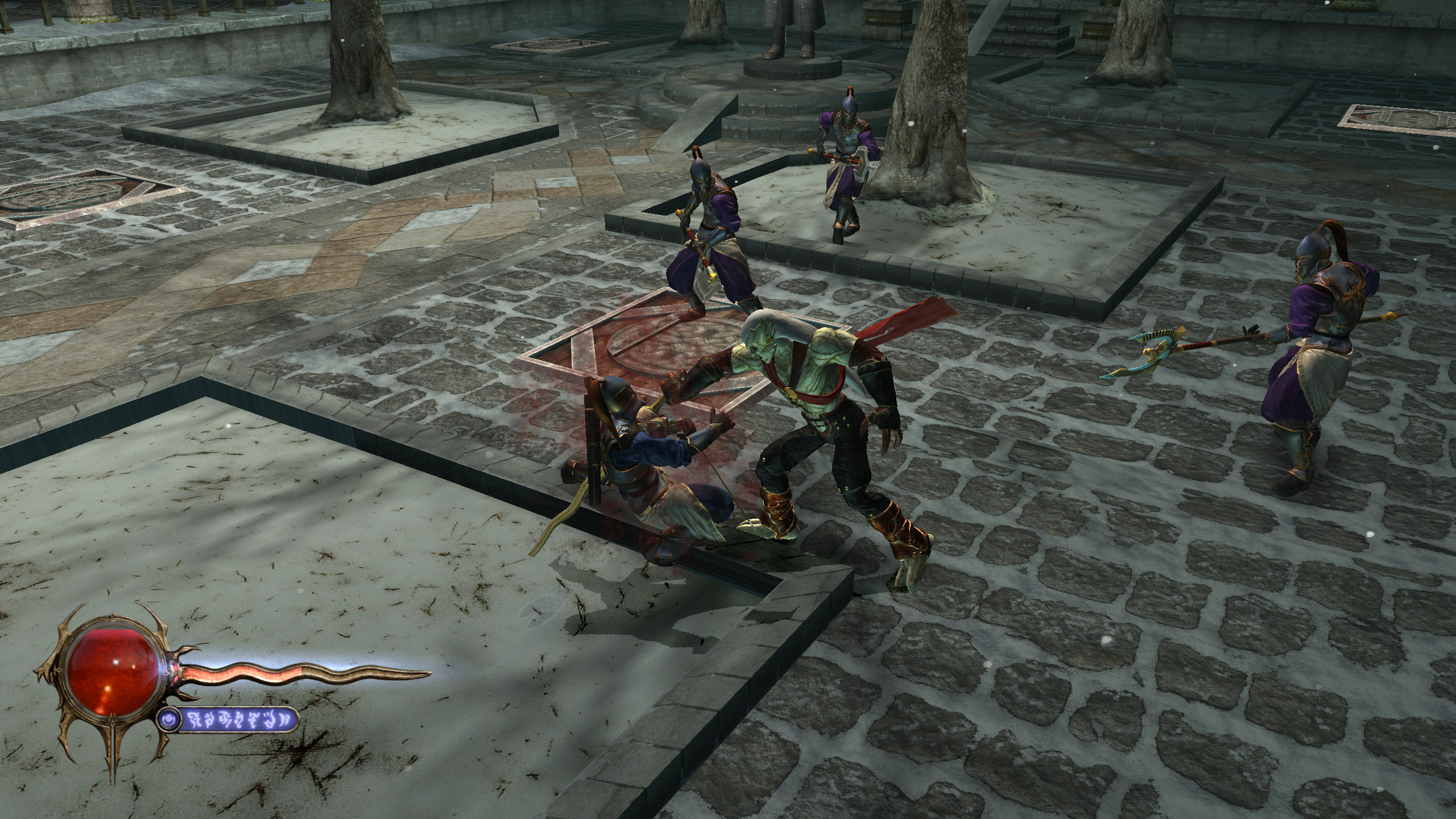
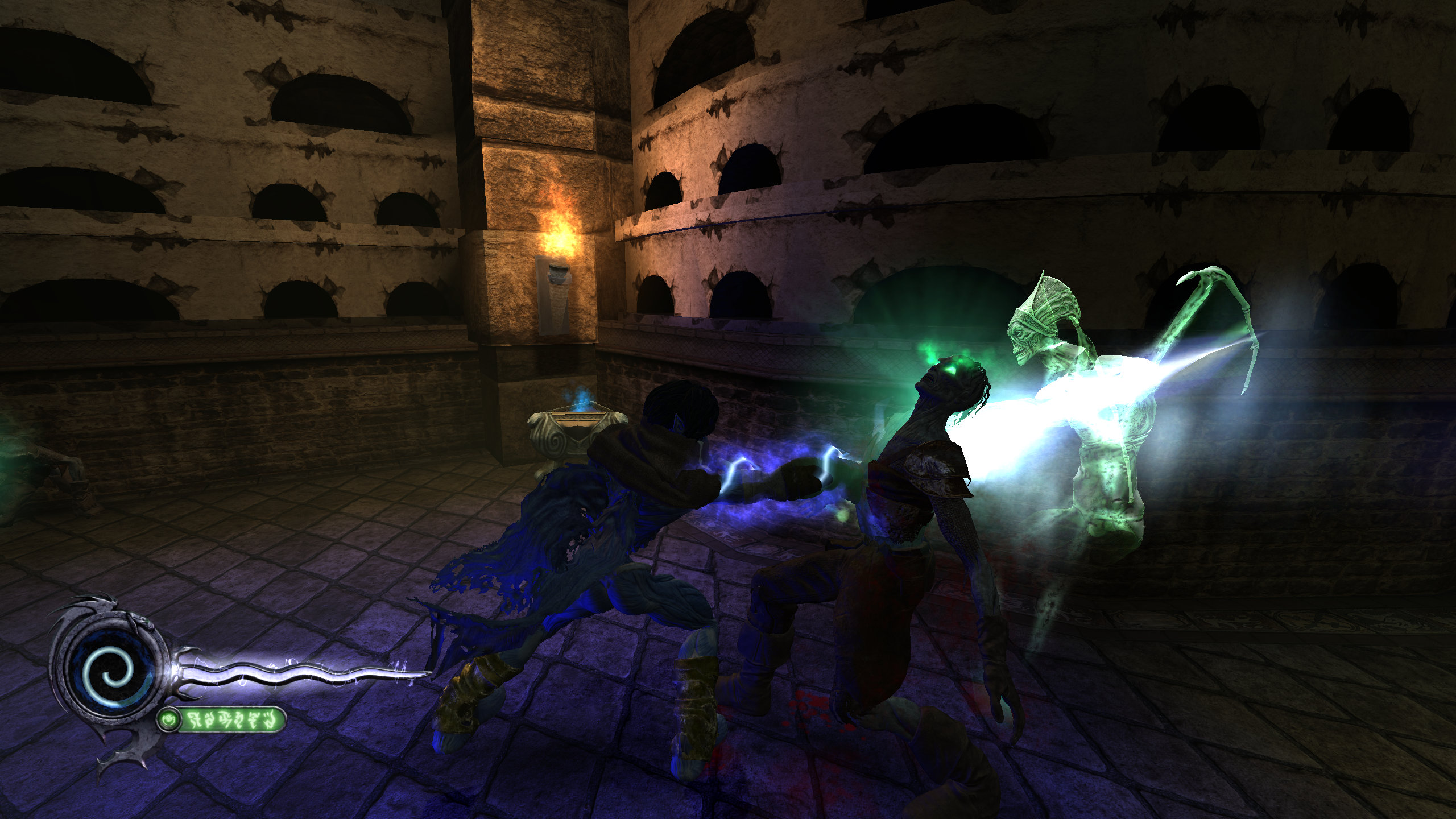
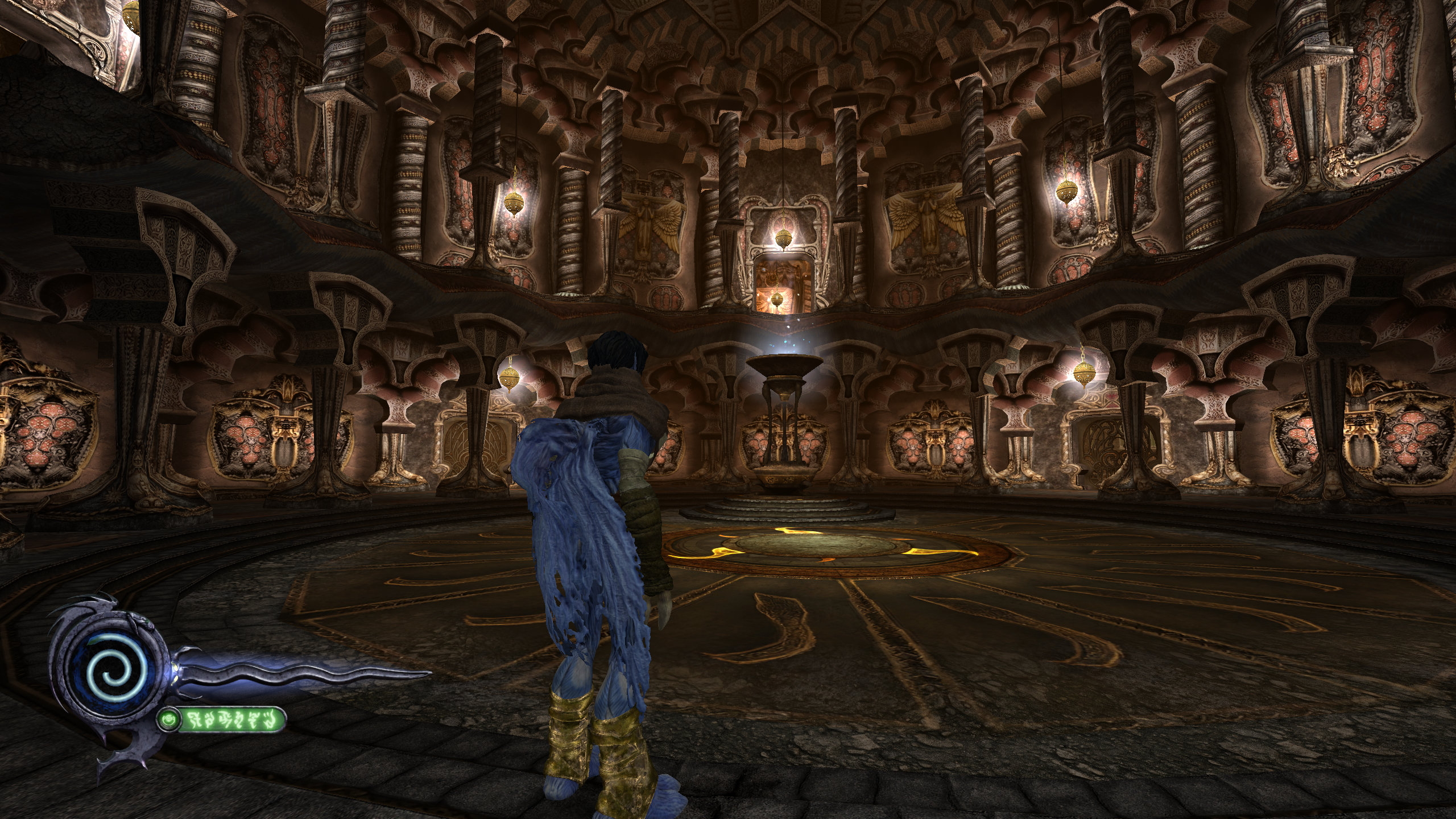
As every main other Legacy of Kain game, Defiance is an action adventure game with about equal focus on problem solving and exploration and on combat. Just like every entry after the original Blood Omen (and apart from the dreadful new Legacy of Kain: Ascendance that should be ignored), the game works in 3D and with clear influence of the Legend of Zelda games. That said, unlike the Soul Reaver titles or even Blood Omen 2, this influence is considerably lessened in Defiance and it seems like the main game used as a reference this time around was Devil May Cry. Now, it is an obvious reference point to take for a game in 2003 – DMC was a huge hit and birthed the whole “stylish hack and slash” subgenre. But at the same time, it is very interesting to consider that Legacy of Kain: Defiance was probably among the earlier western releases that were directly influenced by it. To the point where I always mistakenly remember nowadays that God of War was also an influence, because of the camera behavior and some of the combat ideas, but… No, God of War was 2005, Defiance was 2003, so it was GoW that might’ve learnt from Defiance and not the other way around.
But yes, the big shift in focus for Defiance was the combat. No previous title in the franchise had a combat system that was viewed as great, though many (myself included) really liked the way combat in the first Soul Reaver worked. It was mostly single enemy focused and had some jank, but all encounters in the game were designed around it, so it all worked out. But Defiance sought to really up the action levels and become the first entry with combat as a big drawing point. It didn’t succeed. While the combat is quite alright against most normal enemies and, as expected from DMC influence, you can and will hit many enemies and once, juggle them and throw them around, as soon as any bigger enemy type enters the combat, things just stall. Most bigger enemies cannot be disrupted by most attacks, while all of their attacks send you flying and losing control for several seconds. So as soon as they are involved, it’s just a lot of boring waiting for when you can hit an enemy and not get hit to lose a lot of time getting up.
Due to that, despite having so many cool mechanics that could potentially make combat more interesting, none of them matter. Sure, you can throw enemies around with telekinesis and it is fun, but not the big enemies. Sure, you can not just build the special magic meter on your Reaver blade (physical or wraith, depending on the character) but also then use it for a special attack, but for normal enemies it isn’t needed, and for bigger enemies having the charged Reaver is often better. Juggling big enemies doesn’t work either. And comboing is actually bad with them too, even though the game has like 3 combos total, because as soon as you are on your last third hit of the combo, you’re locked in the animation and cannot dodge out of the way of the attack that will send you flying across the level. So it’s safer to do boring hit and run attacks. For how poor the combat was in Soul Reaver 2, at least it was consistently poor. Where in Defiance when you fight most normal enemies it’s a primitive but fun button masher, but as soon as any big enemies show up, it’s just tedium.
Luckily, exploration, platforming and problem/puzzle solving are back and are quite nice when you get to engage with them. But at the same time, they are far less involved and interesting than even the elemental forges in Soul Reaver 2. Also, most people might not even realize that you can backtrack to earlier locations, despite the game being mostly linear this time around. So it is actually considerably more open than Soul Reaver 2 was, just a far cry from the fun free exploration of Blood Omen and Soul Reaver. Also, originally these aspects were somewhat marred by the camera. Combat also was, but to a lesser extent, I would say. But platforming and exploration were often very confusing and much harder than they would otherwise be because the game stuck to cinematic fixed camera positions, instead of the free camera controls of the previous titles. On one hand, this did allow the developers to frame some locations in a wonderful way that helped the mood and the exploration, as this approach usually does. On the other – Crystal Dynamics didn’t understand how to make these cameras well, so far more often it led to annoying player mistakes and confusion. You could easily miss a jump because of the camera or have it turn so suddenly that you would get completely turned around.
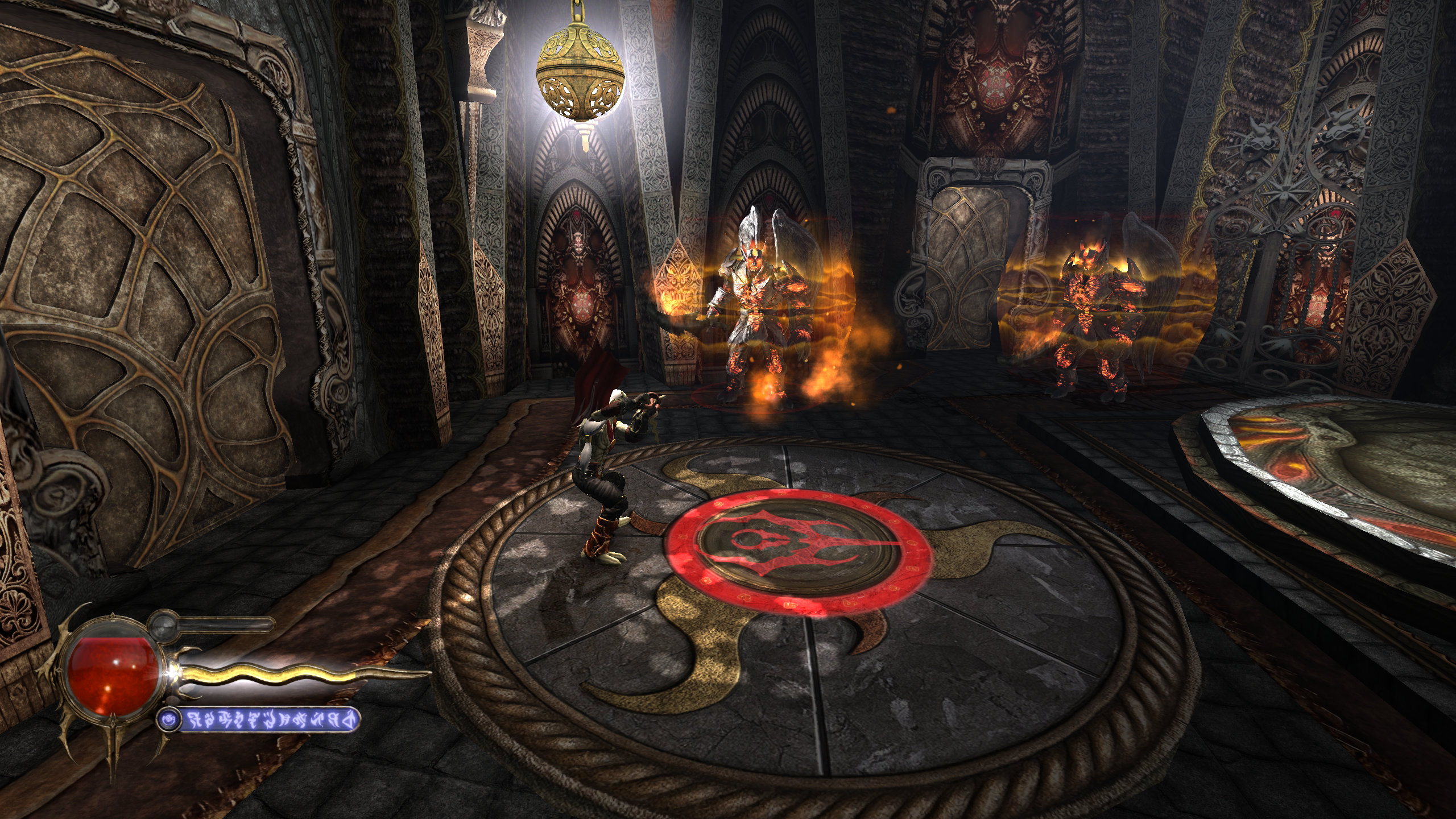
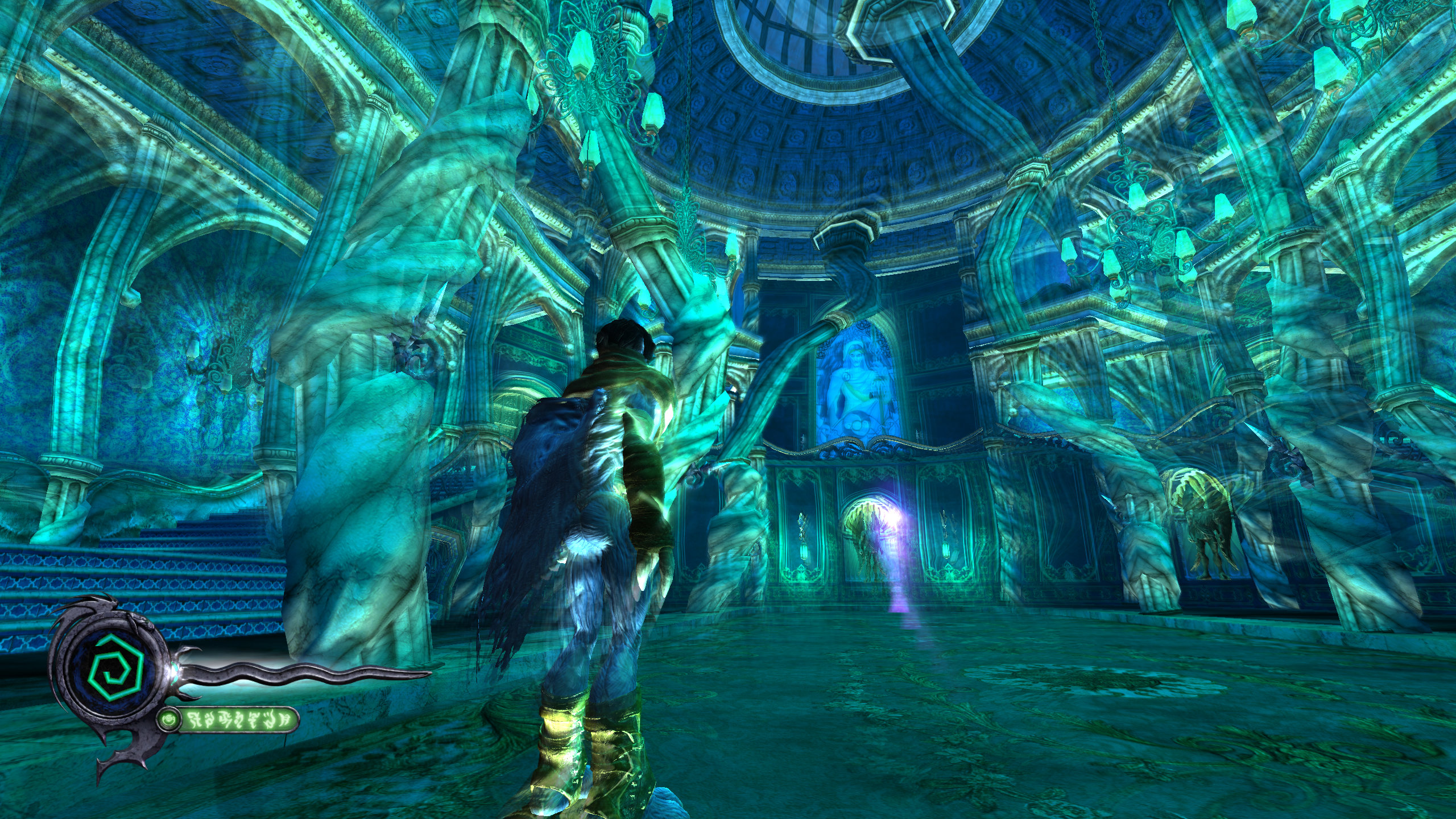
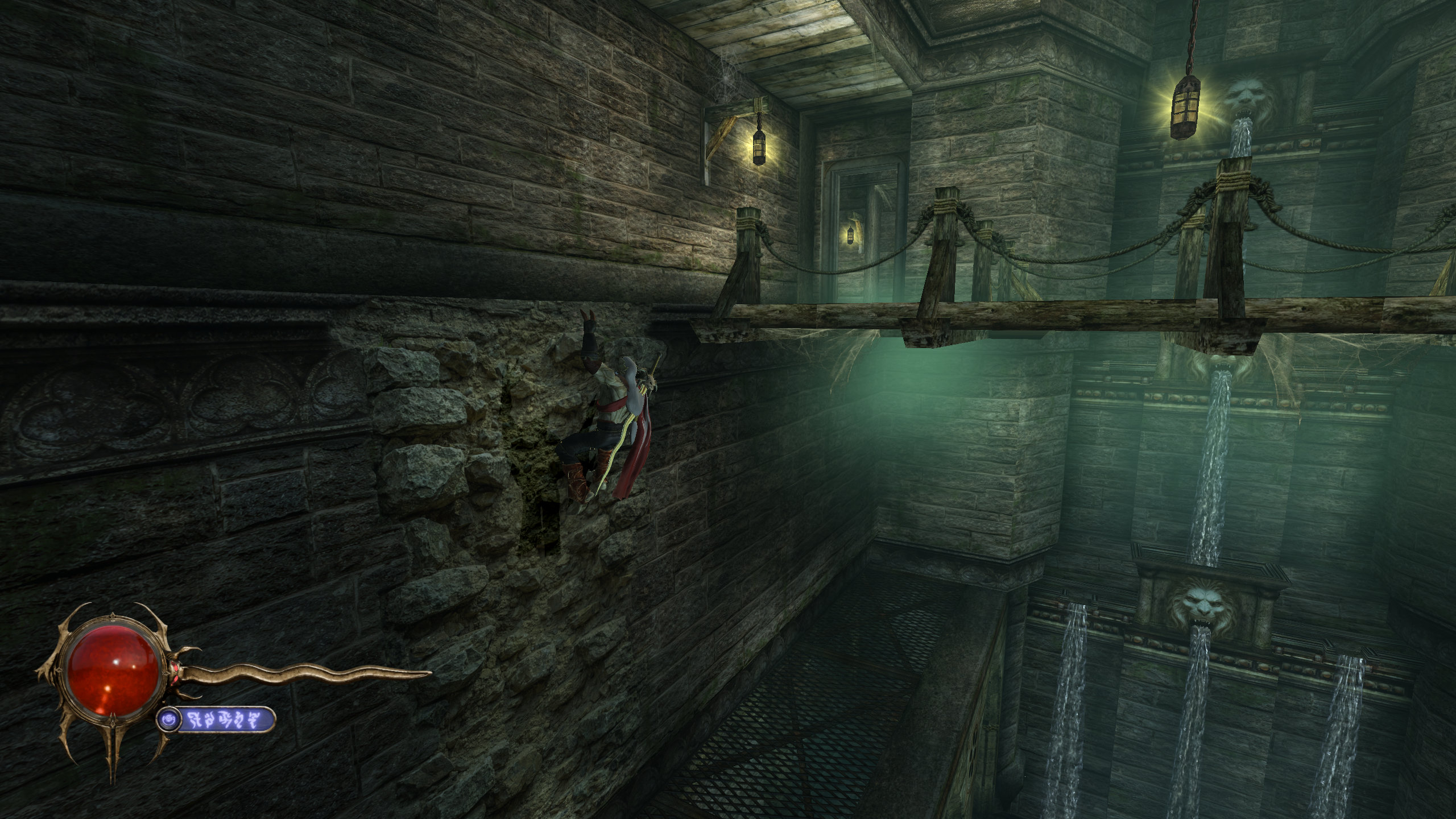
The camera is one huge thing Remastered improves. As an option, as a good remaster should do. You can still stick to the original camera and, in fact, with the switch between cameras is even bound to a button. But I would recommend sticking with the new freely adjustable camera instead because for most of the game it is much better. Only for some sections, if you feel like you’re having a hard time judging where to go next, press the button to switch to classic camera and that perspective will, most likely, provide the answer. Being a strong lover of fixed camera angles in games (when they’re done right) I even started with a strong consideration of sticking to the classic view, but very quickly realized that it’s just much worse. Some of the most problematic platforming sections that I very clearly remembered from my original playthrough, were not a problem at all with the new camera. And just to test my memory I then attempted those again with the fixed camera angle and promptly failed several times. Remastered really feels a lot better to play even purely from this change to the camera.
But that’s not the only thing that it improves. The visuals are nicer. Clearly upscaled for the most part, but in a way that does feel better. The menus and interface seem nicer. New additions like skins and separate lore documents are great. There’s a lot of incredible behind the scenes elements that were never publicly release until now, including the early cut levels, which is an amazing experience to play, for how basic those levels are. And with the DLC (and it sucks that this is a DLC) you can even play Legacy of Kain: The Dark Prophecy, the sections that were probably used as a vertical slice by Ritual Entertainment before the game was cancelled. The game even restored the realtime intro of the game, as in all previous versions it was fully pre-rendered. Now it switches between the pre-render and the realtime visuals, though with a visible and awkward cut (which is why, probably, it was a pre-render in the old releases). But it does look much nicer in real time, because it is using the in-game assets.
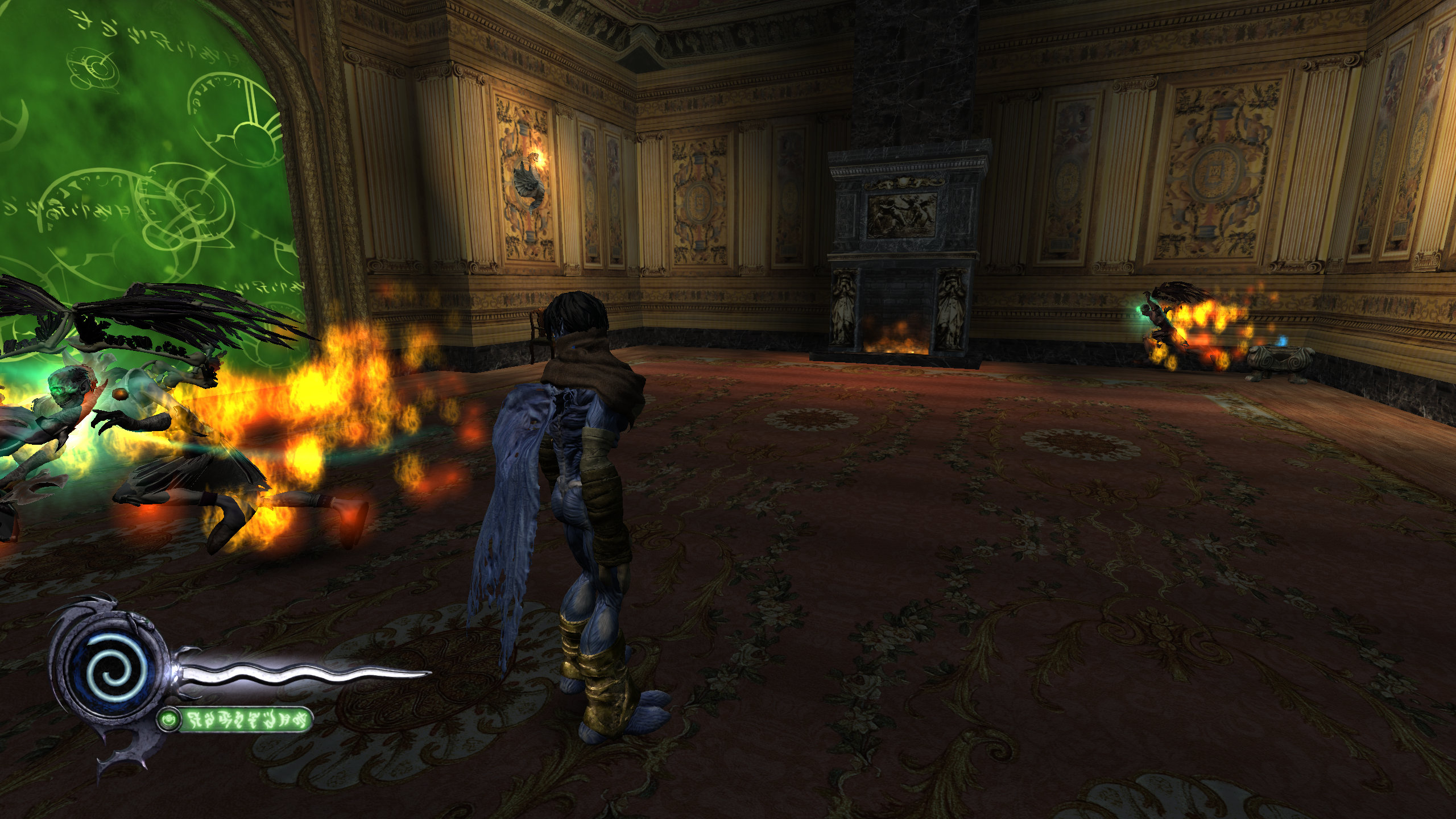
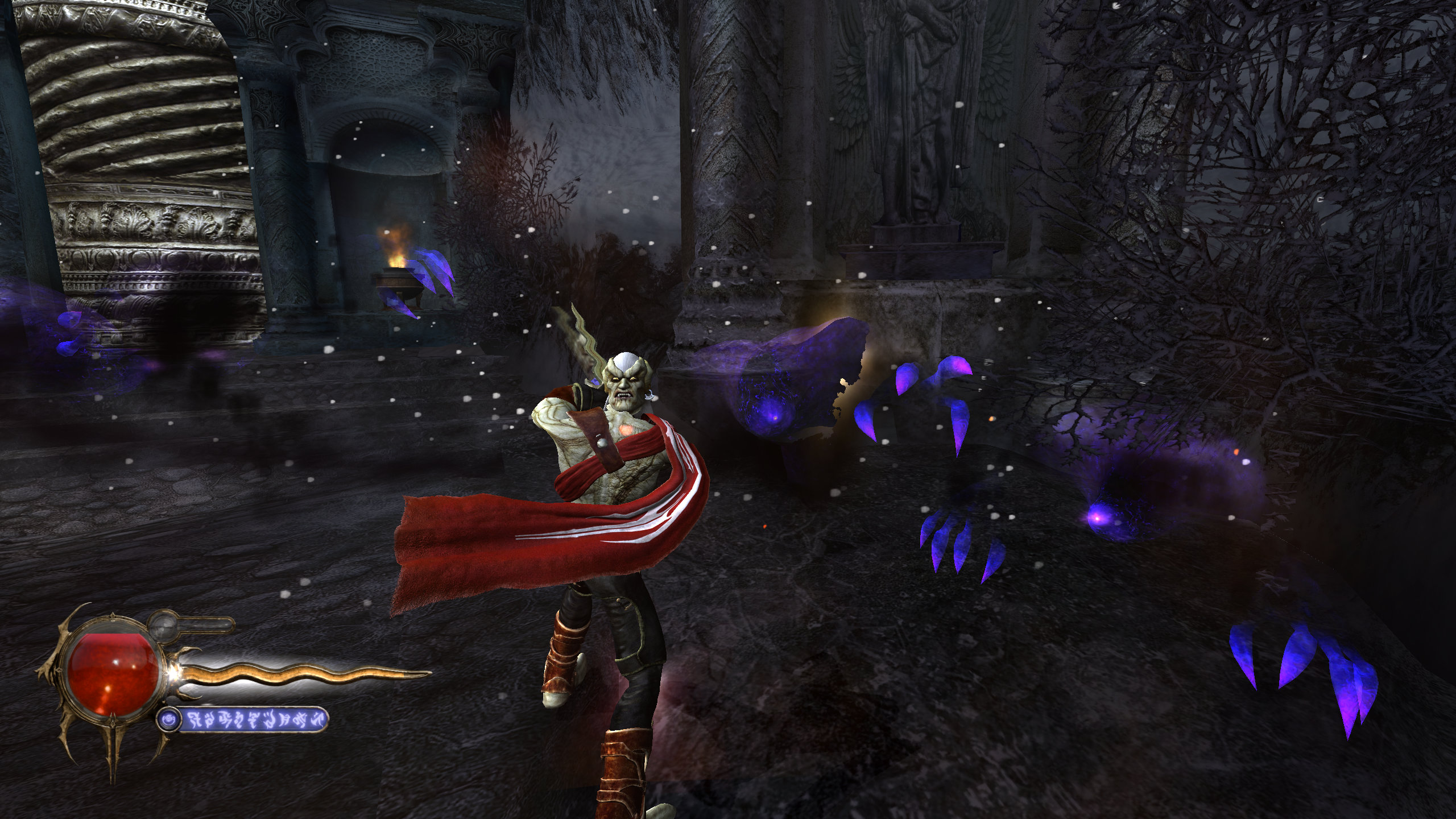
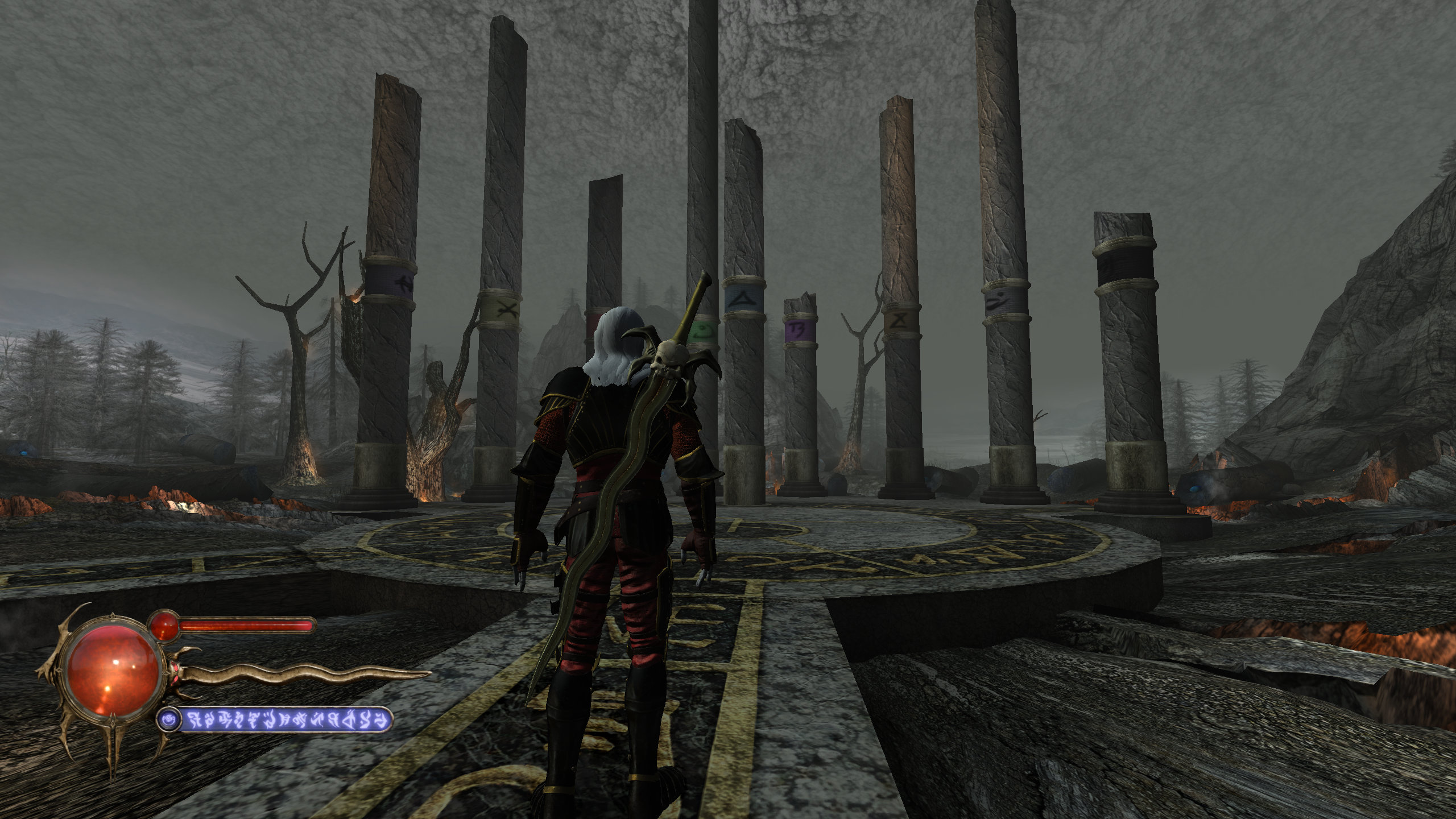
Yet, as mentioned, it cannot fully fix the fact that Defiance feels like it is a severely cut down version of what it was meant to be… Because it is. It’s very strange to be revisiting locations from previous games that look and feel nothing like they used to be and gratifying to learn that originally it wasn’t planned to be like this and locations were meant to look far closer to how we saw them before. Redoing the elemental forges, except in this new boring format is not great and again – learning that originally the game was supposed to continue from Soul Reaver 2 instead of resetting things makes so much more sense. Even the aforementioned explanation of Blood Omen 2 events – that was never fully developed in the end and you only get a part of it.
But it still is a well told story with wonderful voice acting. Still a fun action adventure game and playing it in practice is less boring than Soul Reaver 2 (even if SR2 has far more interesting idea for the world structure and locations). And while it doesn’t properly end the storyline started in Soul Reaver 1, it does conclude most of it and makes way for a proper finale… That never came. Defiance remained the final story-driven entry in the series until 23 years later when the crap titled Legacy of Kain: Ascendance somehow saw the light of day, but it should be ignored so… There is no other LoK game. Legacy of Kain: The Dark Prophecy was cancelled. Legacy of Kain: Dead Sun got cancelled and whatever remained of it turned into multiplayer-only Nosgoth that itself got cancelled. Obviously, because what a tone deaf idea that was. As is Ascendance for this year.
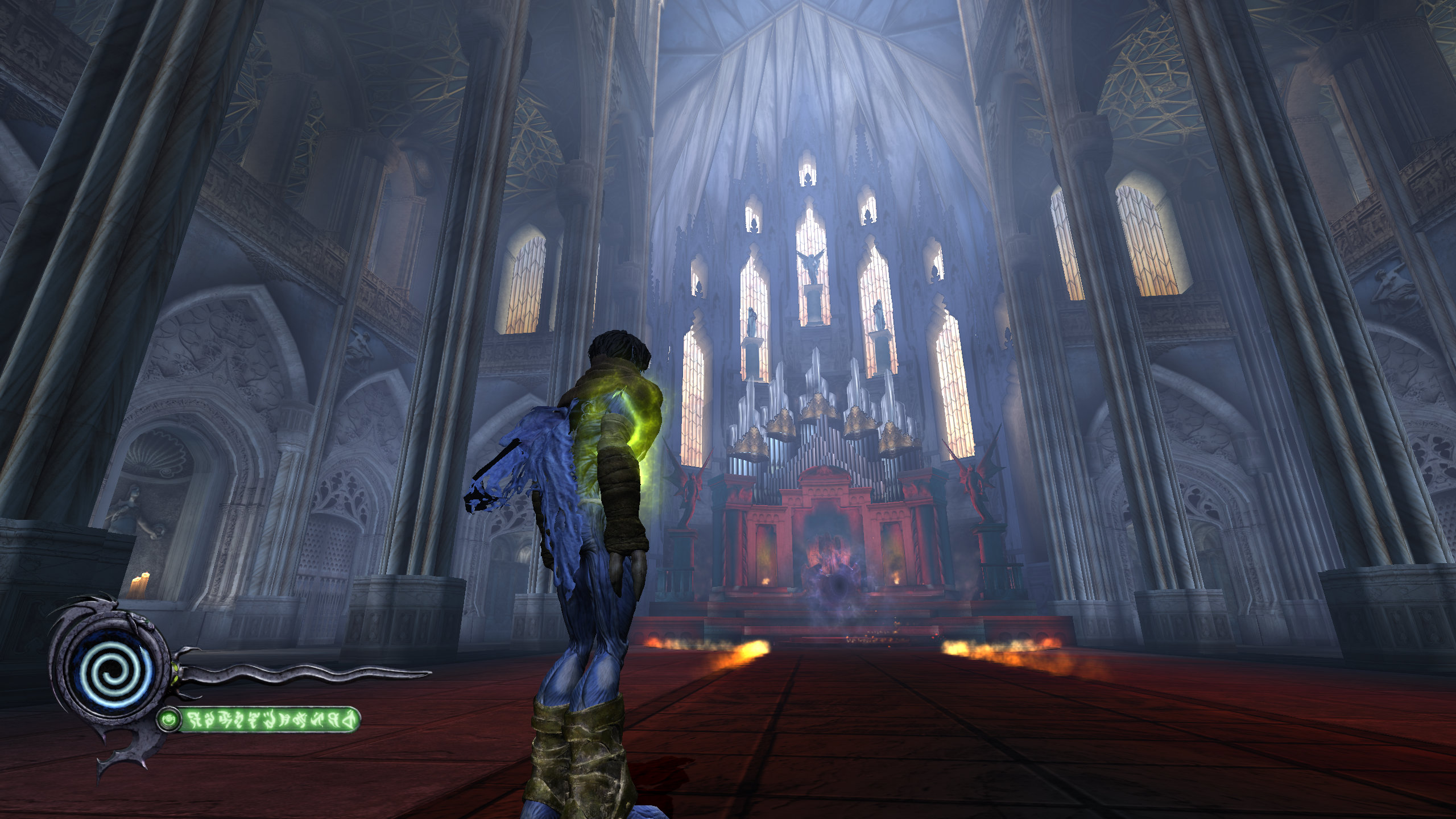
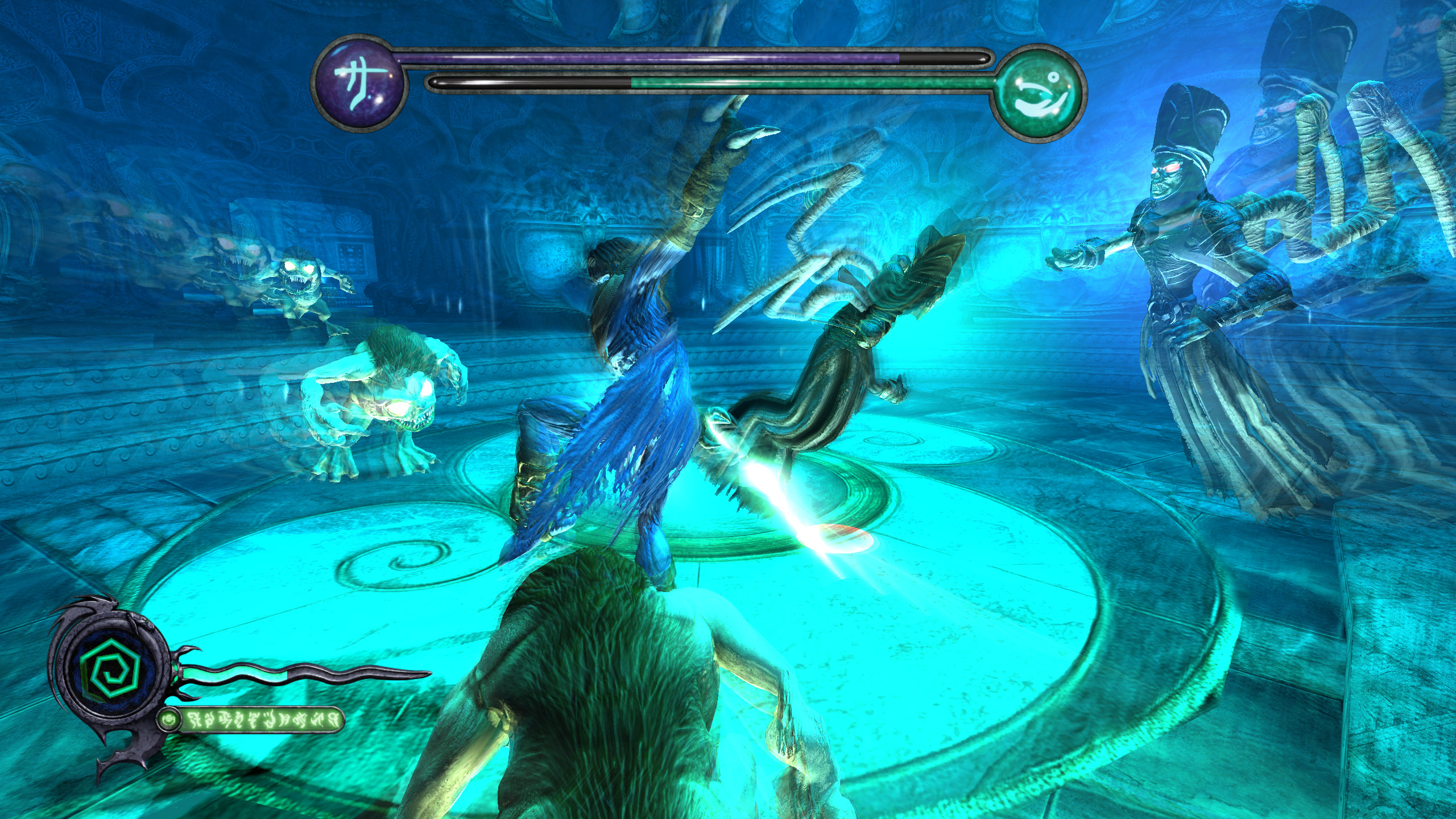
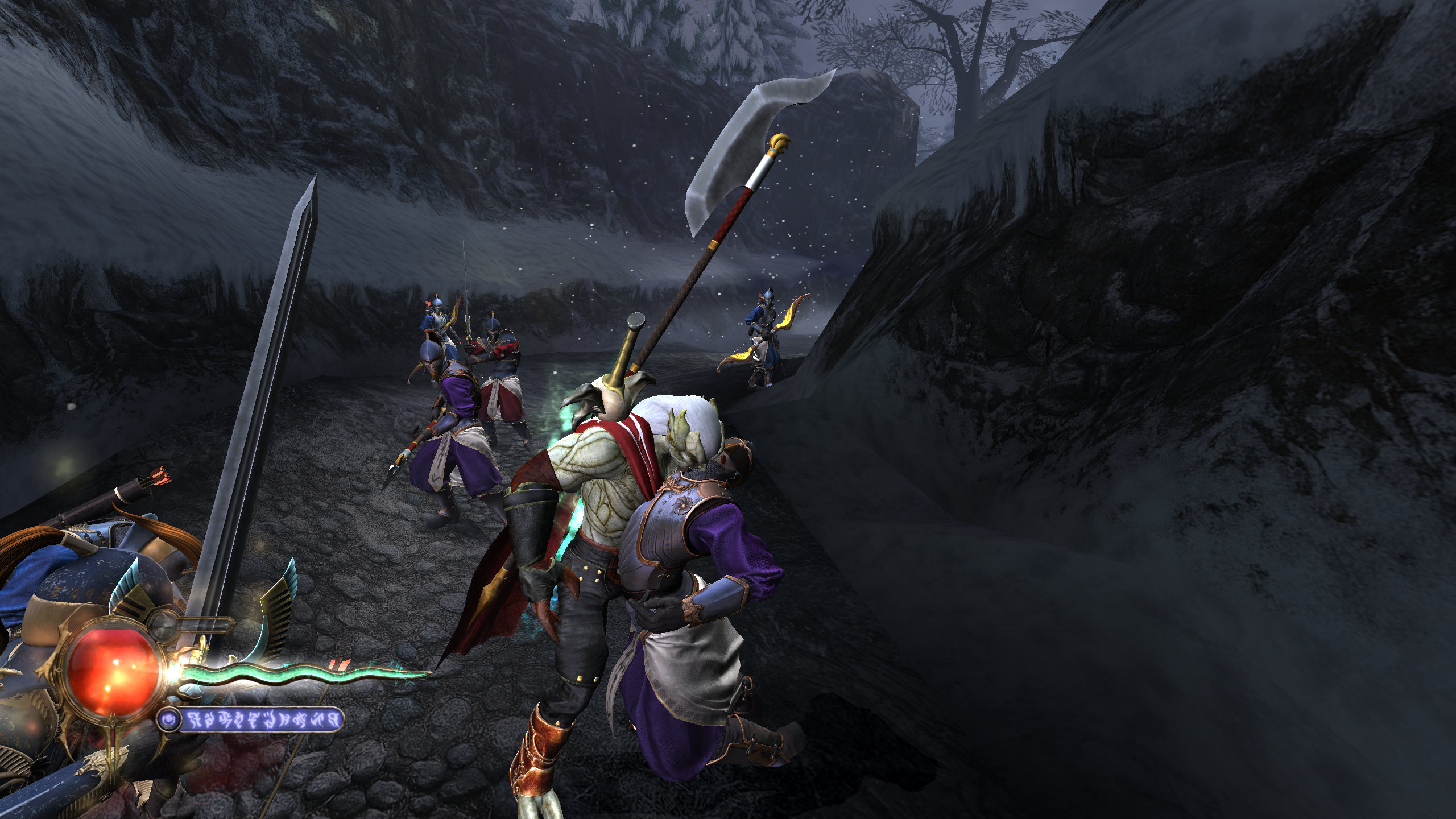
Despite the many issues, I really enjoyed playing Legacy of Kain: Defiance Remastered. I was slightly dreading to replay the game, if I’m honest, because I was afraid that revisiting it would reveal a lot more flaws in it. But instead I was really enjoying myself playing the game, when I wasn’t stunlocked by terribly designed enemies. And the improvements and updates done to Remastered most certainly made the game better. If you haven’t played Soul Reaver 1 and 2 there’s no reason for you to play Defiance before playing those first. And I do hope that Blood Omen titles get a remastering work that is as quality as this release (or even better), and aren’t thrown to Aspyr. But without those titles you could still enjoy Defiance, I would say. Just less than if you did play Blood Omen 1. If you have played this game before or a longtime fan of the franchise, but had some doubts about the remaster – go for it. It’s not flawless, but the weakest parts of the release are from the original game, the remastering job is really good.
Spelling error report
The following text will be sent to our editors: