Over the years I’ve grown extremely tired of open world games. It’s very rare that the prospect of playing one excites me, especially if the title is clearly inspired by the type of open world design that Ubisoft have popularized with their Assassin’s Creed titles. But I still find interesting titles from time to time and Ghost of Tsushima had a lot of positivity about it from people I tend to share opinions with. After ignoring the PC release of the game for over a year, I’ve decided to give it a shot and while the game still has a lot of faults, it did end up among the better examples of the genre.
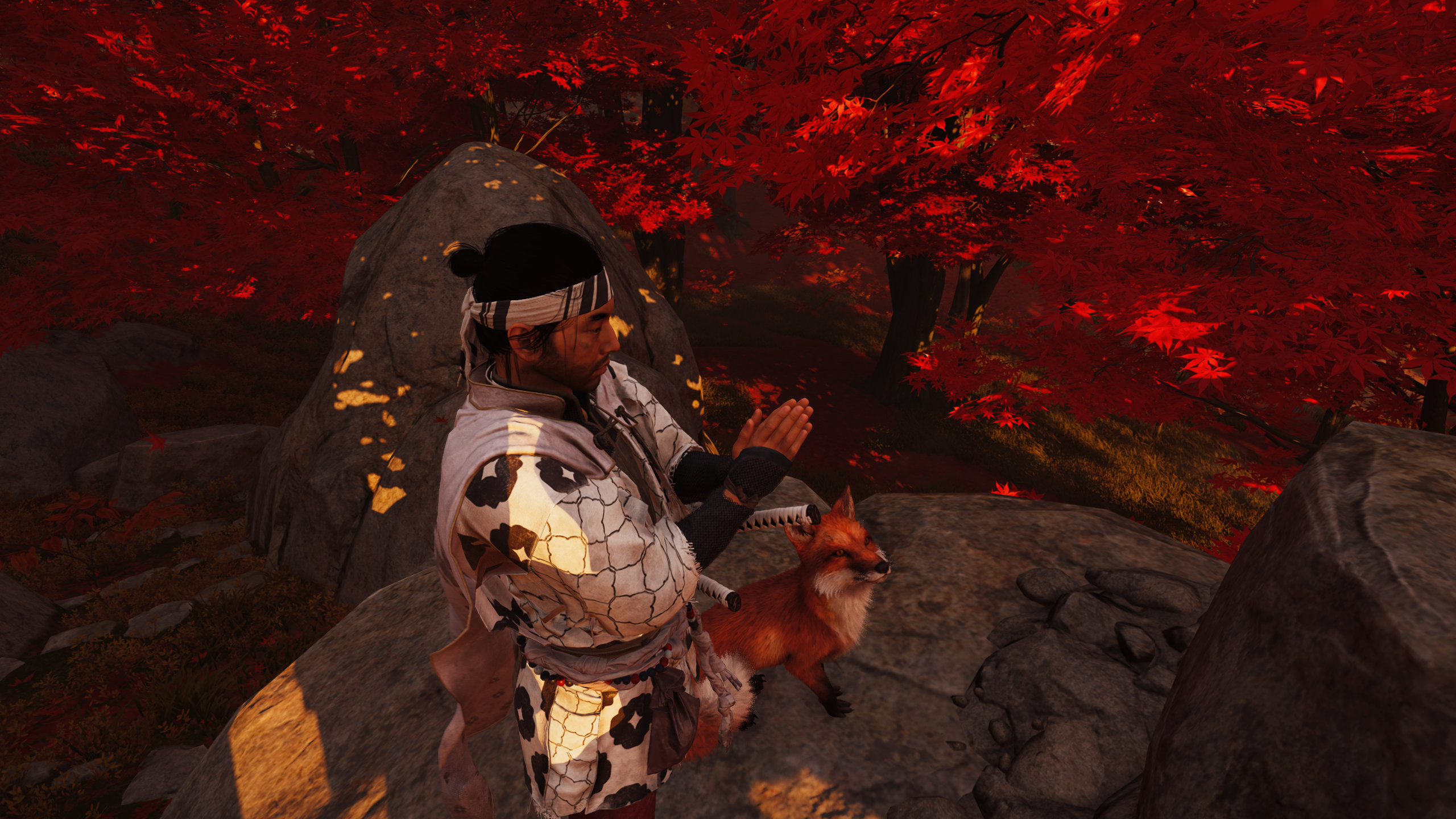
At its core, Ghost of Tsushima is very clearly based on the same overall design ideas as many Assassin’s Creed games. Granted, Sucker Punch Productions themselves were at the forefront of this wave of modern open world titles with their inFamous series, but there are undeniably “AC-like” elements in this game. However, the focus of the game is on hack and slash action, rather than action stealth and on top of that, the storytelling is often emphasized over other elements of the game. Thankfully, not in the extremely scripted way Rockstar love to do it, but rather in the same way The Witcher 3 approached its quest design. Basically – you’re not really following generic quests here, you’re always experiencing small stories, which have a clear beginning (including a title drop) and an ending.
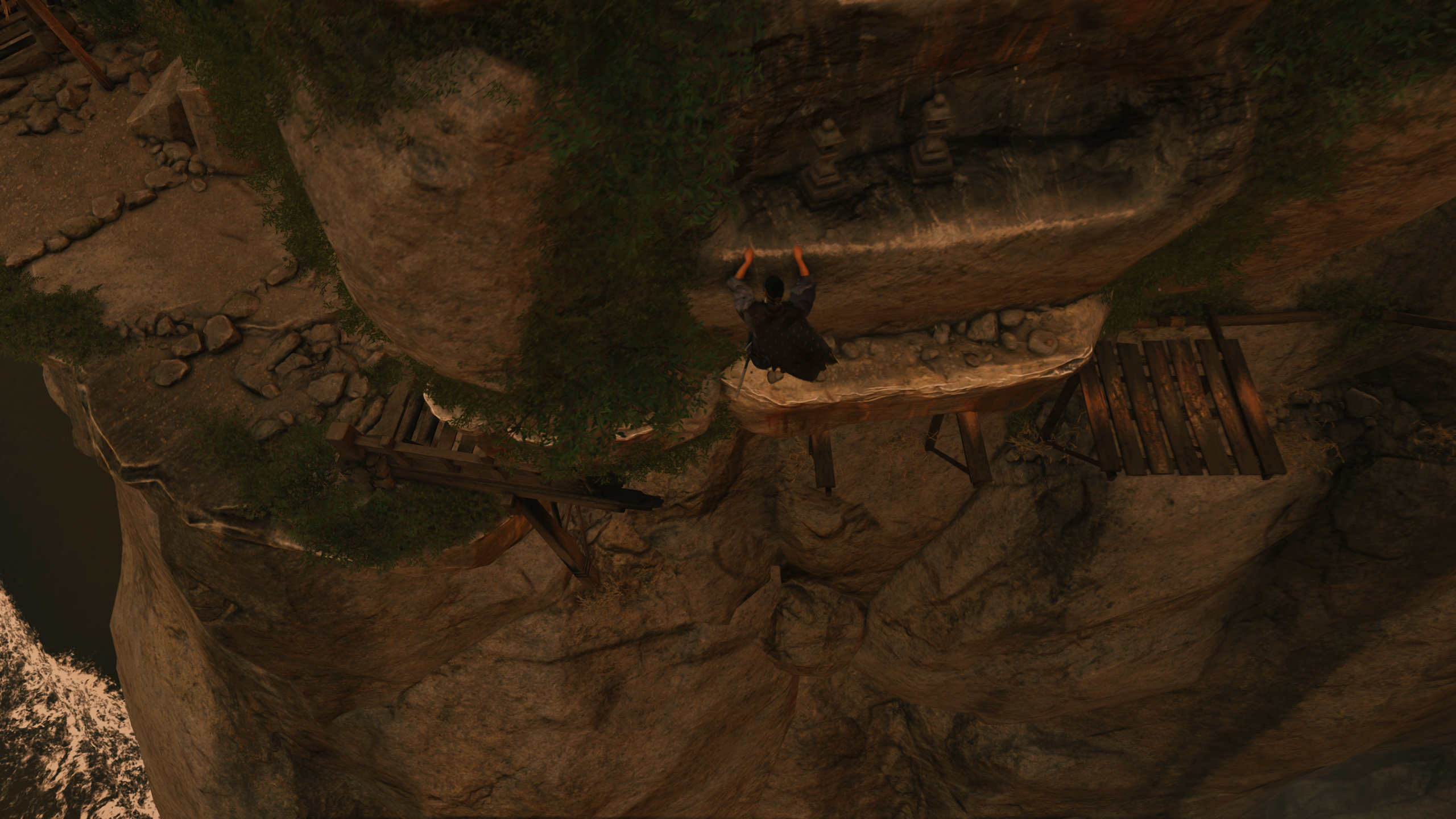
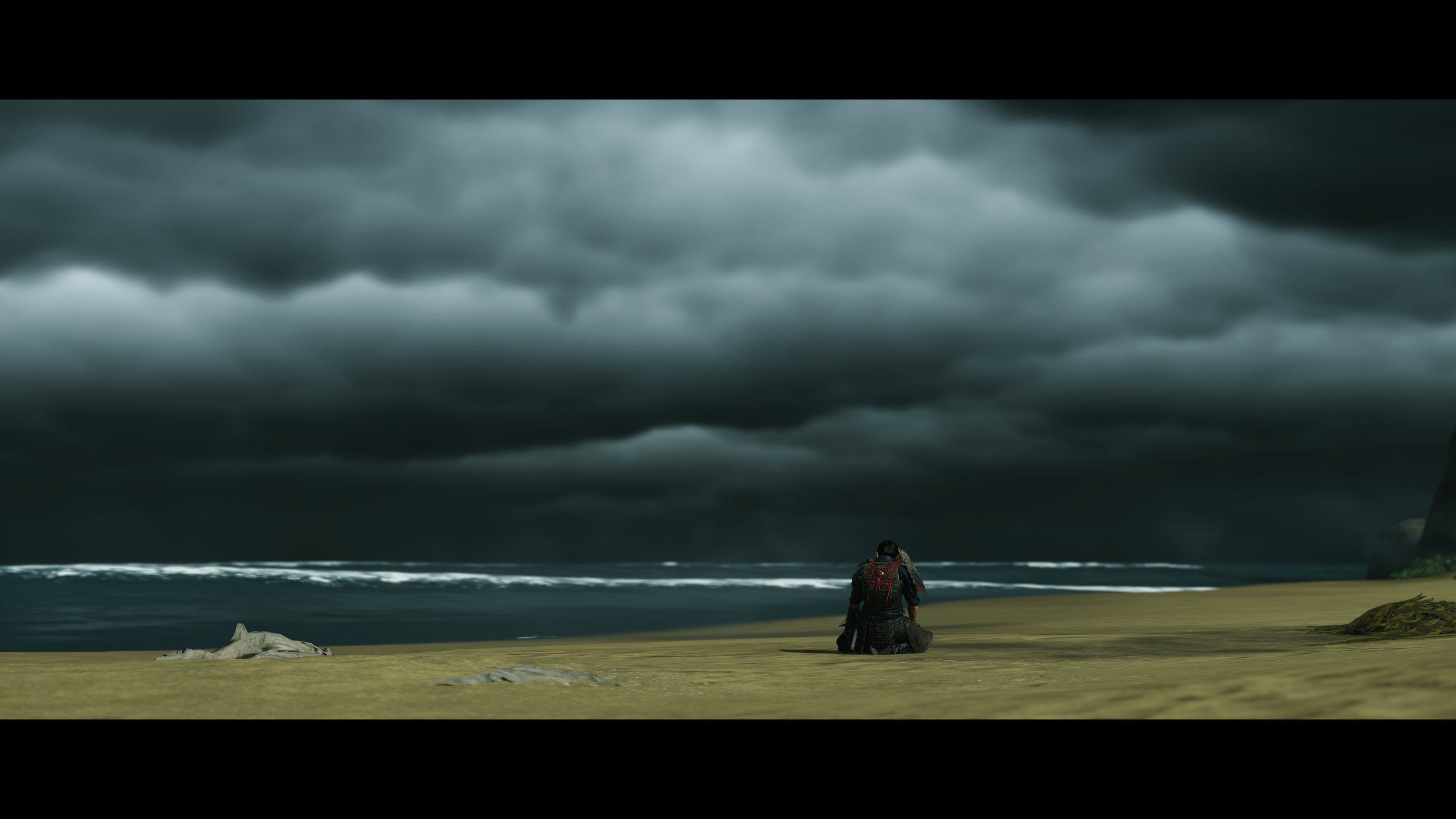
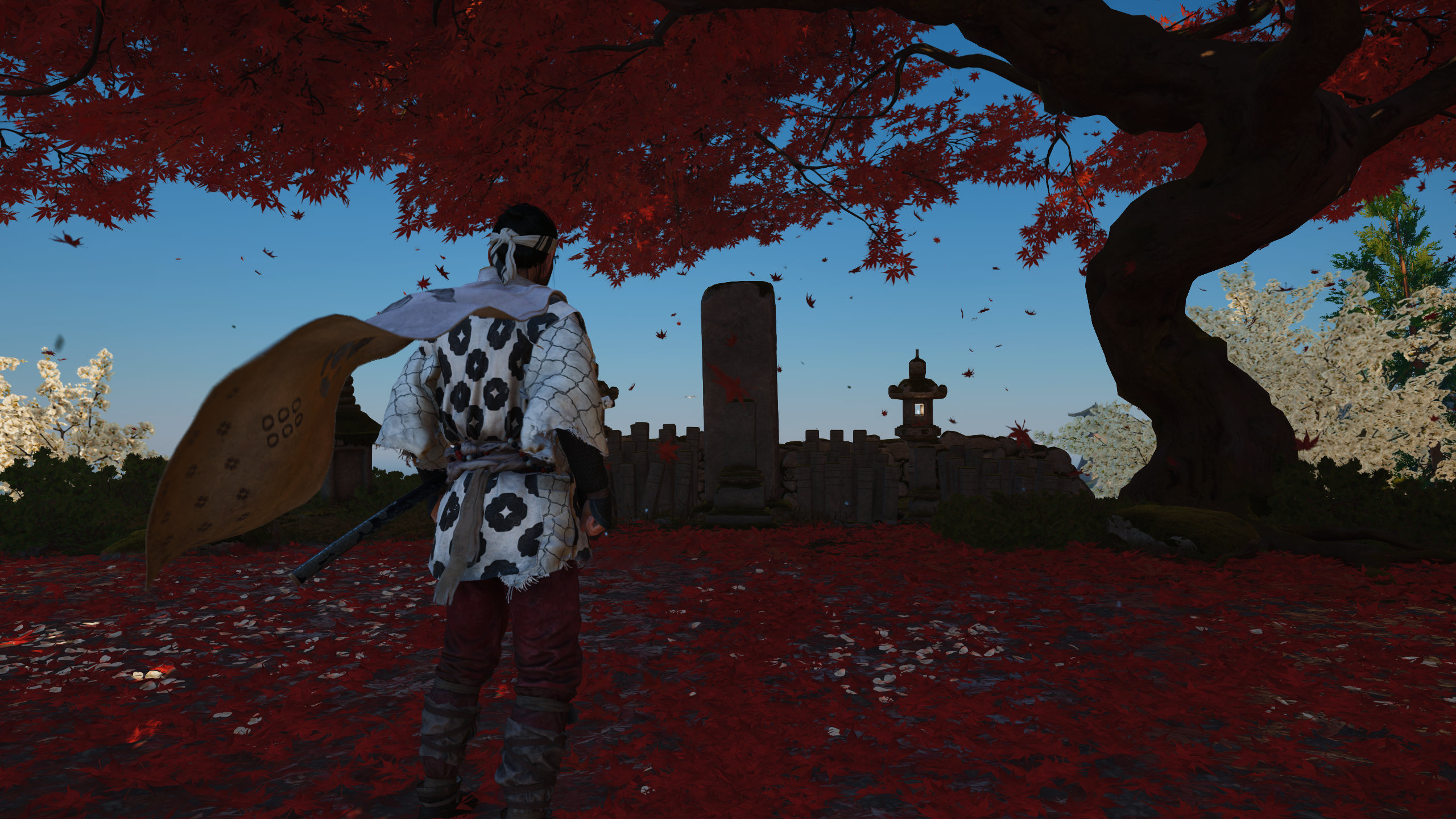
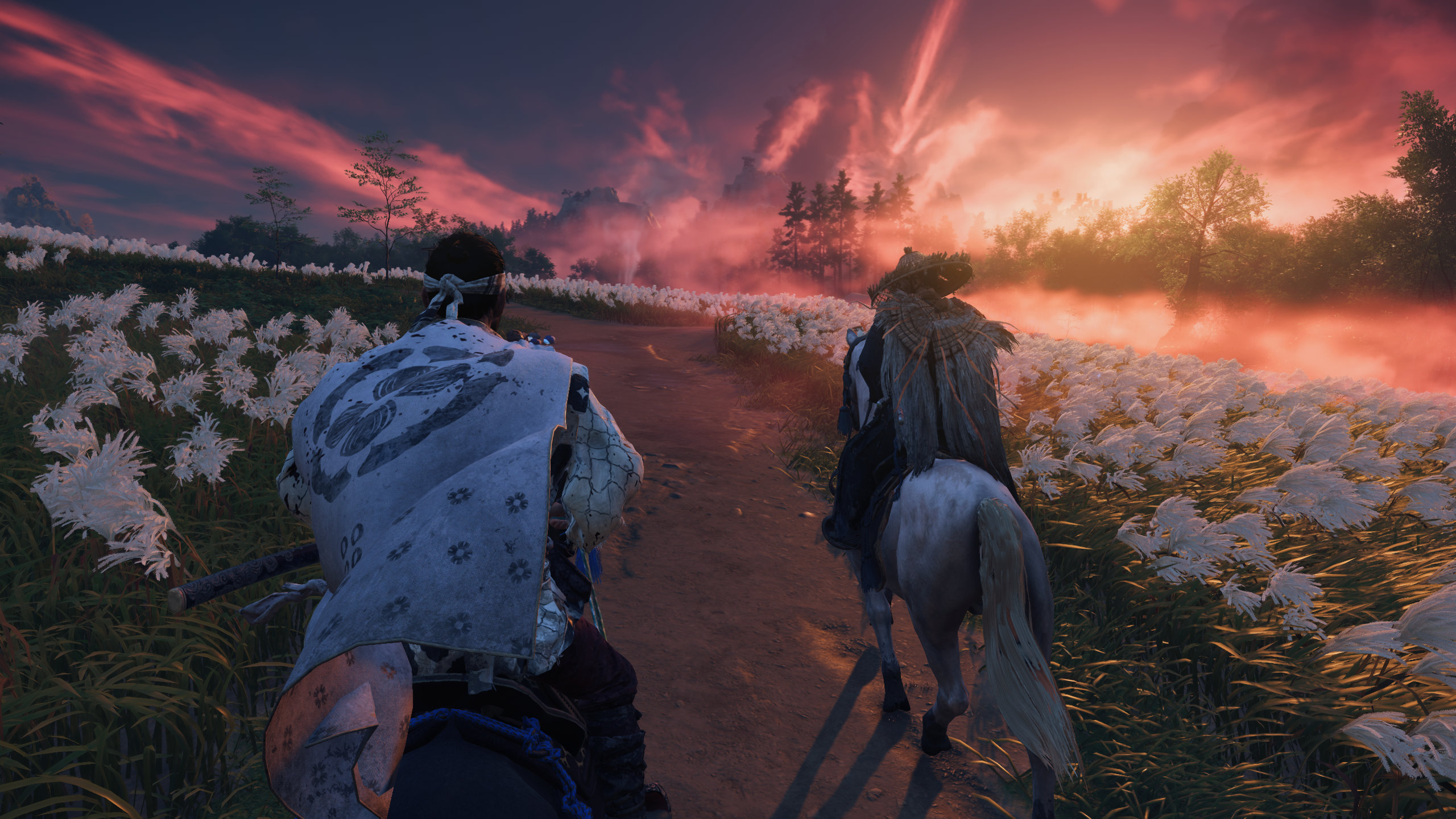
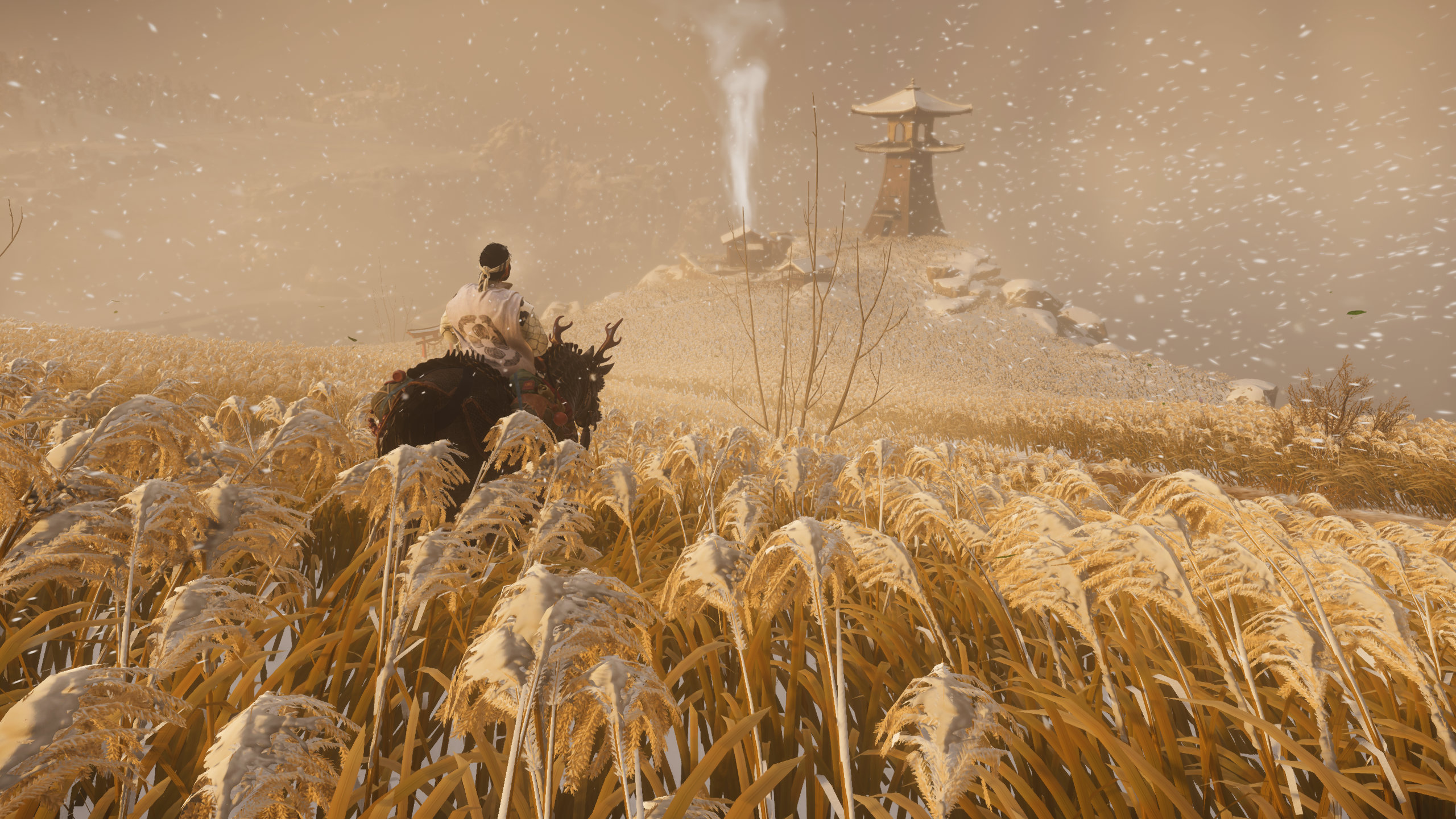
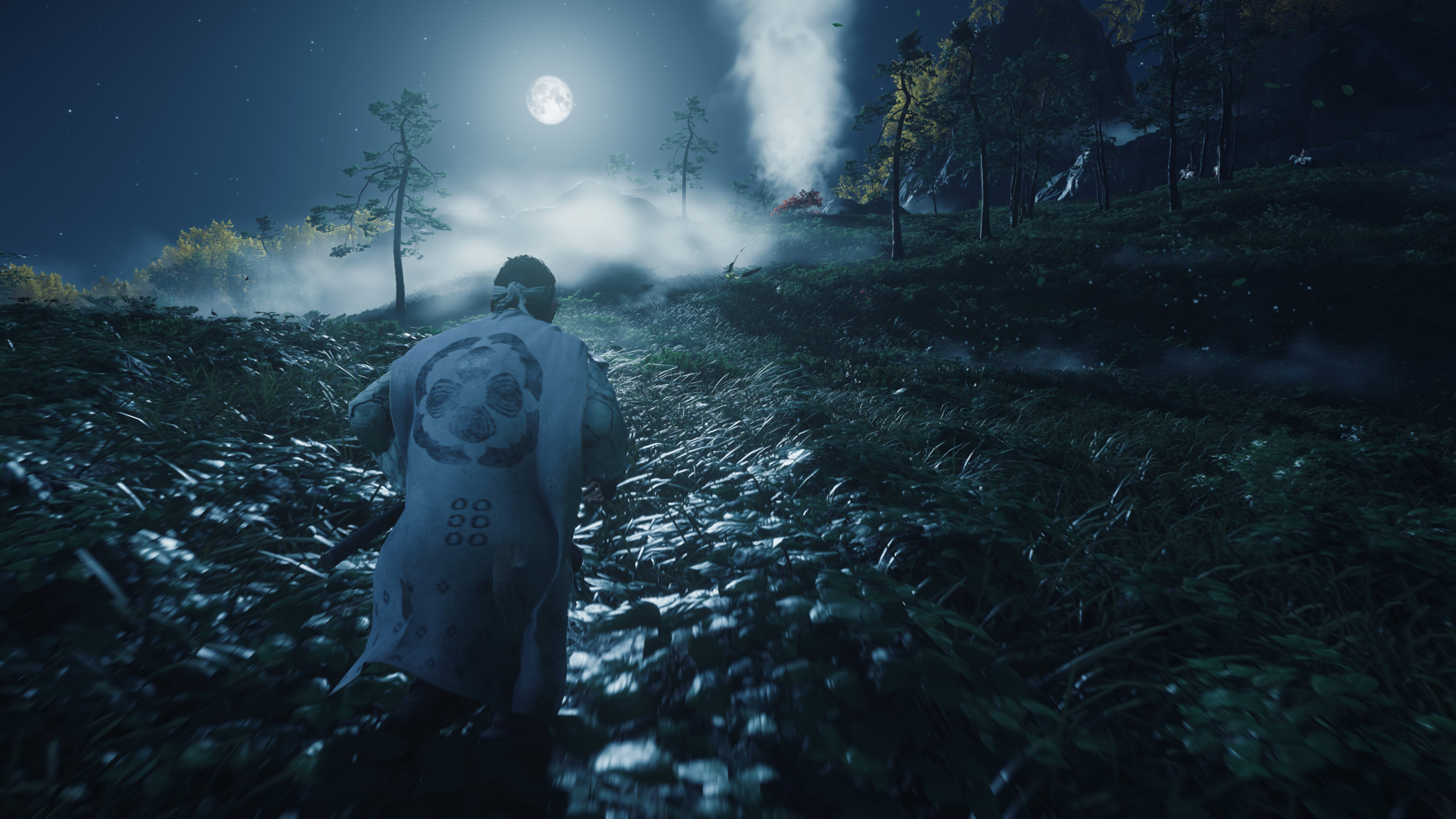
Which brings me to one of the two key reasons I personally stuck with the game until the end and completed a lot of the things in the world – it’s very nice to just BE in this game. There’s a certain pace, a certain tone to how the game plays and feels, that, if it clicks with you, carries you throughout the whole experience. The design of the different helpers, that point you where you need to go, is based around making them all as much part of the world itself as possible, leading to very beautiful and meditative scenes with dozens of flower petals or autumn leaves floating in the wind. Lots of “activities” in the game are intentionally paced to give you a lot of moments of introspection, of just taking the scene in. And even after each combat, it is extremely satisfying to just sheave the sword, even if it’s a manual action. I just kept doing it for almost 50 hours and that moment of stillness as the character sheaves the weapon never got old.
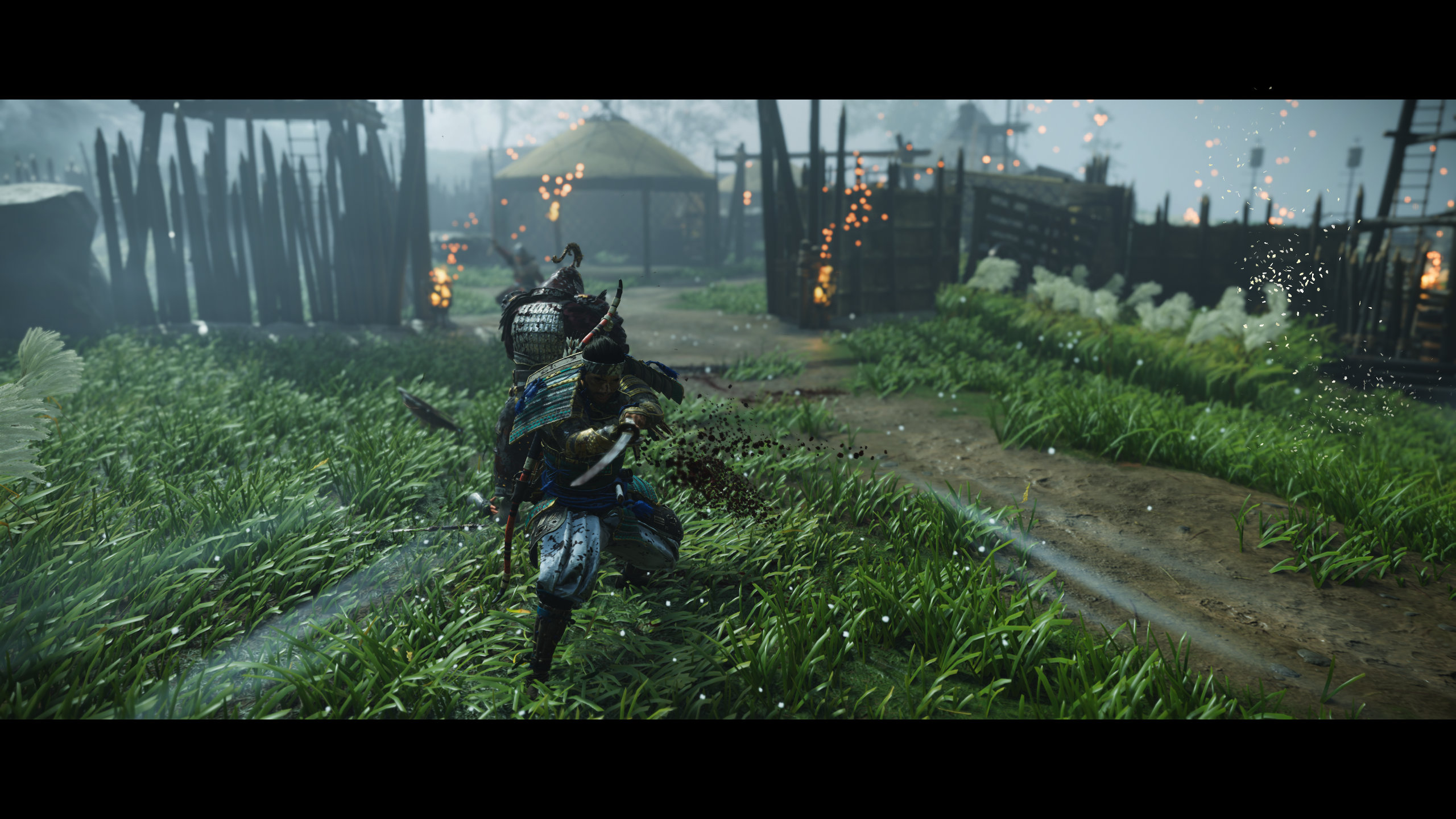
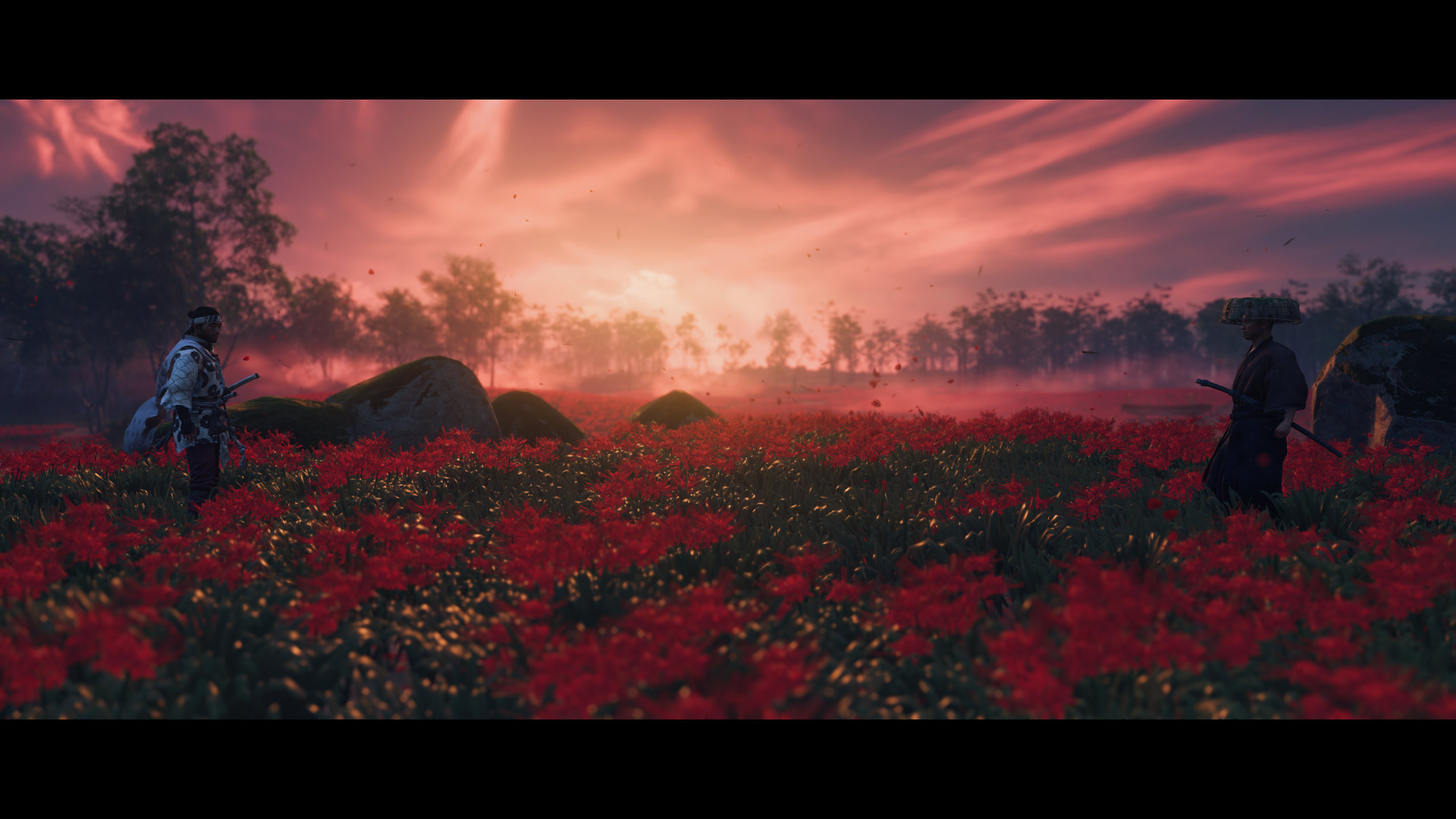
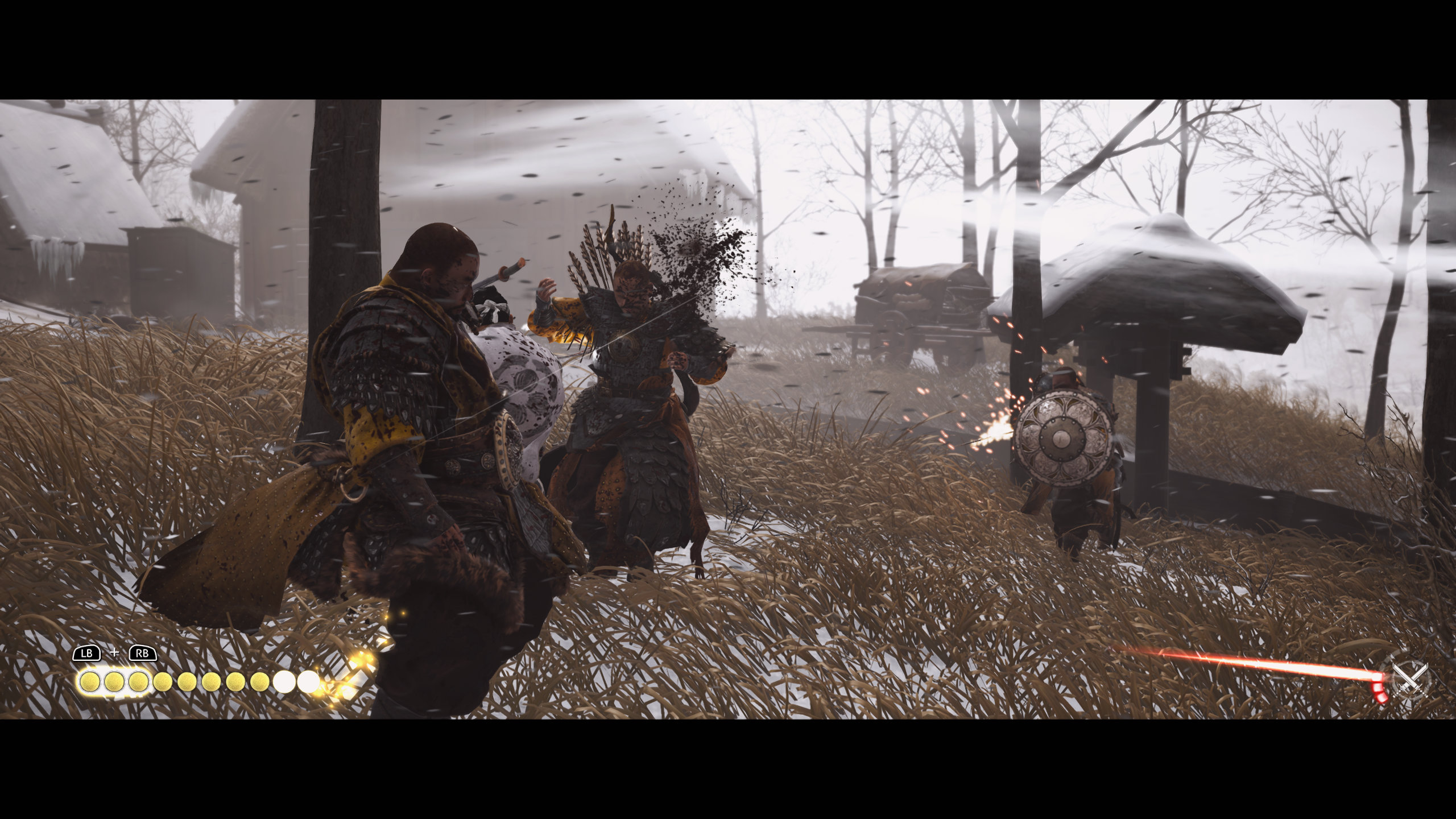
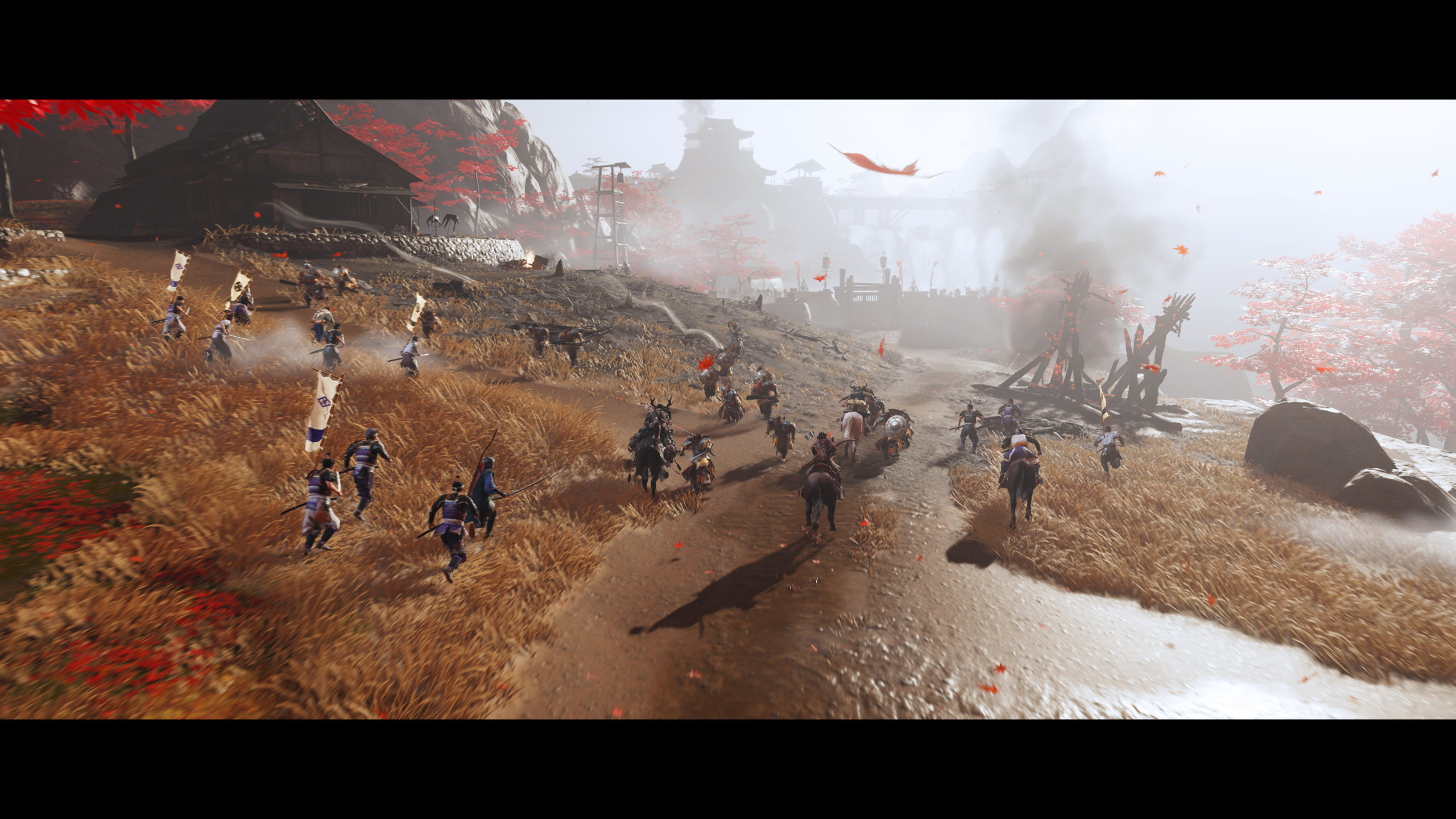
Combat is the other big reason this game is fun. Despite being relatively simple, the idea behind the combat is very fun. Enemies tend to die rather quickly, as they should in a game inspired by the samurai sword fighting, so the big challenge usually comes down to the amount and variety of enemies and your ability to change tools and combat styles. Once again – nothing complicated here, just your typical “this style works best against enemies with shields” type of deal, but mastering it, the perfect blocks and counter attacks, the perfect dodges all of the little combat mechanics is extremely satisfying. Which is why, no matter what the story was saying, if I could just cut the door down and scream “fight me bro!” which initiates a “standoff”, I did it every time.
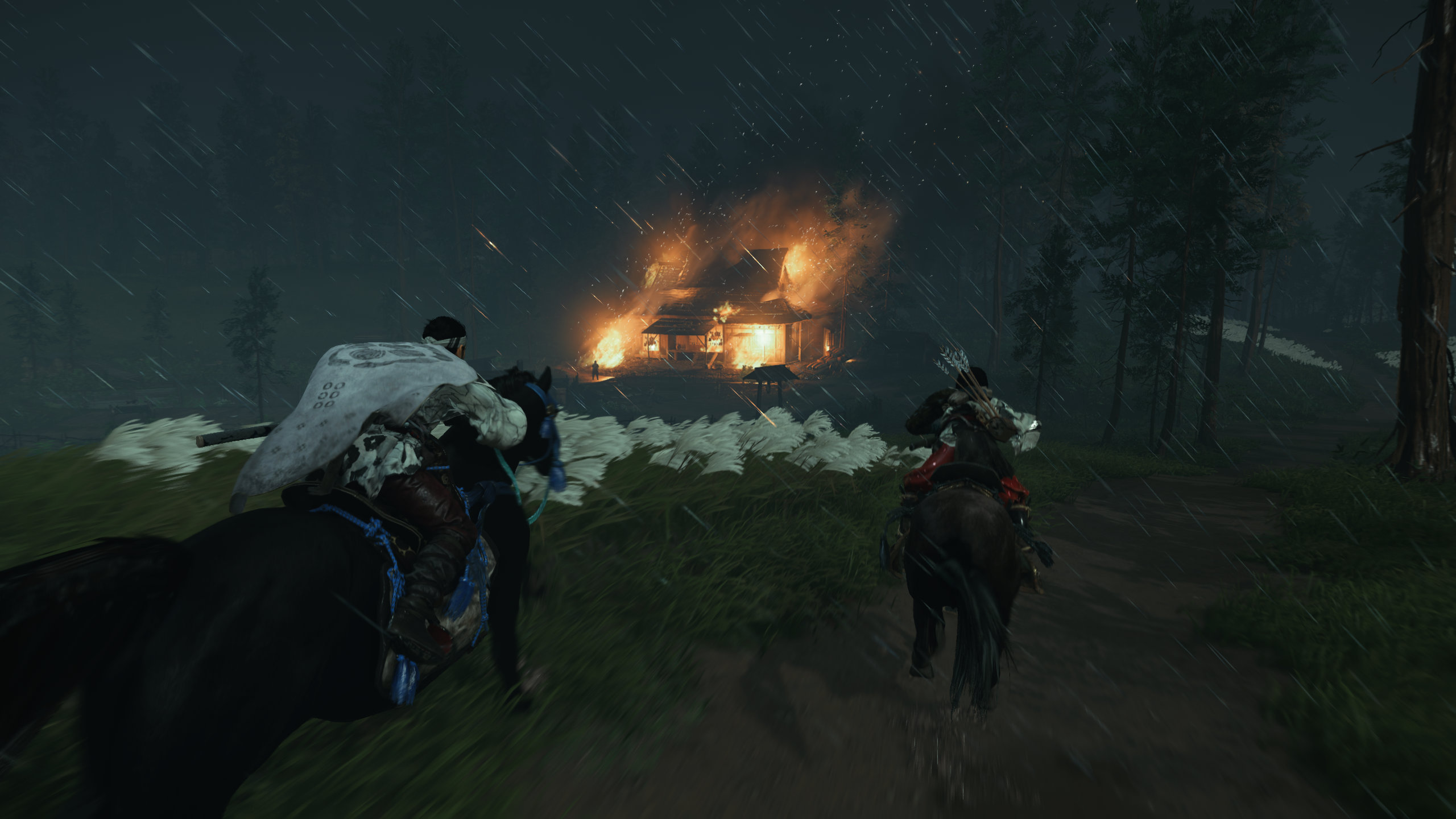
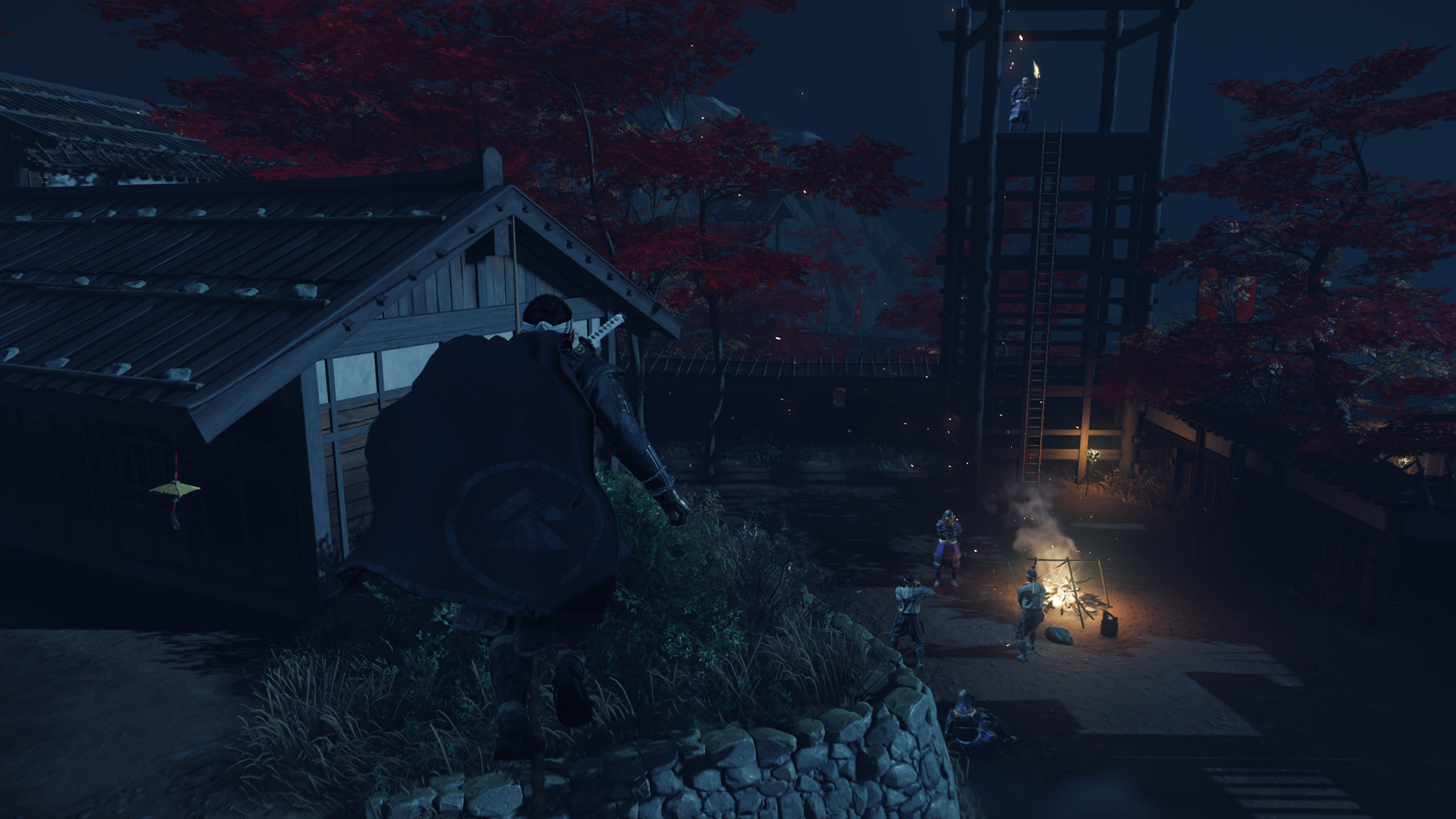
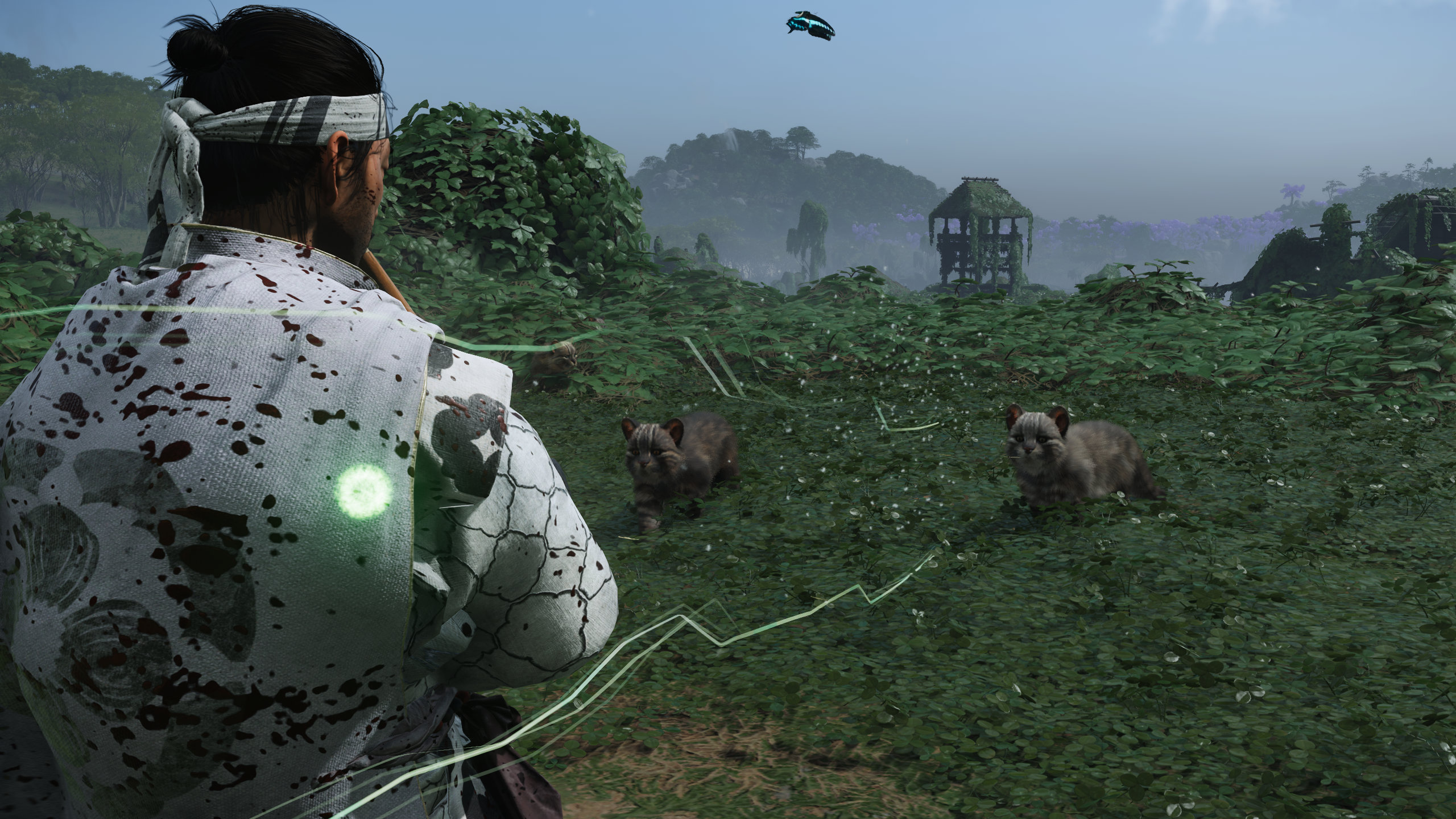
And that’s because the alternative is really boring. It’s odd that this game is very much “AC-like”, but stealth and all things related to it are so unfun, that I’m not sure why they were even left in. Narratively, there’s a big conflict between following the bushidō versus becoming somewhat of a shinobi and it’s a very solid idea. It’s just that in gameplay it was never true. I’ve almost never used any of the “stealthy” weapons or tools, or most of the special attacks that rely on those tools or stealth, simply because “honourable” fighting was mechanically far more fun. Which led to most of the story scenes that emphasized this inner conflict, where the characters suddenly do things you would never do in real gameplay, always felt forced and silly. I feel like, it would’ve made a lot more sense if the game instead focused on the same core idea differently, significantly cutting down on stealth (as there are quests where it is enforced) and instead focusing on the idea of using “dishonourable” ways of combat vs the honourable ones, yet still focusing on hack and slash combat, not action stealth.
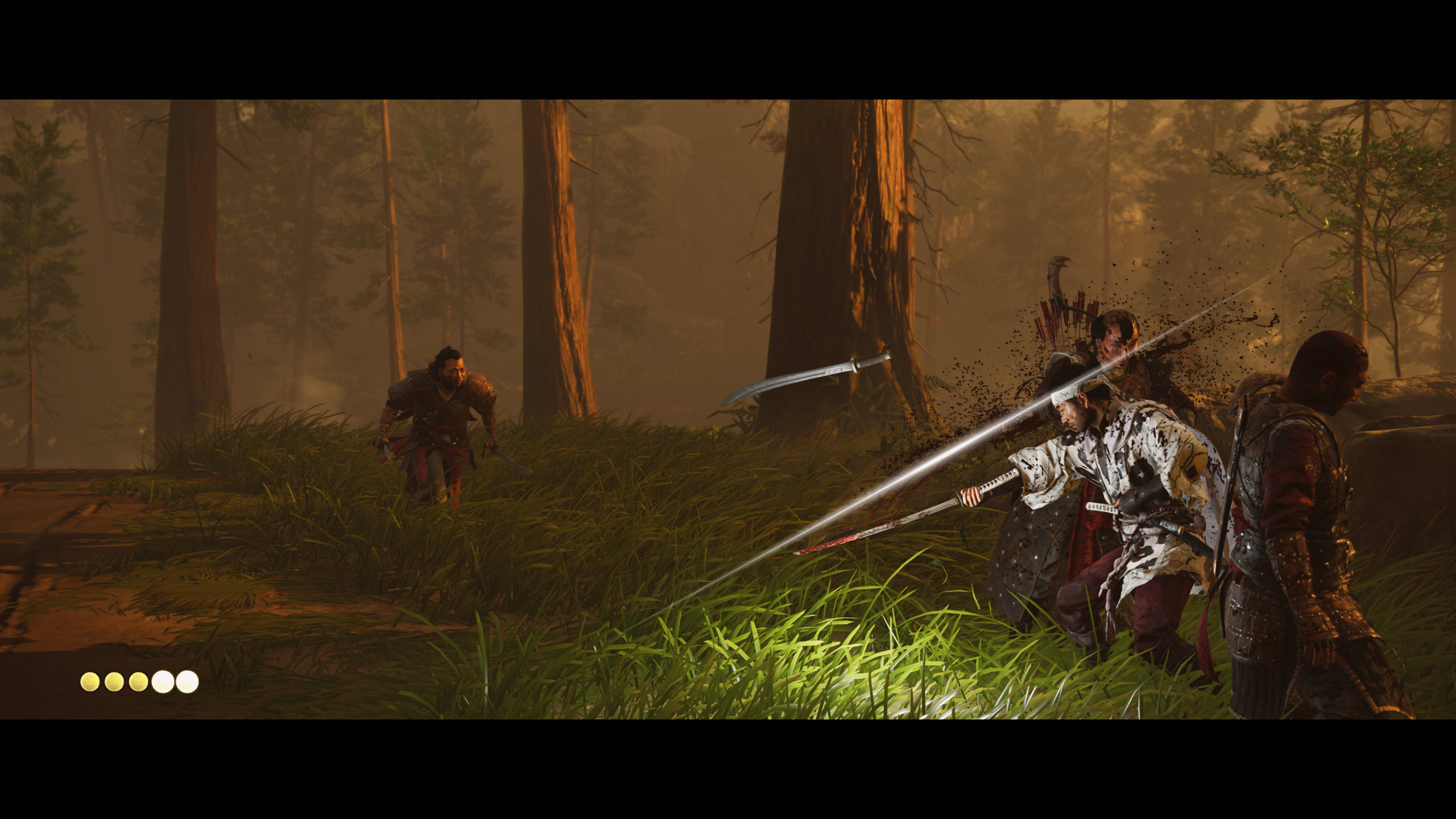
That said, the stealth aspects are just not fun, but not deal breaking. What is, is the fact that some of the core decisions in the game were just incredibly stupid. For example, the already mentioned style switching, which you completely rely on in combat, requires you to hold down a button and then press a different button. Except, the button you have to hold is the main interaction button of the game. And if you’re fighting with anyone around objects you can interact with, most of the time you straight up cannot switch styles. Given that enemies often drop something when they die, you’re fighting around objects you can interact with all of the time, so this can lead to extremely frustrating deaths, where the game just failed to do what you were asking it to do.
The worst offender of all is the Iki Island expansion that was added for the Director’s Cut version. It is astonishing just how terrible every single aspect of that thing is. Exploring the world is annoying, because of the geography of the island. Every new side activity is extremely bad. All of the new mechanics make the game worse. Enemies are made more tedious, rather than more challenging. Of all of the game, my playthrough of the expansion was the only time I was seriously considering just dropping the game and moving to something else. It’s really bad and I do not recommend starting it at all, but if you absolutely must, do it after you’ve played the entirety of the main game, so you don’t start hating it too early.
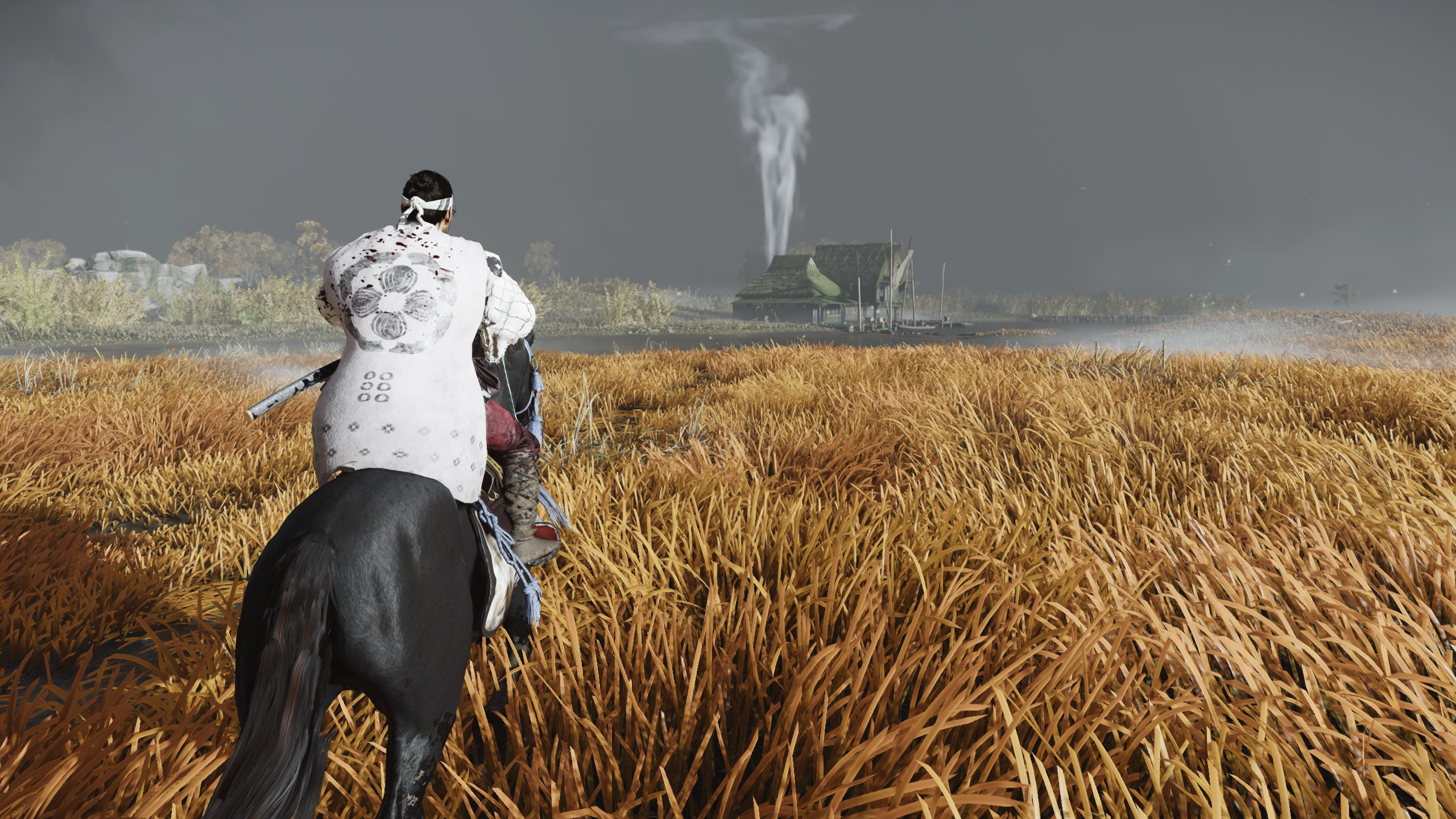
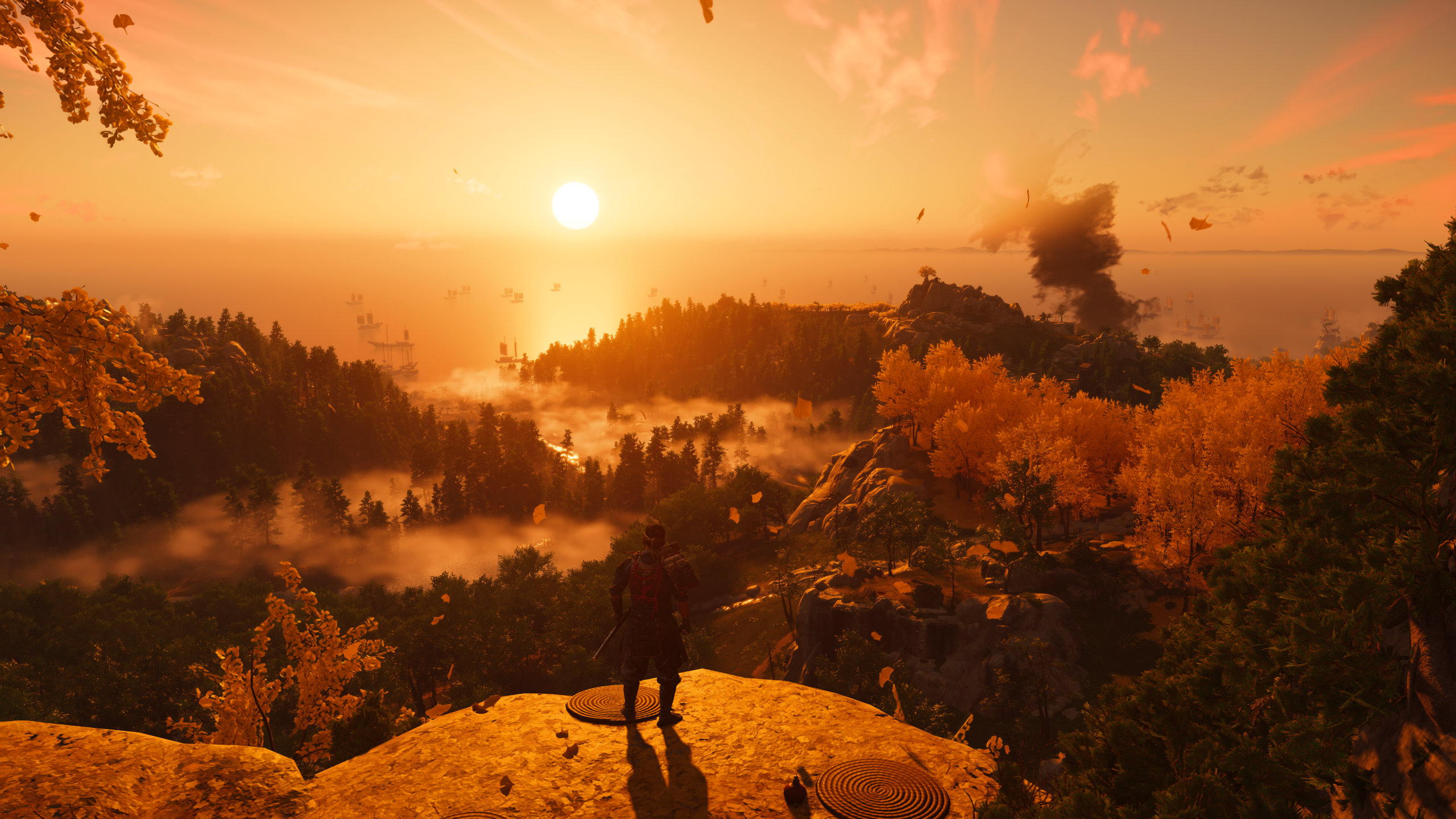
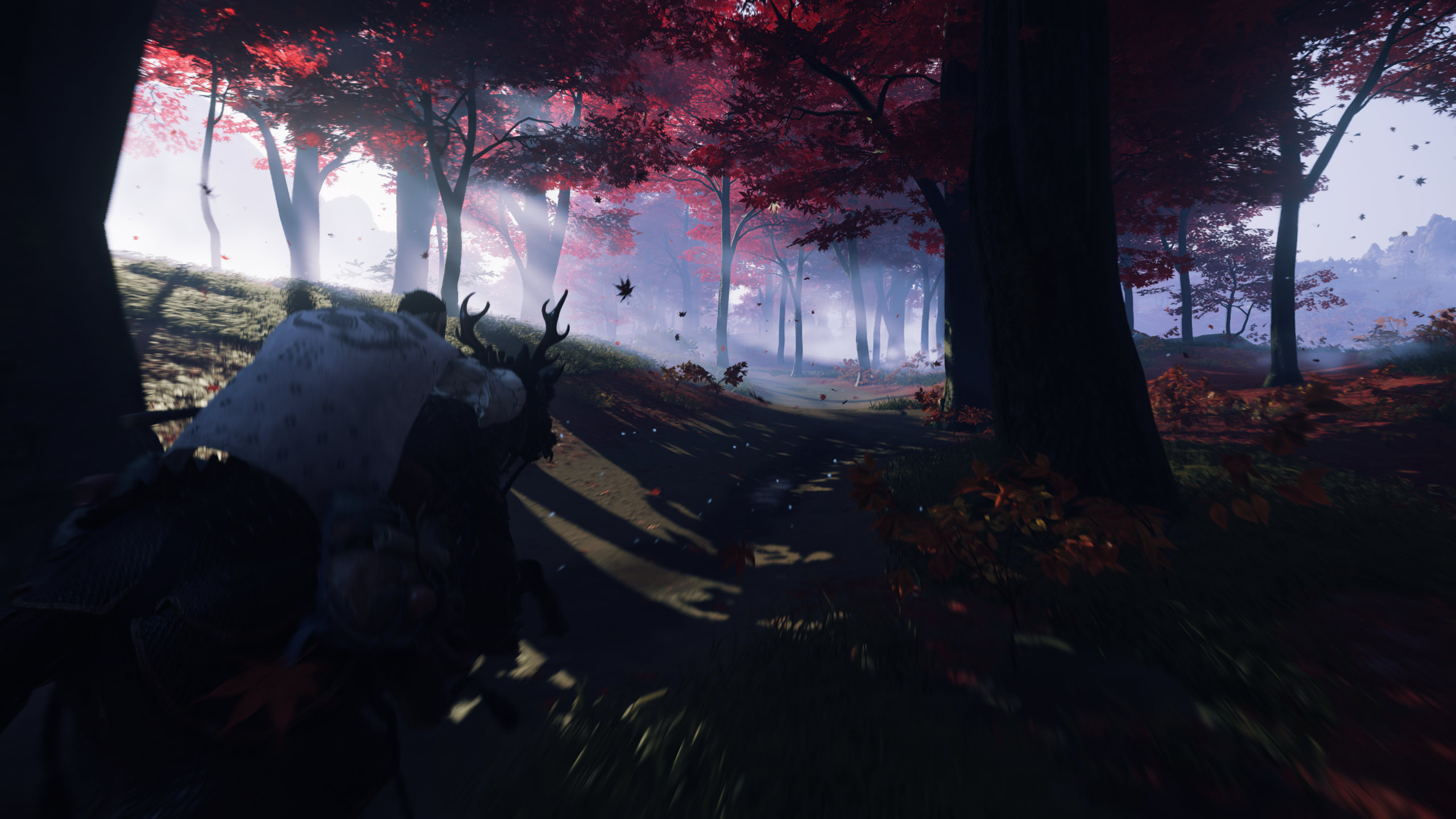
Thankfully, when I got back to the main game, I gradually got sucked back into the experience. It is a bit samey, the story does get stupid at times and combat can get frustrating due to the issues I’ve mentioned above. But nonetheless, I kept on going and explored almost everything, because it was genuinely fun. The game is longer than it should be, as it often is with open world titles, but if you’re focusing on the main story, it would be much shorter. And I think it’s very very good and worth playing.
Spelling error report
The following text will be sent to our editors: