

O tempora is a series of retrospective posts where I play games from ages before to see if they stood the test of time.
I’ve talked about movie tie-in titles that became instrumental in shaping the future of gaming when I was exploring The Chronicles of Riddick: Escape from Butcher Bay. But this time, we are going even further back in time to 1989, to a horror themed action adventure turn based party based RPG Sweet Home, developed by Capcom as a tie-in to the movie of the same name. It was released on Famicom exclusively in Japan and has never been officially localized or re-released. Yet, this game and its unique blend of game mechanics are incredibly unique and have never been recreated to this day. And it is also the reason Resident Evil exists.
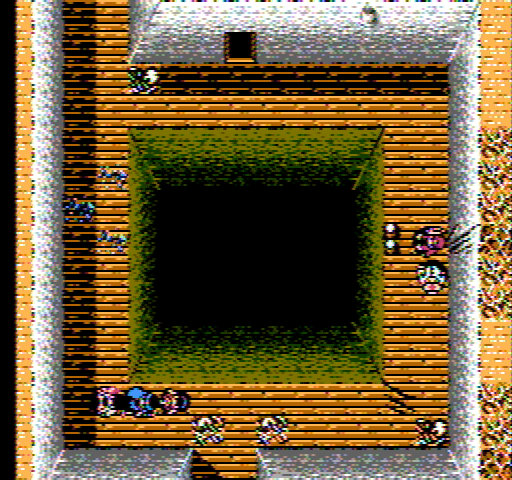
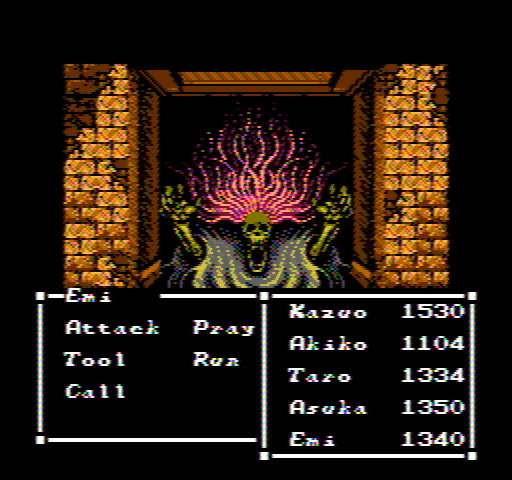
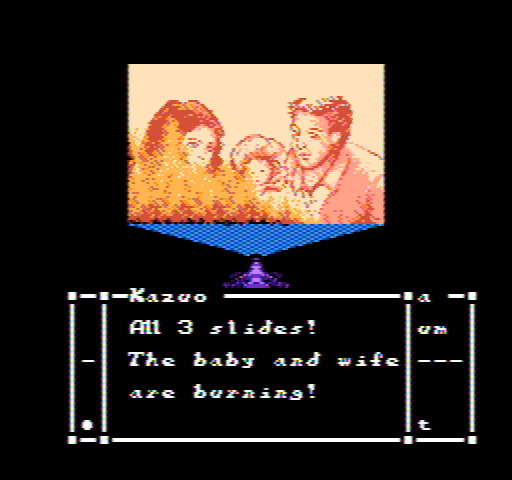
Since I do not know Japanese, I’ve played the game the same way vast majority of international audience did – with a fan translation on an emulator. The translation in question was made way back in 2000 by Gaijin Productions and Suicidal Translations, although there is an updated version that improves on it that I did not use. While the older translation is a bit off at times, it is clear enough for an easy understanding of the game. I also used a filter that makes the game look a bit closer to how the NES/Famicom output used to look on the old CRT TVs, which you will see on the screenshots.
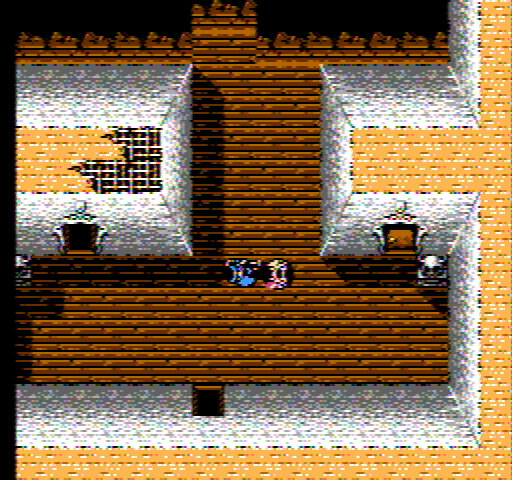
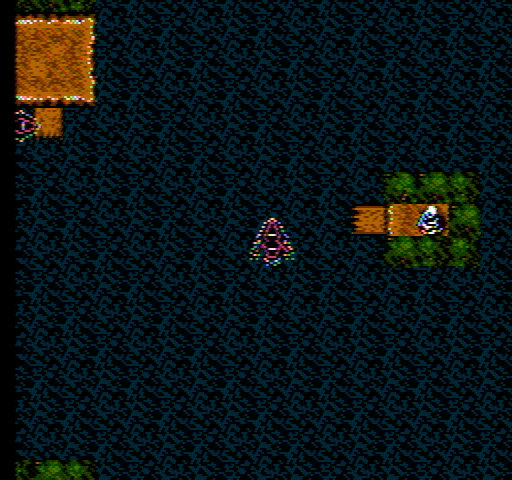
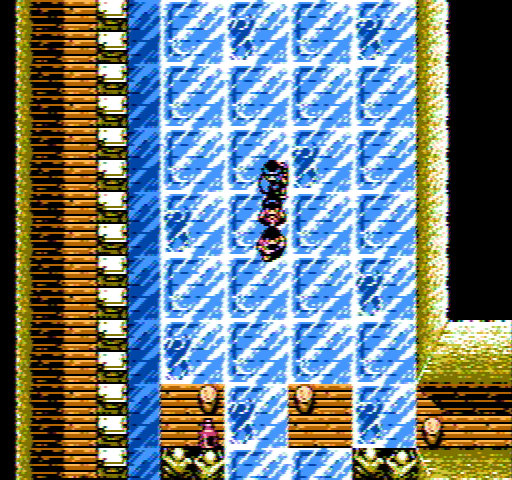
With this out of the way, time to attempt explaining what Sweet Home is. In terms of the presentation and mechanics, you’d initially believe this to be a classic jRPG, of the Dragon Quest variety. With the isometric view for the typical exploration and random encounters that take place on a different screen. However, you will start noticing differences right away. You have a team of 5 people but you control them individually as the game starts. They can team up into a party of up to 3 people and move as one. And if such a team initiates combat you get to control all of them, while enemies always attack as singular entities. However, during the fight you can also “call” any other characters, which switches to the exploration view, gives you control of the character who was called and 10 seconds to run up to the the group engaged in the fight and join in. So… you can fight with all 5 characters. Or just one. In fact, a lot of obstacles and status effects in the game are designed specifically to separate the group, so keeping everyone together is more difficult.
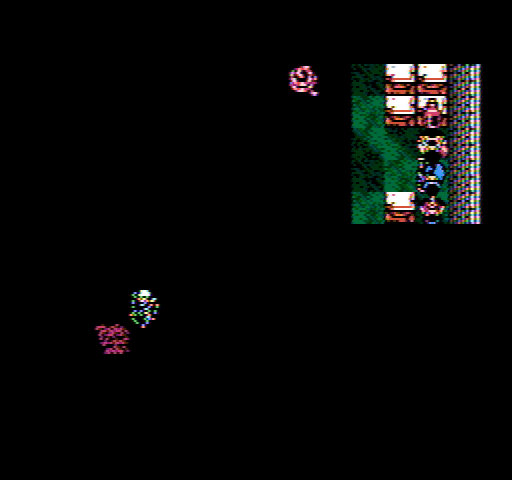
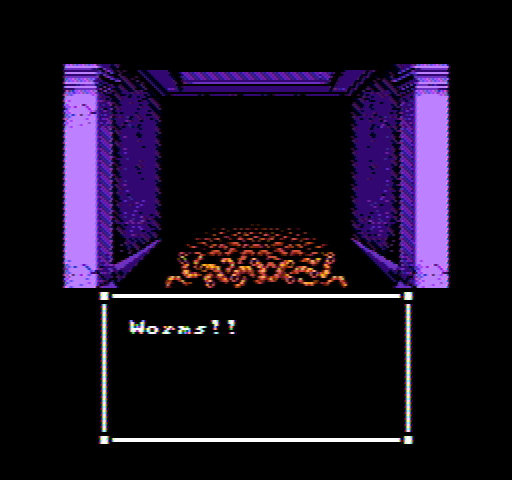
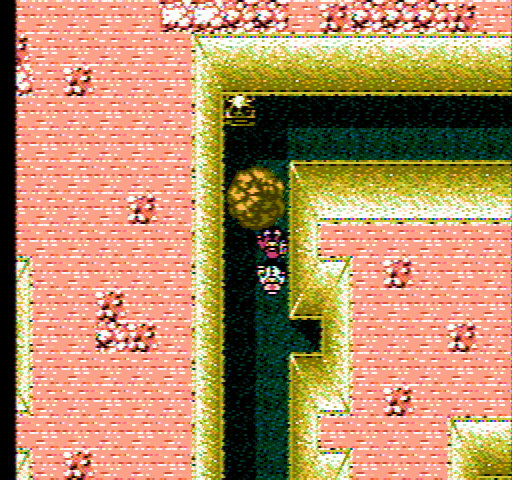
Why such odd approach to a traditional RPG party? Well, if any of the characters dies – they are dead forever. The game will continue until the last character dies. You even get different endings based on how many characters survive. As expected, when characters are alone, they are more vulnerable and combat gets a bit tougher. And yet, even though levels matter more than equipment in the game, the combat is not what makes losing characters tougher. What will get much more complicated is the actual main focus of the game – solving problems in a big interconnected location with limited inventory. Each character carries a unique item that cannot be removed (that has a “generic” substitute if the character dies), a weapon slot, that can only fit a weapon you find, and two slots for items. Just two. In the game where a lot of items have multiple uses and do not usually disappear after their final use.
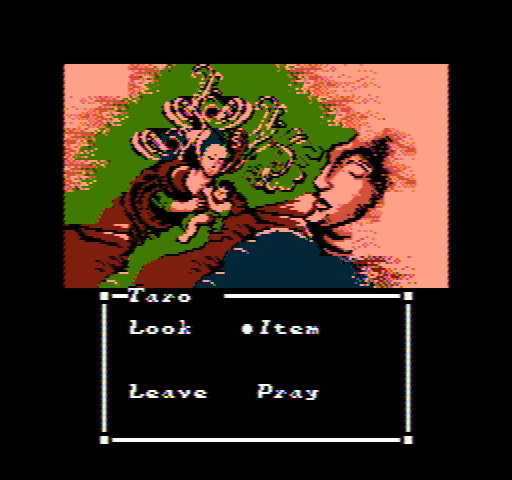
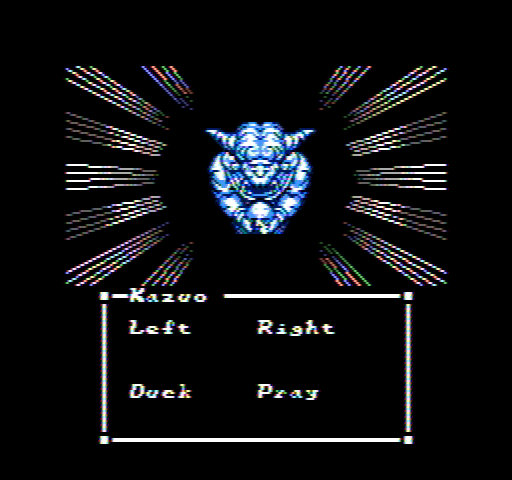
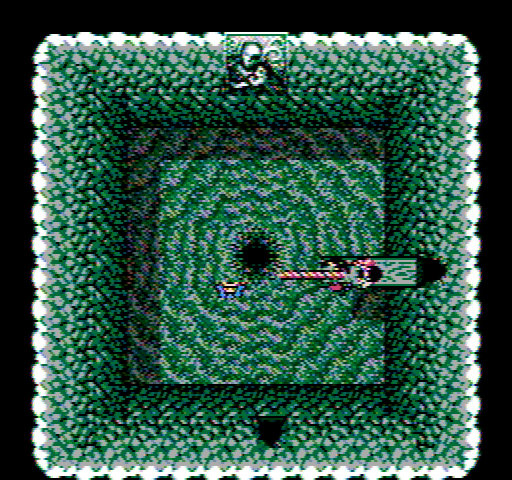
Figuring out what to use and when is not difficult, as there are plenty of hints around. But knowing what you will need to carry and what can be temporarily or completely discarded – that’s something you cannot predict for the first time playthroughs. Capcom would repeat almost exactly the same approach in Resident Evil Outbreak many years later, where it somewhat worked. But also, quite infamously, do it in Resident Evil 0, where one particular item takes a lot of space but needs to be carried around for most of the game. Thankfully, in Sweet Home it is not much of an issue if you are smart and keeping all of the party alive and grouped. But during the last sections of the game, it can become a bit overwhelming and frustrating.
That said, what an experience this is. The game uses the proper “metroidvania-like” logic, so you’re constantly opening up more and more of the same location, just like the original Resident Evil. So it’s always fun to open a door and realize that it was a shortcut to an earlier location. Or use an item to remove an obstacle, so you have a safer path. The game is usually quite hands off about letting you explore and experiment too, though it has a few partially interactive cutscenes that restrict gameplay until they’re done. And although there is no map, the locations are visually varied, have plenty of memorable landmarks and the soundtrack to the game is very good and unique to each part of the spooky mansion.
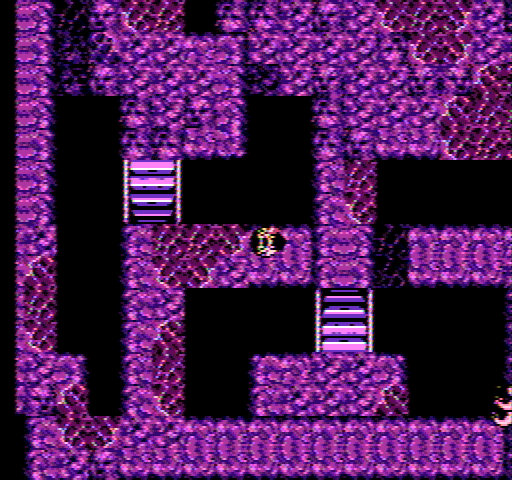
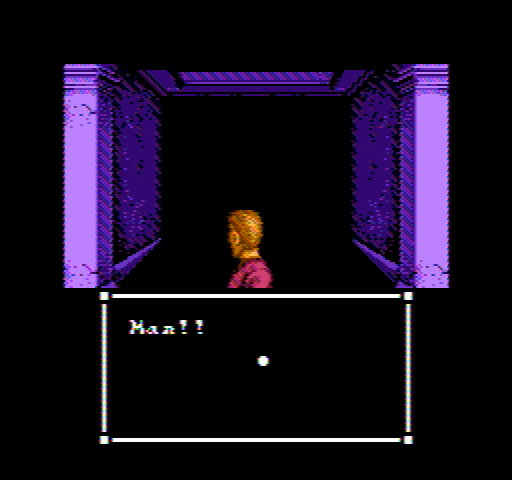
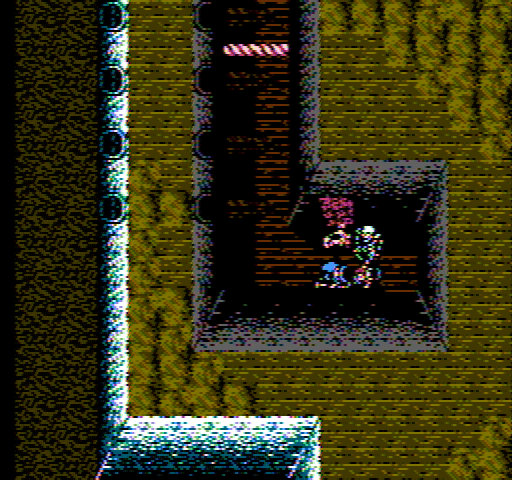
Playing Sweet Home is not without frustrations, even if you fully utilize a walkthrough or save states on the emulator. Though, the latter is not necessary as you can save at any point anyway. But the game is surprisingly efficient at creating the mood it’s going for and mechanically I can’t think of any other game that works like this. Sure, this is basically classic survival horror, just with combat done via turn based random encounters. And there are modern titles, often made with RPG Maker, that play more like action adventure titles. But none of them are exactly like Sweet Home. It is a shame that it never got an official international release or even a re-release. Perhaps making a straight up remake or a sequel to this game would be a pointless endeavour. But a new title that continues this idea, and is both a proper RPG and a proper survival horror – that’s something I’d love to see.
P.S. Oh and do read the game manual before you play the game. This is a title from the era where it was required to understand the game.
Spelling error report
The following text will be sent to our editors: