
A few years ago The Case of the Golden Idol really impressed me. It was a solid investigation game that drew a lot of ideas from Return of the Obra Dinn, where the gameplay revolved around investigating a scene frozen in time to get certain key words, and then putting those key words in specific forms to explain what happened. It had a unique visual style, really fun plot that gradually revealed itself through your investigations and even the later DLCs were a great addition to the game, providing a solid prequel to the invents in the main game.
But the developers decided to go even further and develop a sequel and then also plan a year worth of DLCs for it. Which is the main reason I have not reviewed the game up until now – I don’t like playing “unfinished” story-heavy games. But now that it is finished, I have to say that the sequel is considerably less fun than the original game, but is still really good.
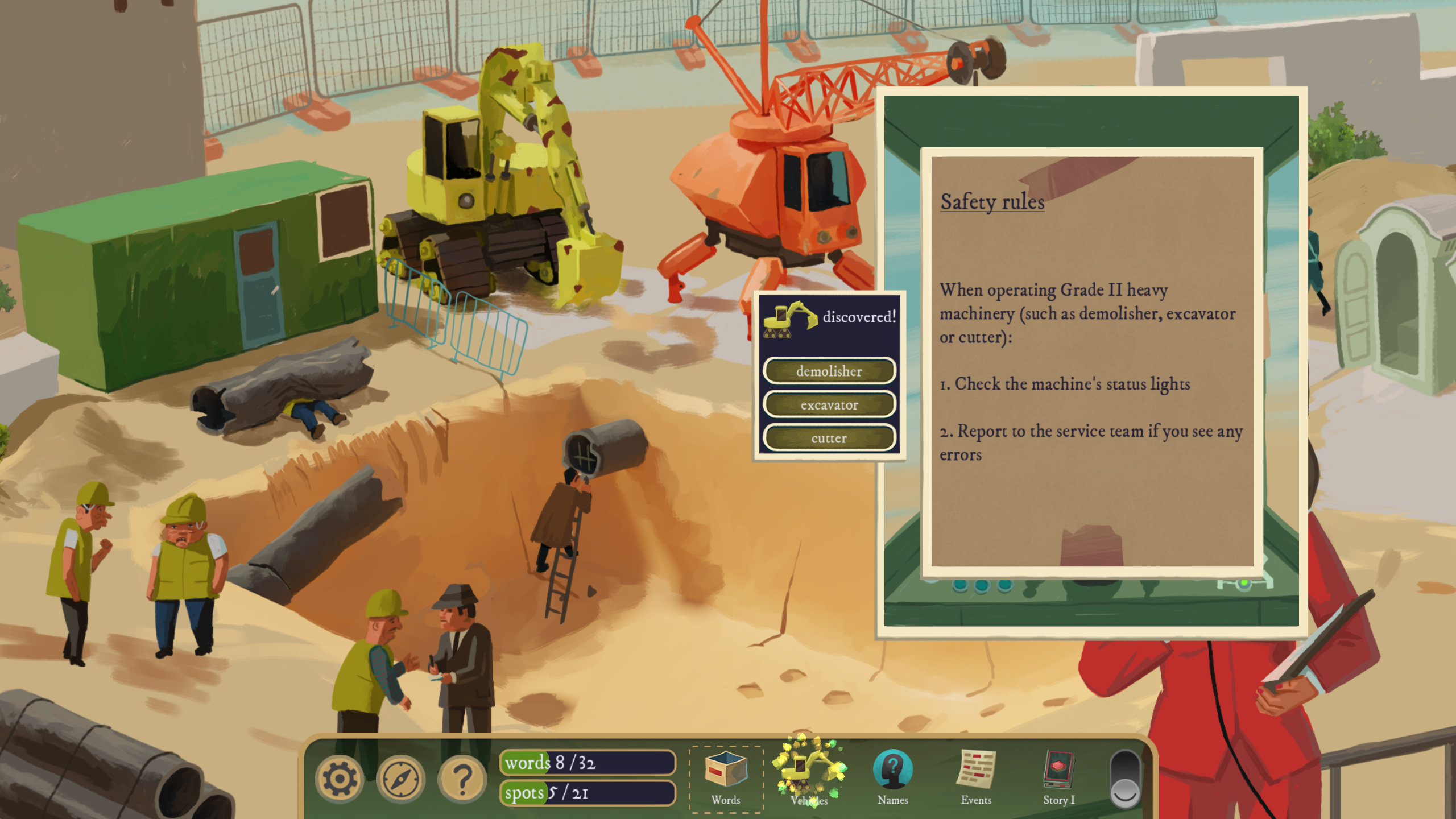
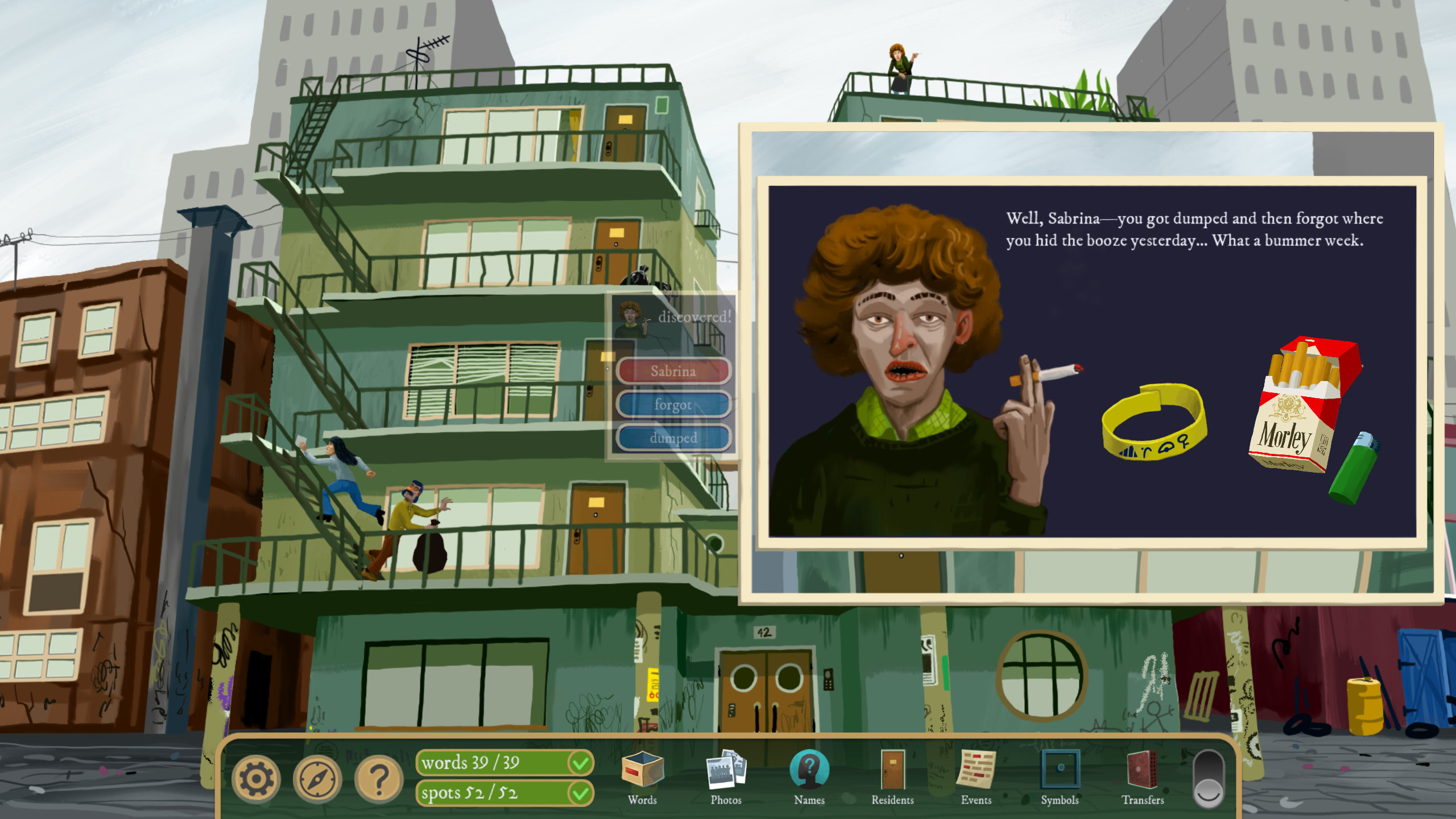
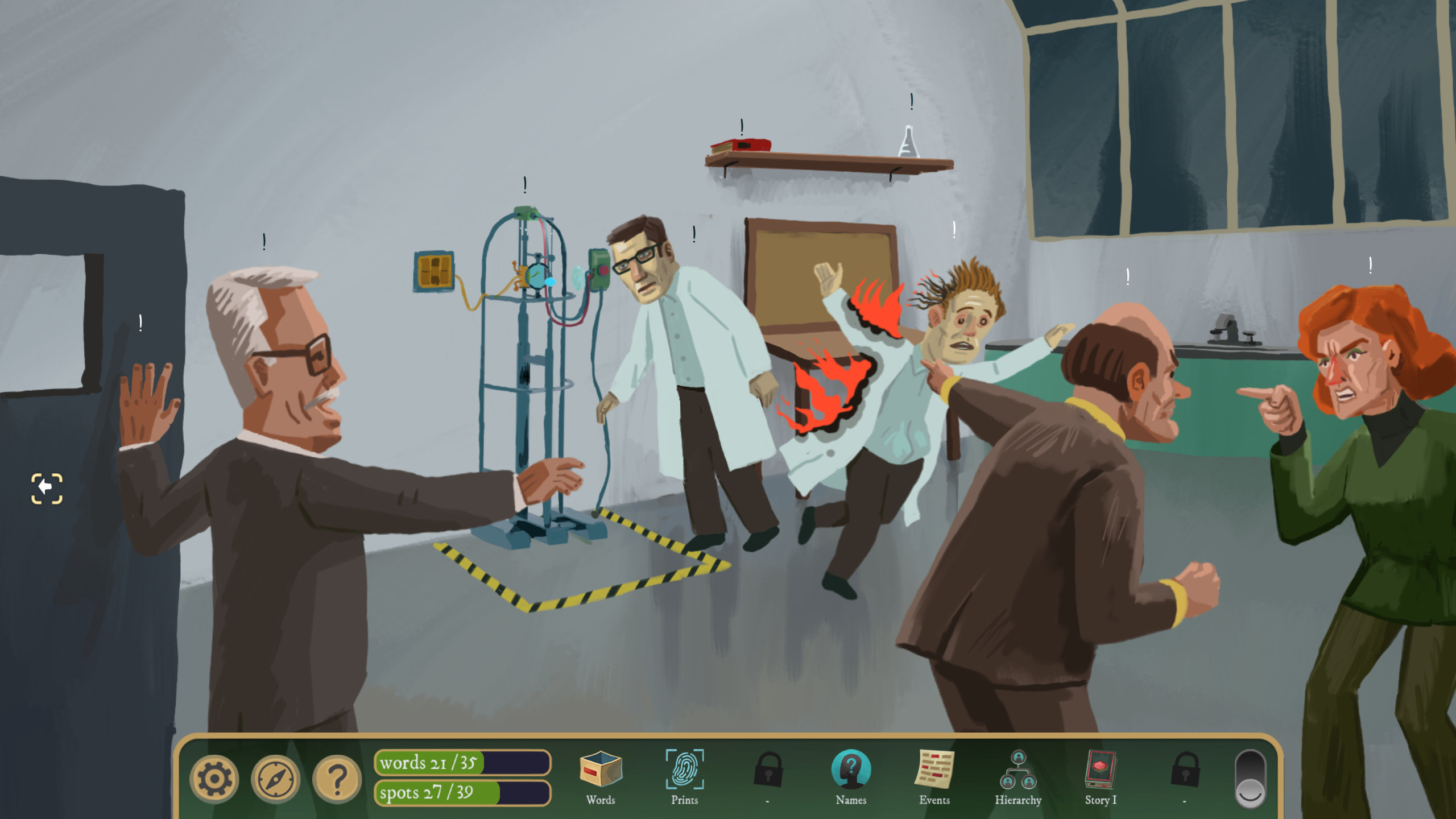
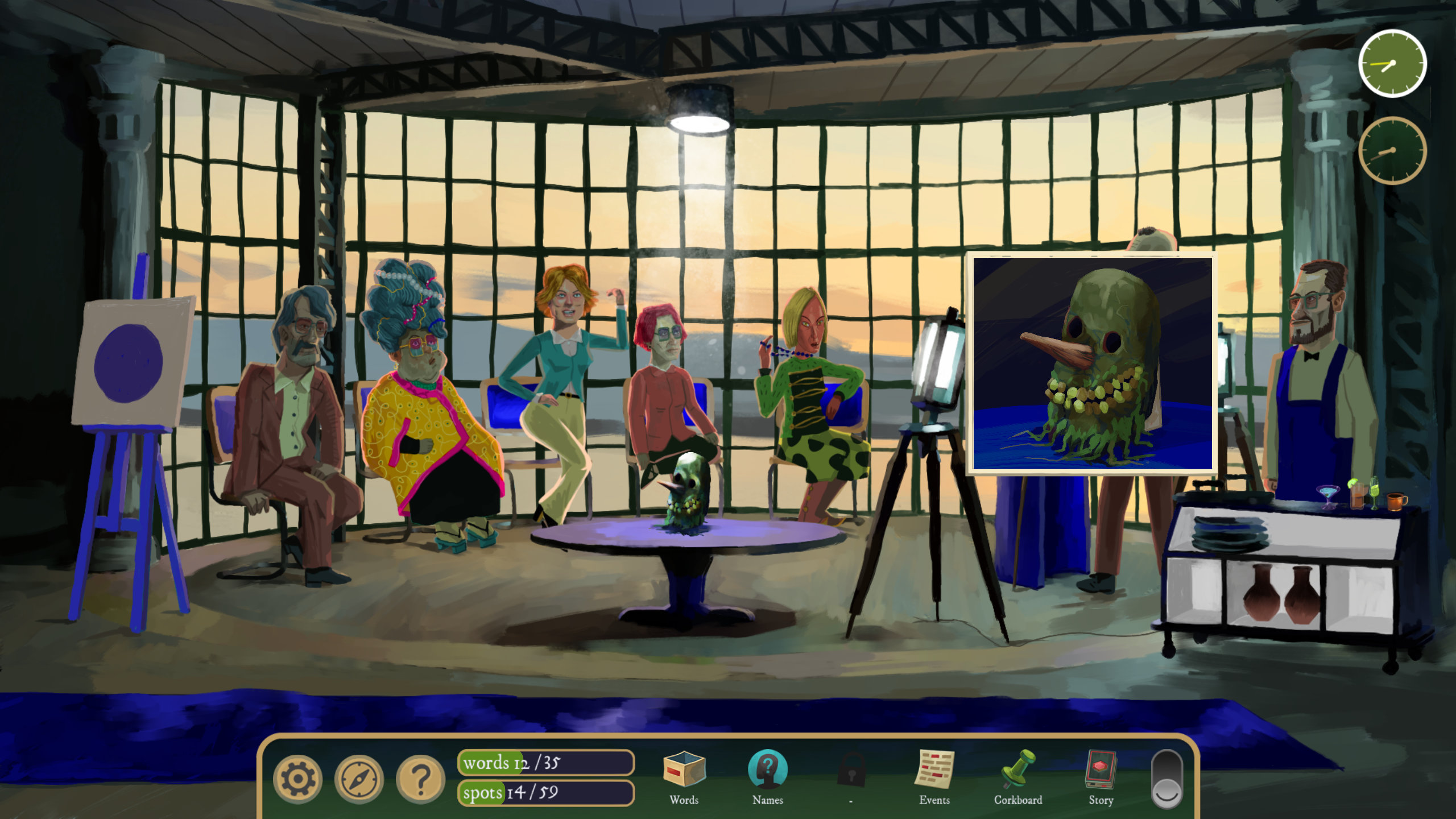
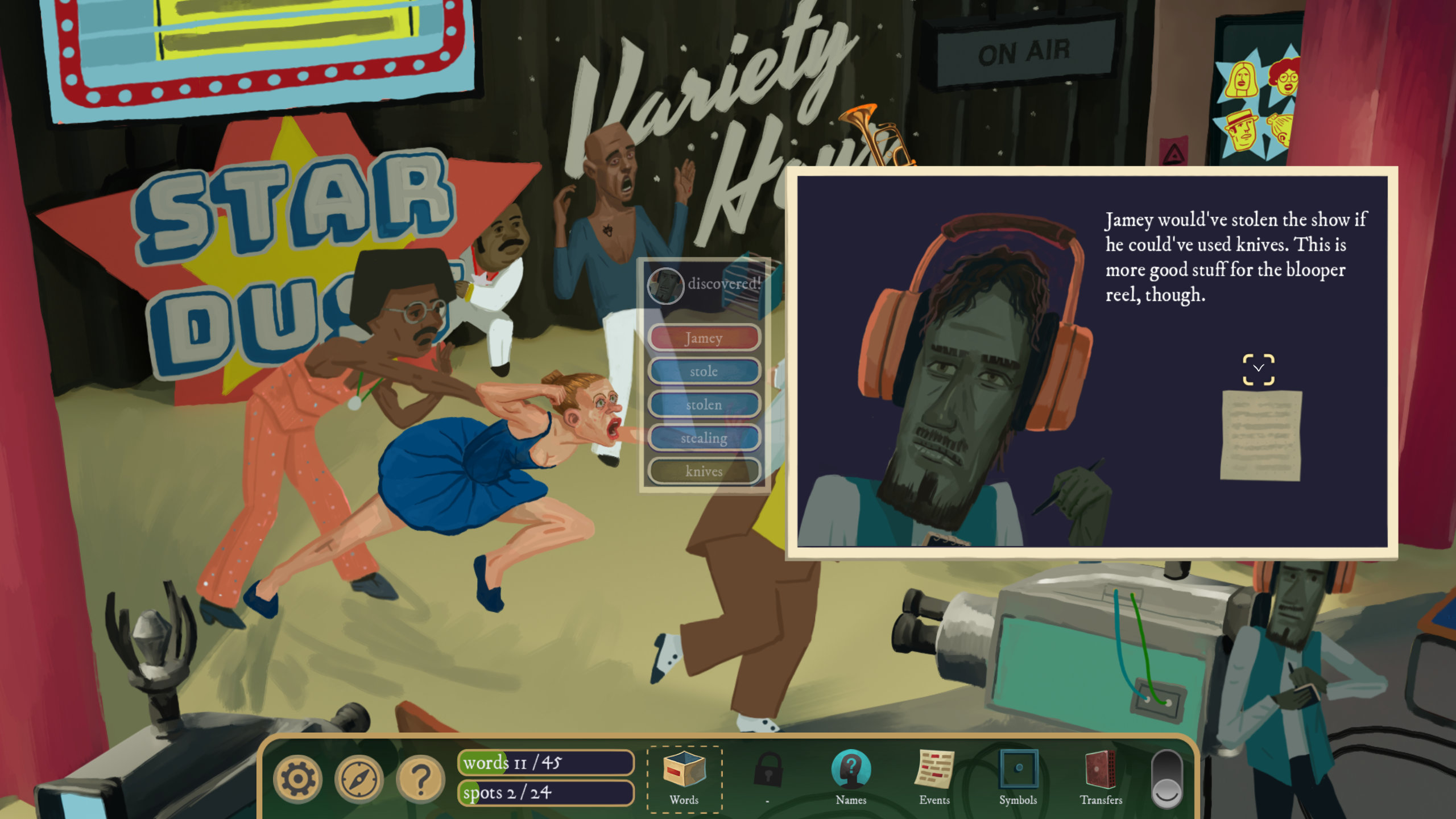
The main gameplay loop in The Rise of the Golden Idol is exactly the same as in the previous game, with just some minor tweaks and variations. You get a scene to explore and gather key words and then you must essentially show the game that you understood what happened by placing said words in the forms it provides. One huge change is that separate elements of the game can be toggled on and off and moved around the screen like windows, instead of having the “thinking” part of the game as one monolithic full screen interface. And another major change is that usually chapters end with their own forms that you need to fill that require you to summarize the entire chapter, that, in turn, often means you need to revisit the separate scenes to remind yourself of the specific details.
Which sounds great! The developers essentially wanted to keep the overall mechanics simple, while introducing a lot more complexity. Unfortunately, in practice this leads to a far less fun experience most of the time. Toggling different windows and moving them across the screen is quite frustrating, in reality, even if in the best moments it provides you with a good view where you can have the references and fill it in at the same time. The words, despite being categorized more clearly this time around, are often just a wall of text you constantly look through to find that particular word you must use for the game to understand that you understand. The end of the chapter forms are especially tedious, because you constantly need to switch between a lot of menus and submenus, waiting a bit for scenes to load, toggle elements… Almost everything about the game has a lot of friction that simply wasn’t there in the first title. So a lot of the times you figure out what happened and then begrudgingly spend a lot more time on just filling in the paperwork for the game to accept that you figure things out, long after all of the excitement of figuring things out have passed.
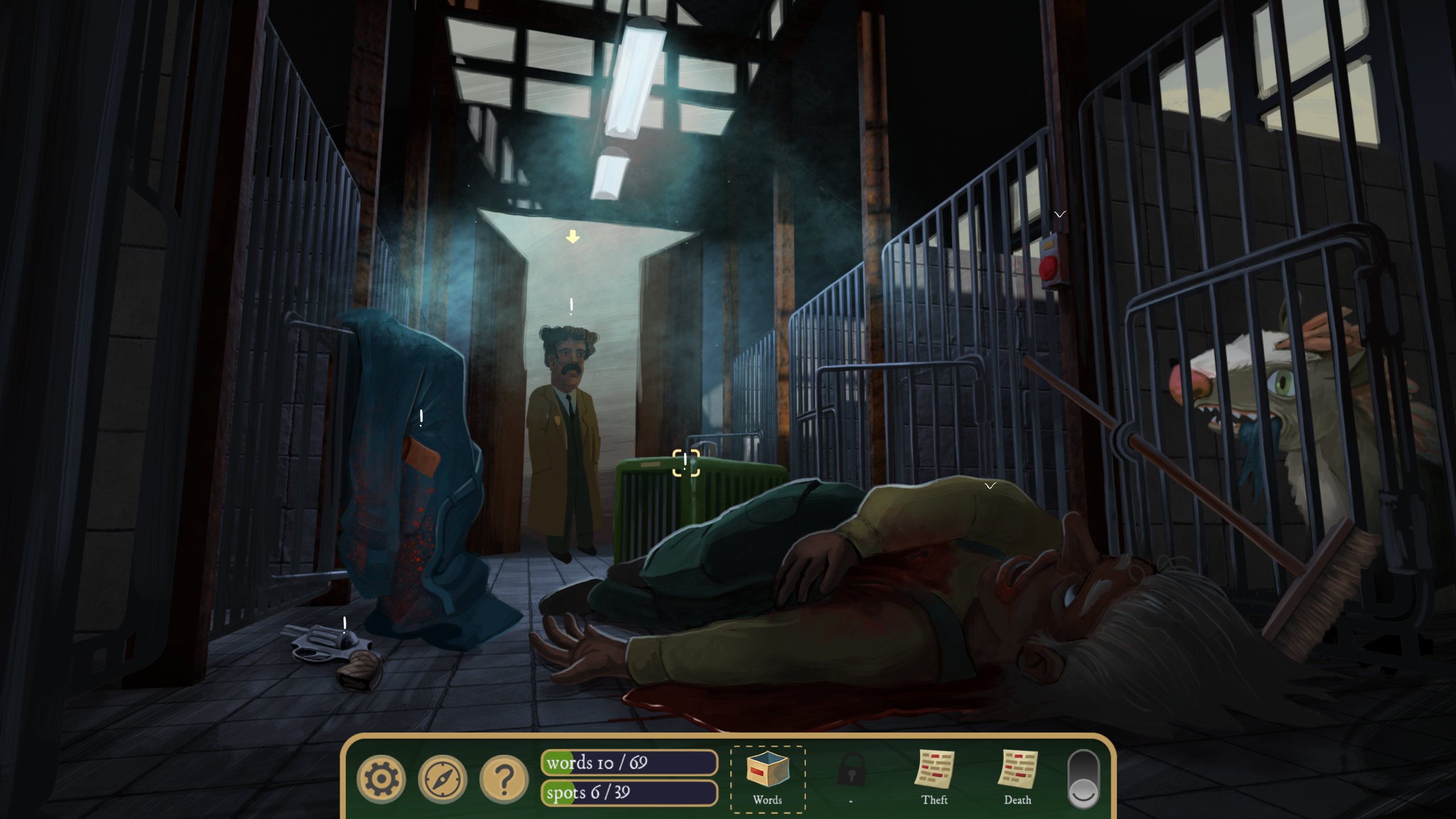
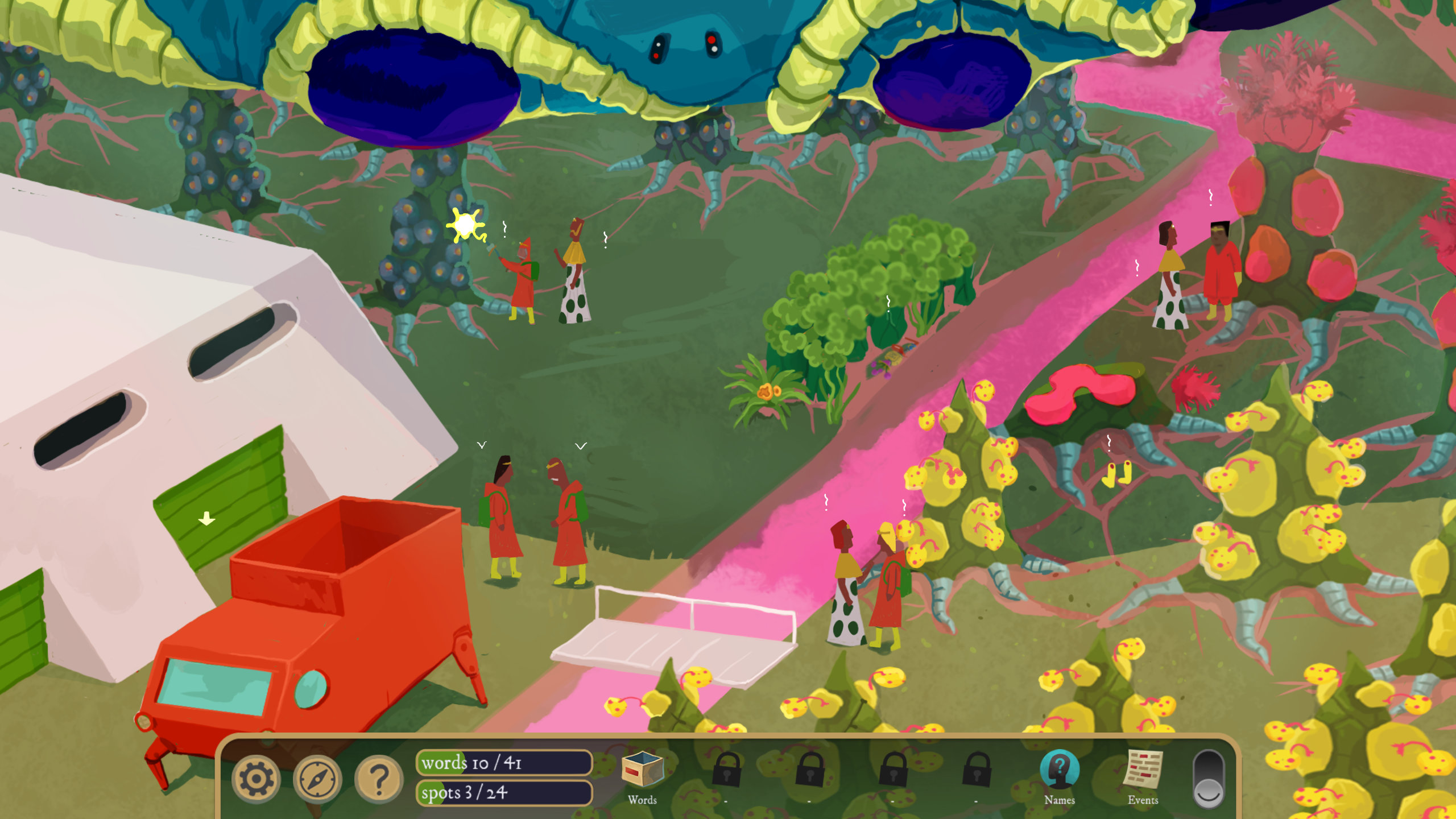
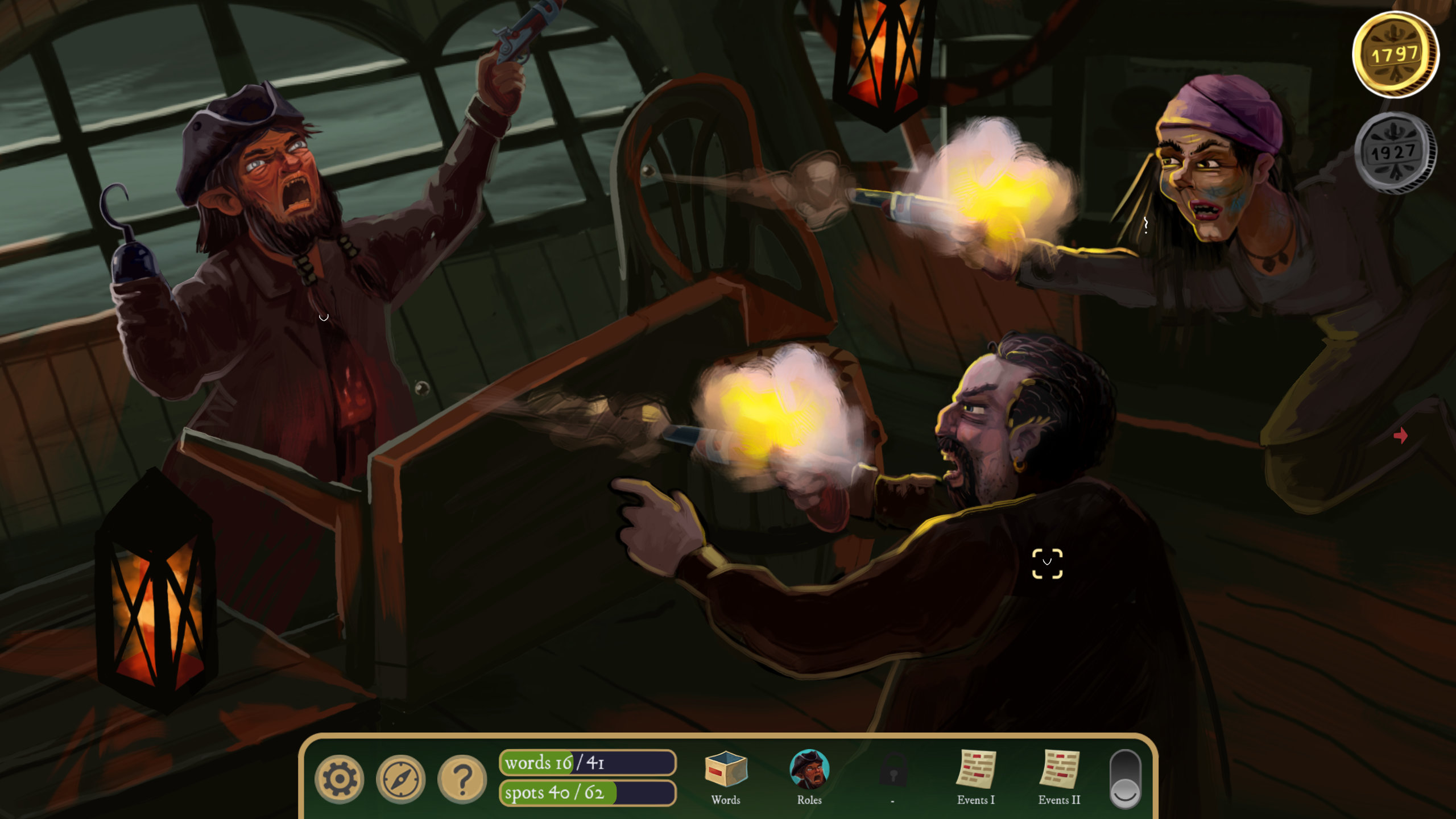
Plus, the plot this time around isn’t very satisfying. The opening chapters show promise, but then it just fizzles out and the final moments of the game don’t even feel like a satisfying conclusion or a revelation. And some of the twists stop being a “oh, THIS is what happened!” and become a “oh, so this happened? okay.” The DLCs of the “Detective Pass” aren’t better either and more or less continue the trend of the less satisfying second half of the game. The Sins of New Wells has good moments and atmosphere, but feels like it could’ve been a far more interesting story if that was the whole game, not one DLC chapter. The Lemurian Phoenix is just boring and confusing, because the story is told out of order for no good reason whatsoever. The Age of Restraint is another case of being better fit to be its own game, as what you get is too short for the story and world building it’s trying to create, but this time made more complex due to all of the new weird sci-fi terminology you must learn. While The Curse of the Last Reaper is just odd and barely has to do anything with the main game, even though it starts very strong. The last one also boldly copies Return of the Obra Dinn as one of the scenes, which showcases all of the issues of The Rise of the Golden Idol – the fact that you constantly need to switch between many many screens to get information you need.
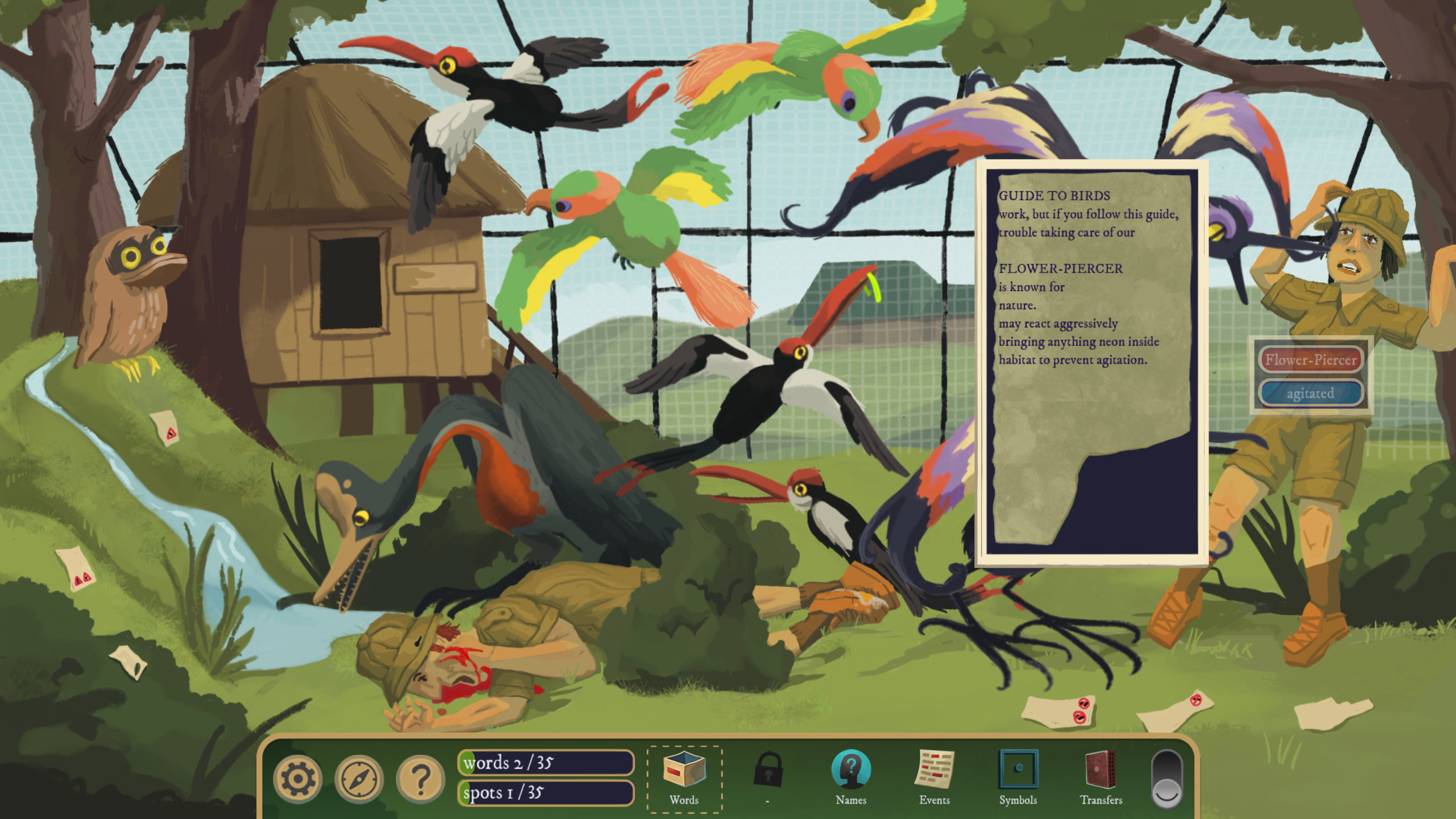
Despite being far more confusing and tiring than The Case of the Golden Idol, it’s still a solid game. The soundtrack in particular this time around is incredibly good and memorable, where in the first game it was just a good fit for the game. I would advise against grabbing the DLCs until you finish the main game, though, because you might realize it’s not working for you and those DLCs are more of The Rise of the Golden Idol, specifically closer to the more bloated second half of the game. I still feel like it’s a good example of the genre that is worth checking out, but I can’t help but recommend you play The Case of the Golden Idol first, as it was a far more enjoyable game.
Spelling error report
The following text will be sent to our editors: