Gears of War was quite an influential and important release. It paved the way for the cover-based shooters (while itself being influenced by Resident Evil 4), continued the popularity of cooperative titles while also fortifying the popularity of Xbox as the main console for multiplayer gaming. It became one of the main reasons for Unreal Engine 3 dominance during its era and turned Epic Games from a cool tech company popular mostly with PC multiplayer people into a household name. And is also a game I never particularly cared about. I played it in 2007 when it got ported to PC and found it to be quite tedious and, quite frankly, hideously ugly. After which I have proceeded to ignore the franchise right up until Gears 5, which I did play and enjoy. But it’s not like I was not curious about the other entries or even revisiting the original eventually, so I’m glad that a much better option now exists with Gears of War: Reloaded. A game that still uses Unreal Engine 3, but runs well on modern hardware and doesn’t look disgustingly greyish brown.
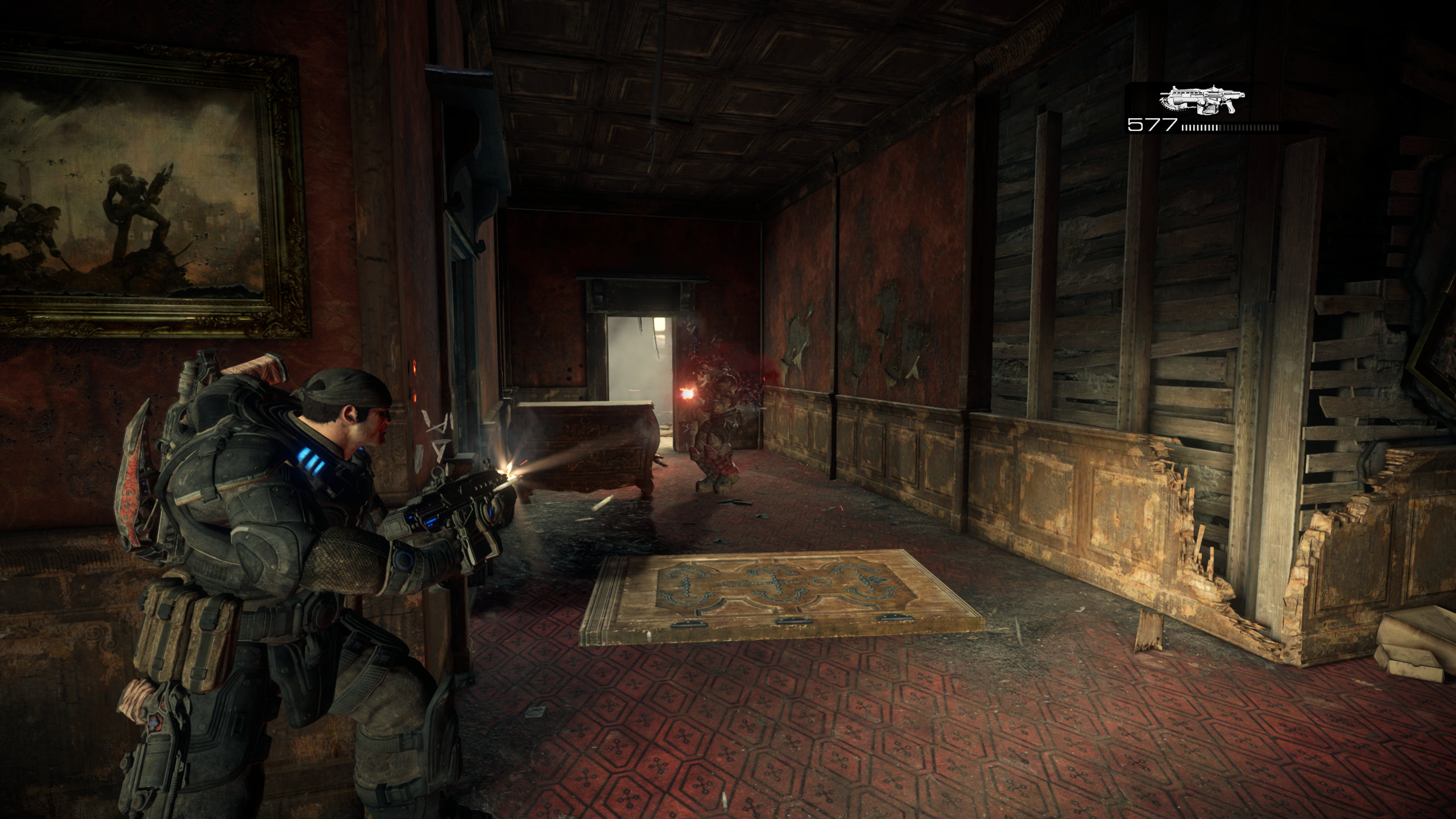
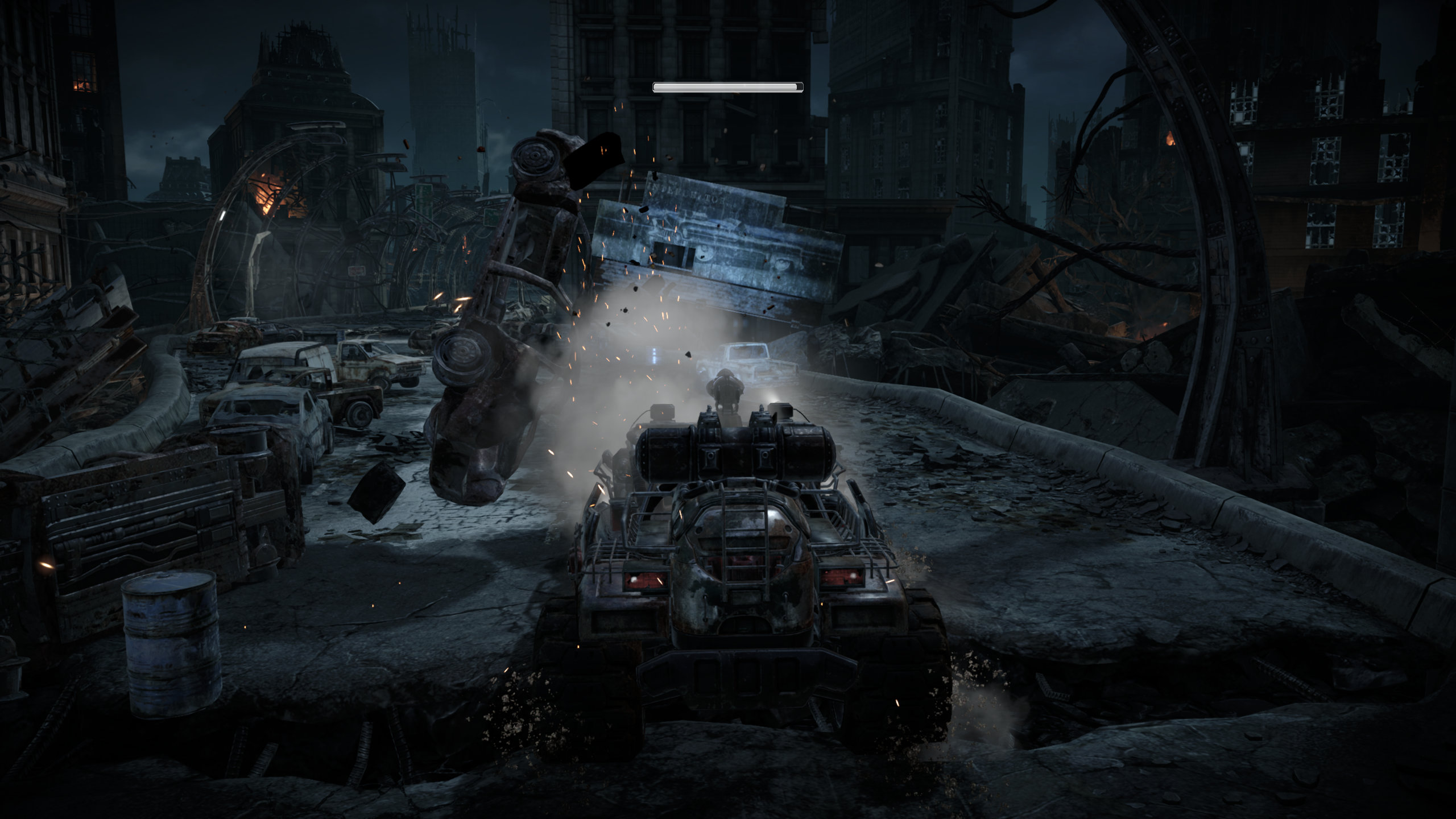
If you’re not familiar with what Gears of War is, which is likely, since the franchise did somewhat fall out of popularity in the past decade, these are third person shooters with a cover system and pretty big focus on cooperative and versus play. There’s not much more to the original game, really. The plot was simple and bigger world building was only implied at the time. And, really, for 2006 having a solid over the shoulder cover-based shooter was quite innovative enough.
This simplicity is possibly one of the biggest appealing elements of the game even today. You get a bunch of gruffy army dudes running in heavy armor and with chainsaws built into their assault rifles and pretending that none of this is Warhammer 40k. You play solo or in coop and kill enemies as you progress in a mostly linear fashion through levels. There is some smartly paced variety to it, with unique elements to every part of the game, so it’s not just shooting from behind the cover all the time. But nothing goes too far or too long. The game campaign itself is easily completable in around 6 hours. And you know what? That’s great. This well paced brevity is genuinely lacking from modern AAA releases.
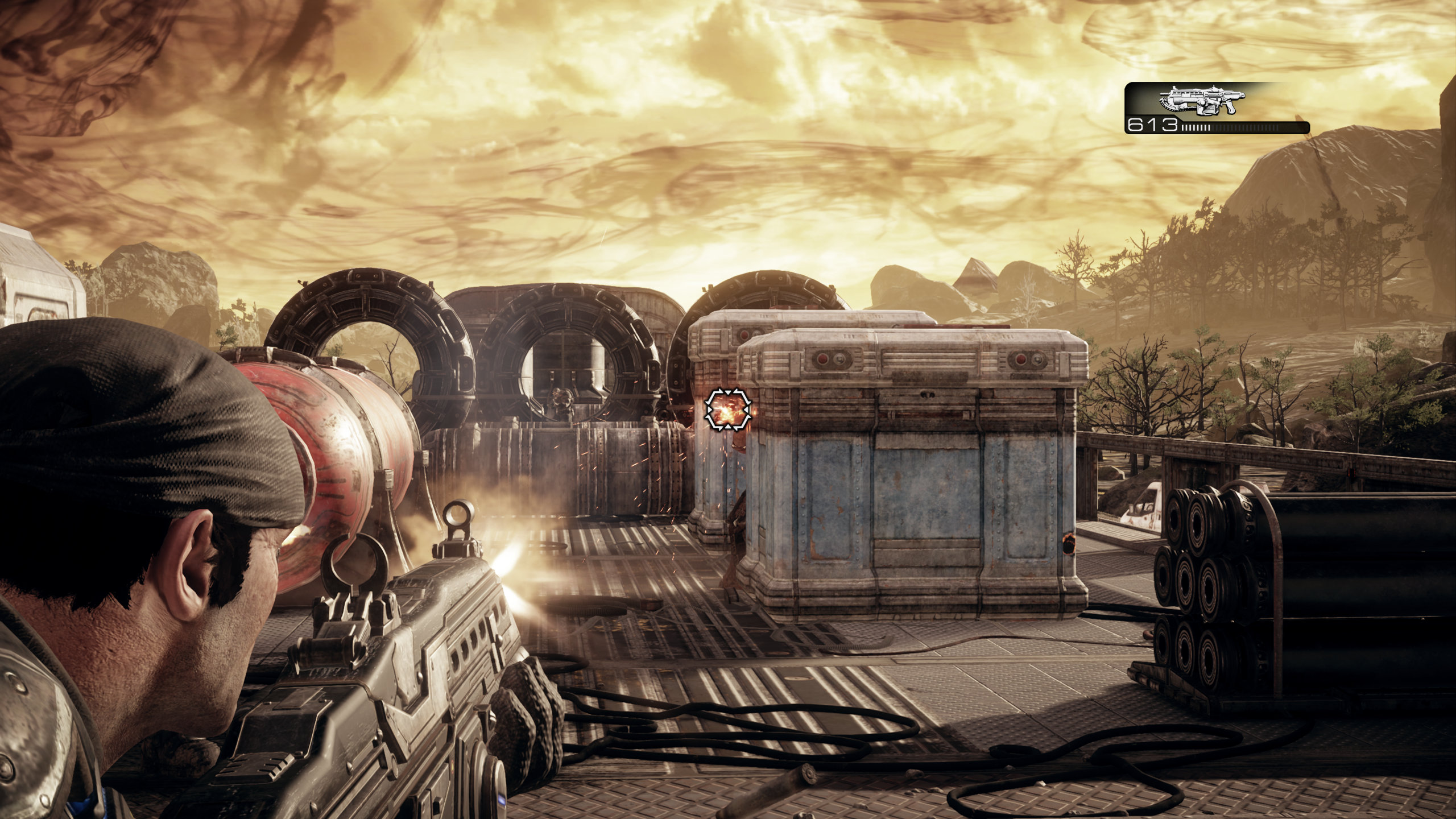
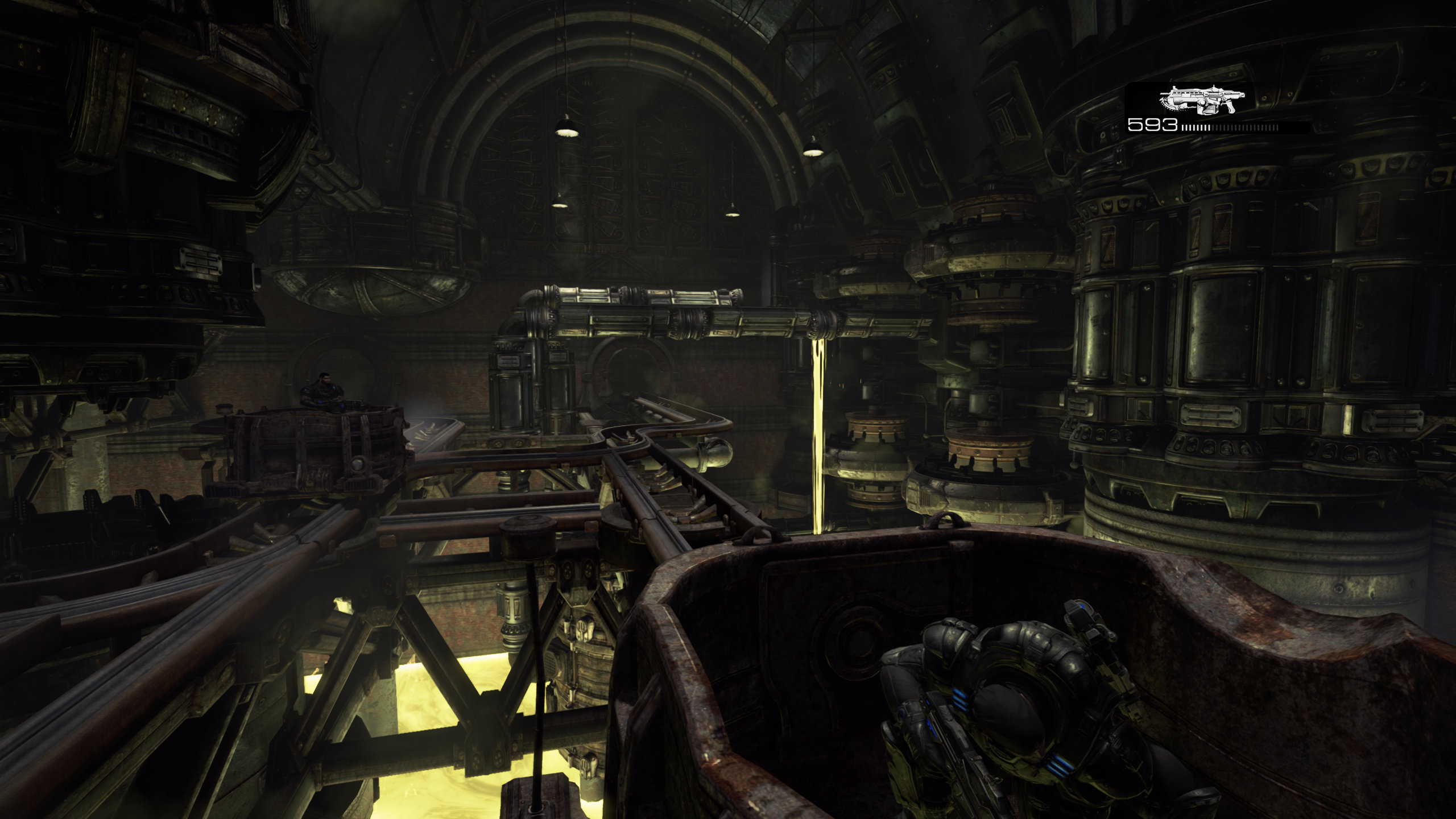
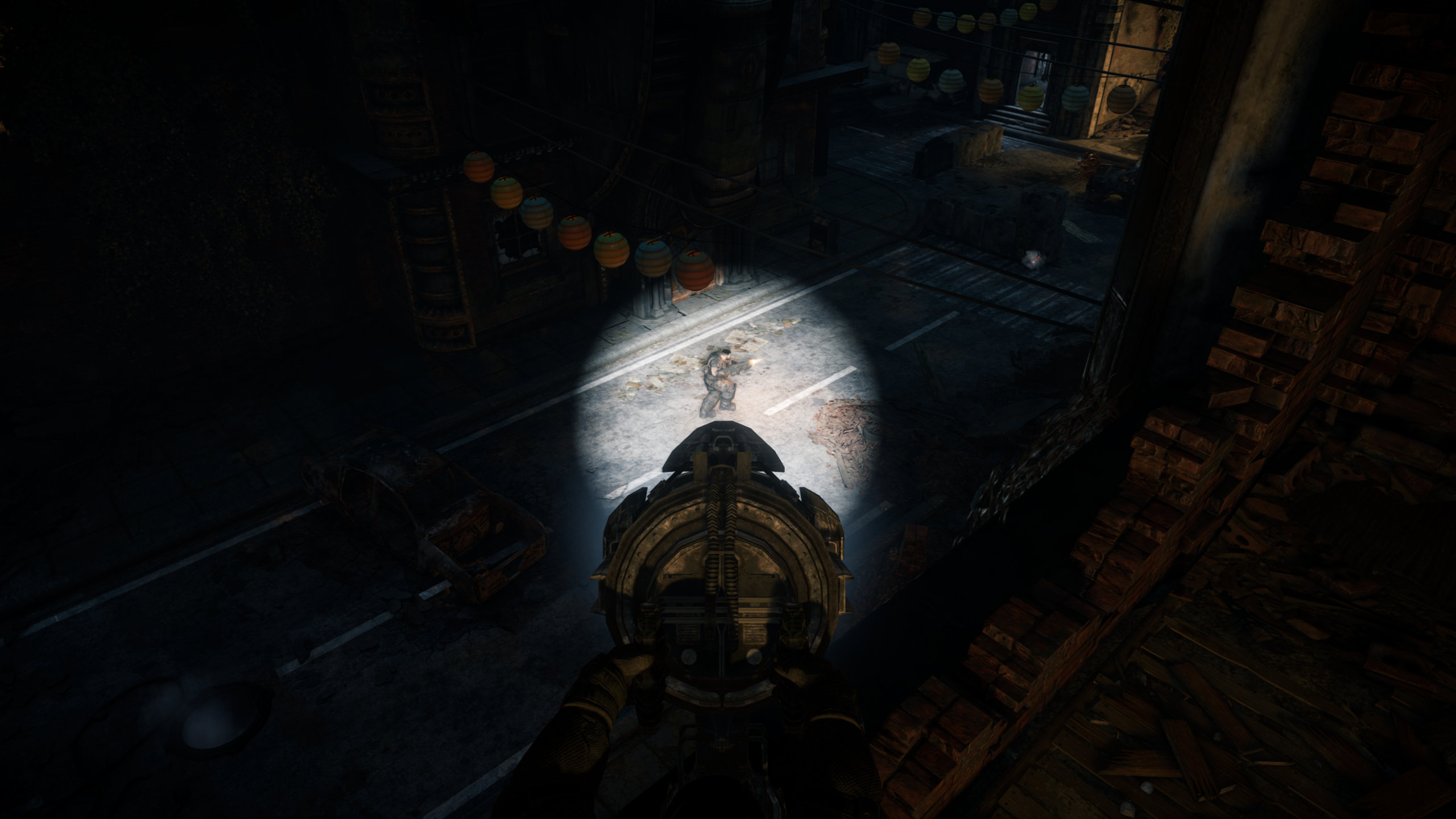
But of course, this simplicity can be detrimental too, depending on what you like and whenever you care about multiplayer aspects or not. I played the game solo and might coop some day, but I never cared about the multiplayer modes, so for me – this campaign is all the game has. And it’s enough. But for the others – maybe you would want more. Extremely popular Horde Mode, for example, was introduced in the second game, so even in this new re-release it’s absent. So, while I’m not the audience for that, I can see people feeling like this isn’t enough.
And even I feel that sticking to the original game so closely is a bit of an odd choice. Underneath the updates made in 2015 (Reloaded is a remastering of an existing remastering release called Ultimate Edition) and updated further for 2025, you still get the game made in 2006. Which, as mentioned, is quite solid even for modern times, but also does contain really silly elements and cut corners that could easily be improved or updated for today. Enemies visibly spawn out of nowhere or drop down through solid roof, partner AI can be unbelievably stupid and unhelpful, some level sections transition with a visible cut to hide the loading. It all feels so quaint now and without me having any nostalgic feeling towards the original, I don’t get why it wasn’t changed. But it doesn’t bother me that much.
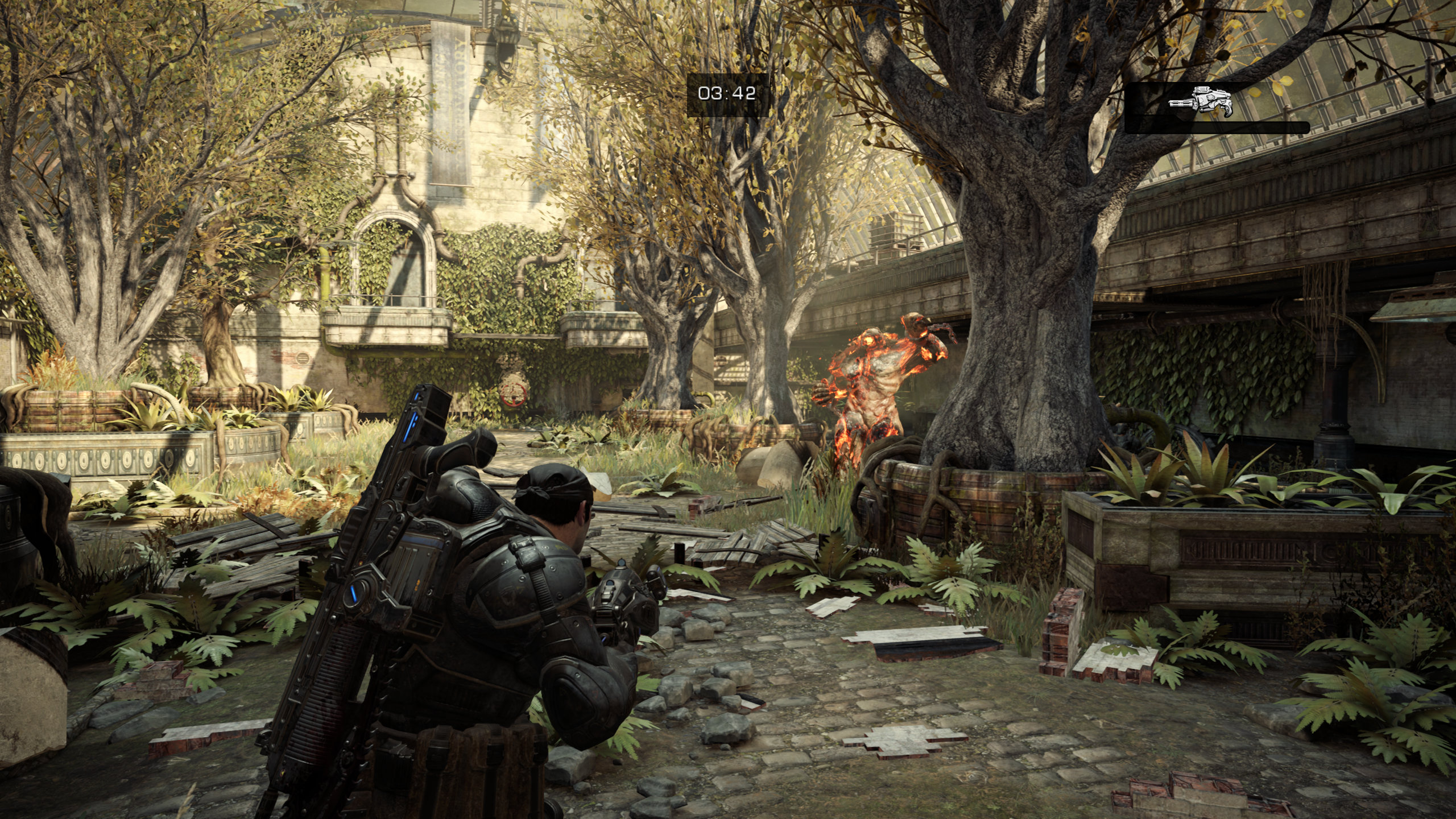
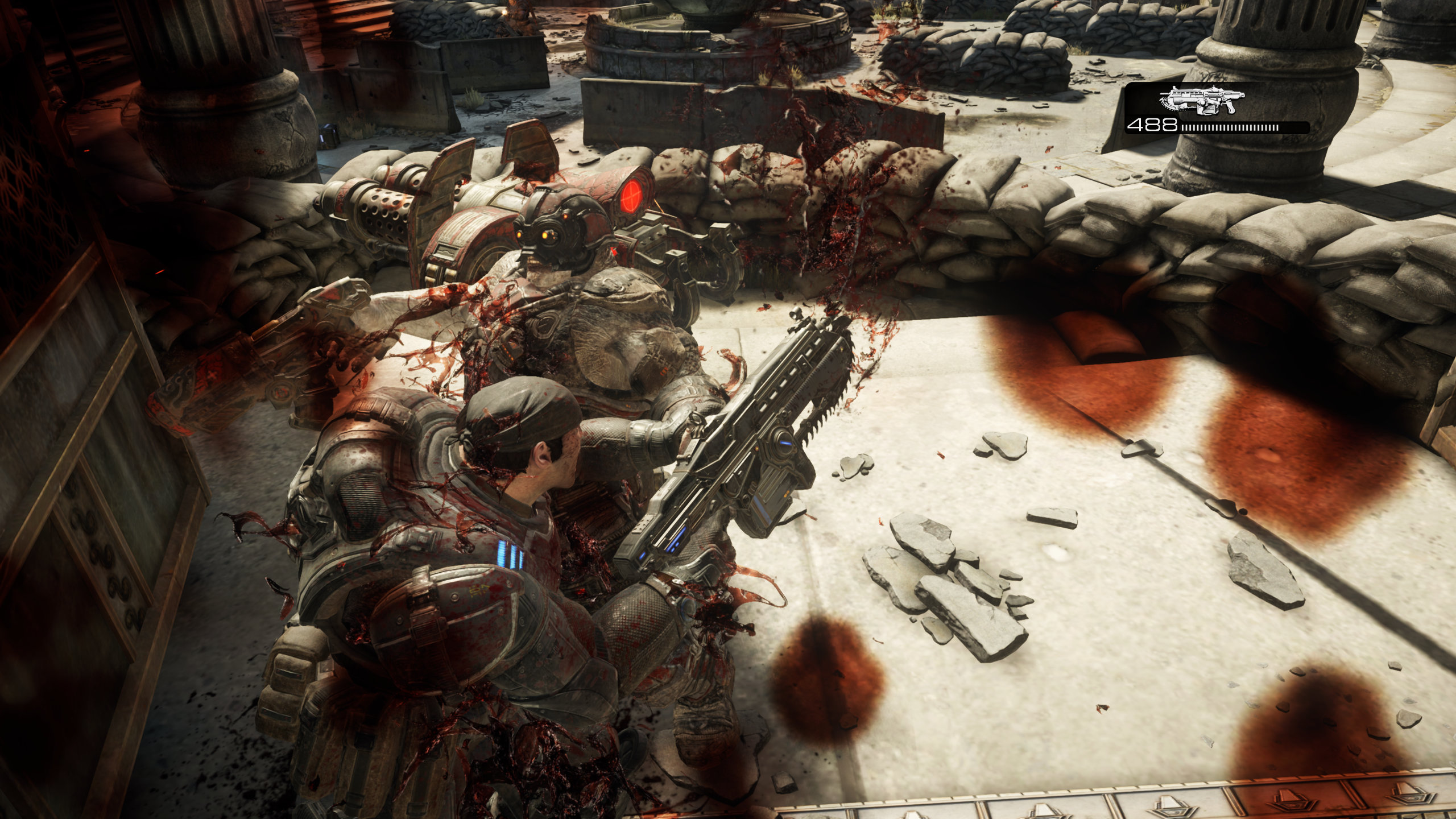
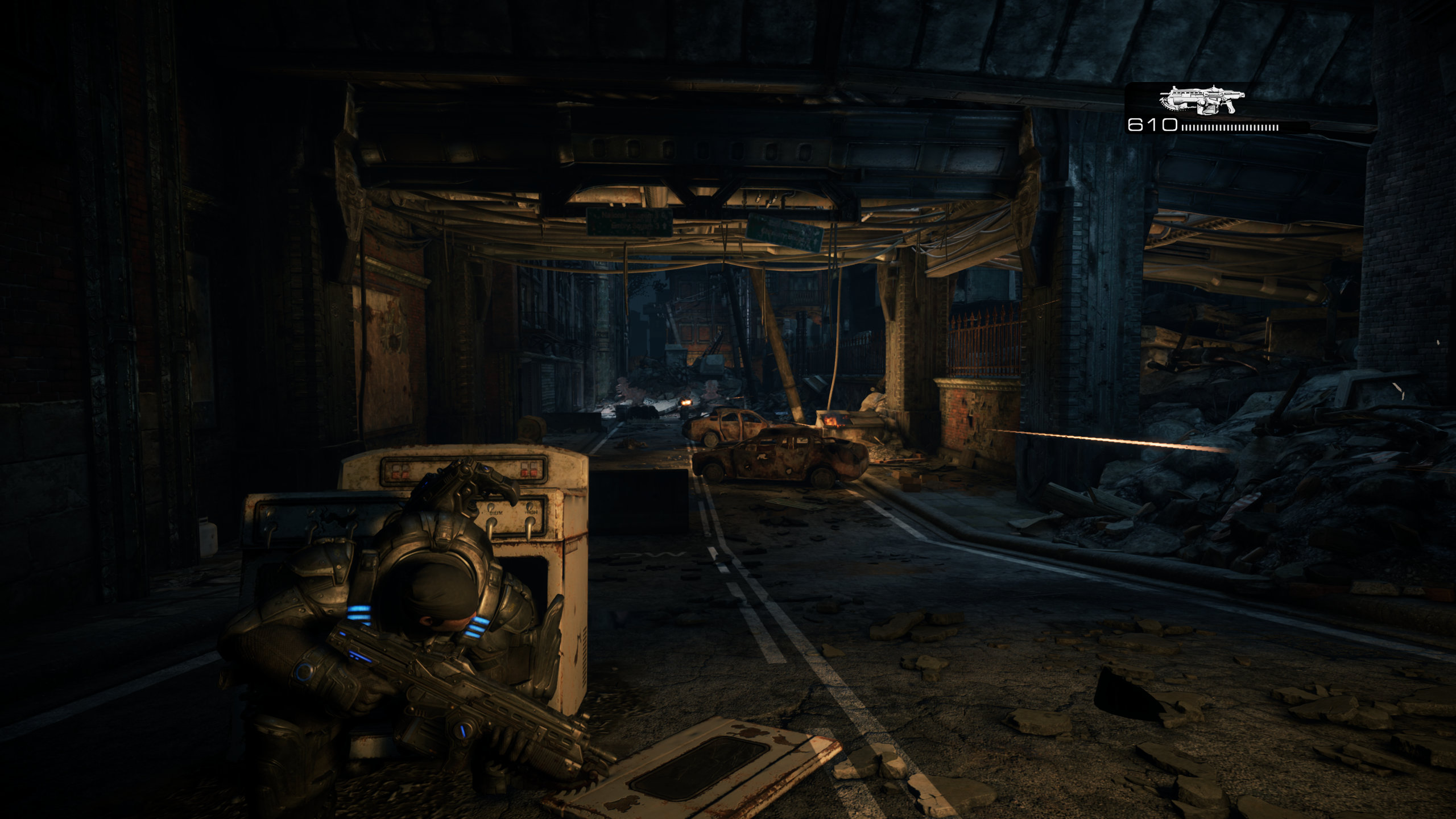
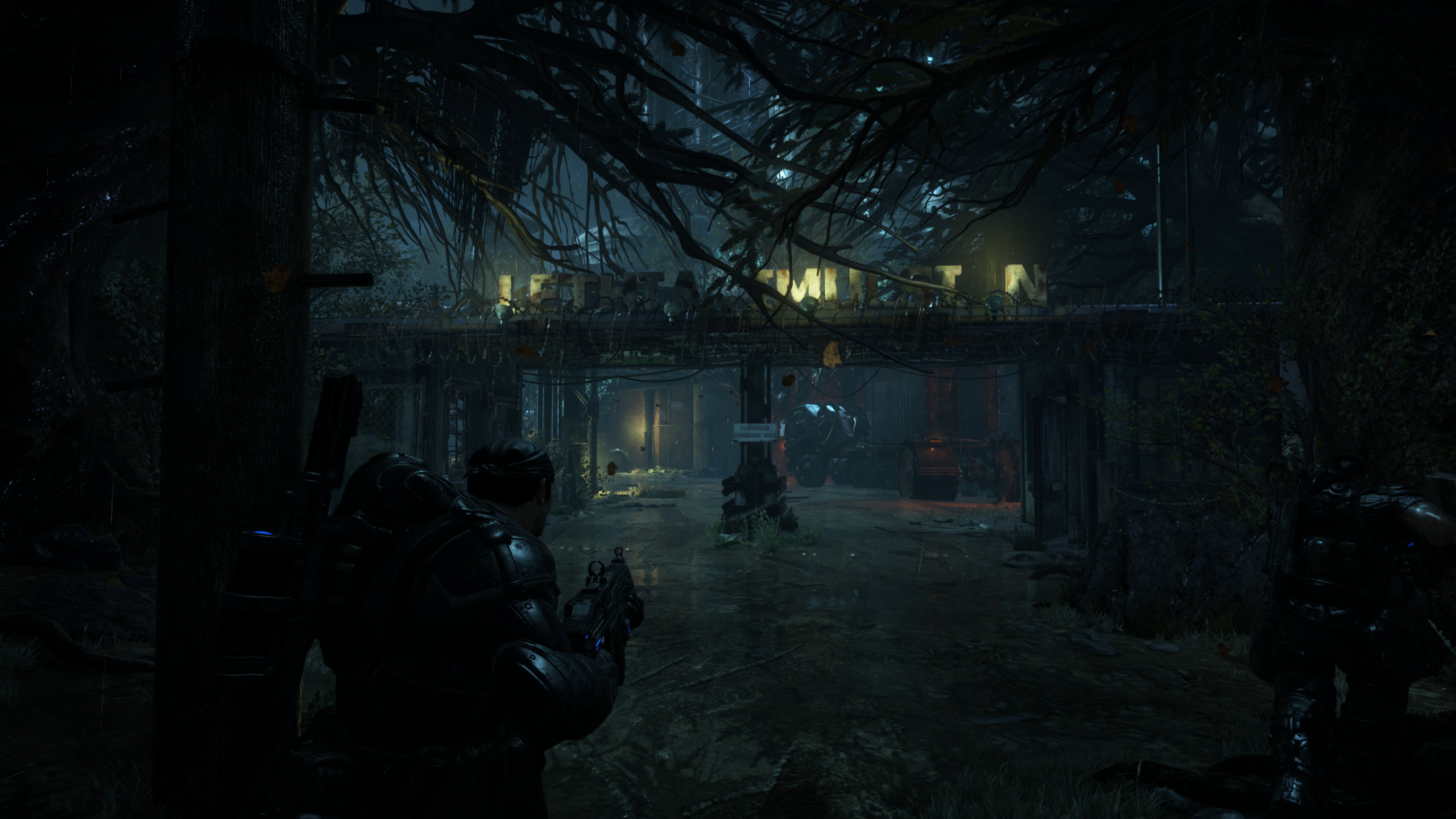
I have enjoyed Gears of War: Reloaded a lot more than I did the original game. But also quite a bit less than Gears 5. I was glad to see that a lot of the gameplay sections are still very well designed and that the game is no longer hard to look at. But I can’t say that it could’ve turned me into a Gears fan. I’m quite a lot more curious about if the sequels and spin-offs can get similar treatment instead.
Spelling error report
The following text will be sent to our editors: