
When all of The Elder Scrolls titles became available digitally on GOG and Steam, I’ve bought all of them. Except Oblivion. Oblivion was, and will remain, the only title I’ve refused to buy again out of principle. Because I found the game to be impossibly boring. But people love Oblivion and bring it up from time to time, singing it praises, sometimes purely ironically because of how silly the game can be. So I did consider revisiting it some day, getting the game digitally after all…
Except, now I don’t have to because The Elder Scrolls IV: Oblivion Remastered exists. And while I still find the game not particularly fun, Remastered version does make it quite a bit more enjoyable.
Let’s talk context for a bit. While Arena and especially Daggerfall were big hits, it wasn’t until Morrowind that the series went huge. Partially, due to the release on the original Xbox, partially, due to the fact that popularity of RPGs in general was on the rise at the time. And while a lot of the ideas and mechanics from Daggerfall were still recognizable, Morrowind became the beginning of the “modern” era of the franchise and its world lore. For Oblivion, the developers wanted to push the simulation of the world much further. It was another popular concept of the era – making the “goal-oriented AI”, where NPCs and enemies could play the game without direct player involvement and provide completely unique experience for different players. Probably, the other most famous example developed during that time was released much later – S.T.A.L.K.E.R.: Shadow of Chornobyl, where one of the major ideas during development was allowing other characters in the game complete quests and even finish the game before the player does.
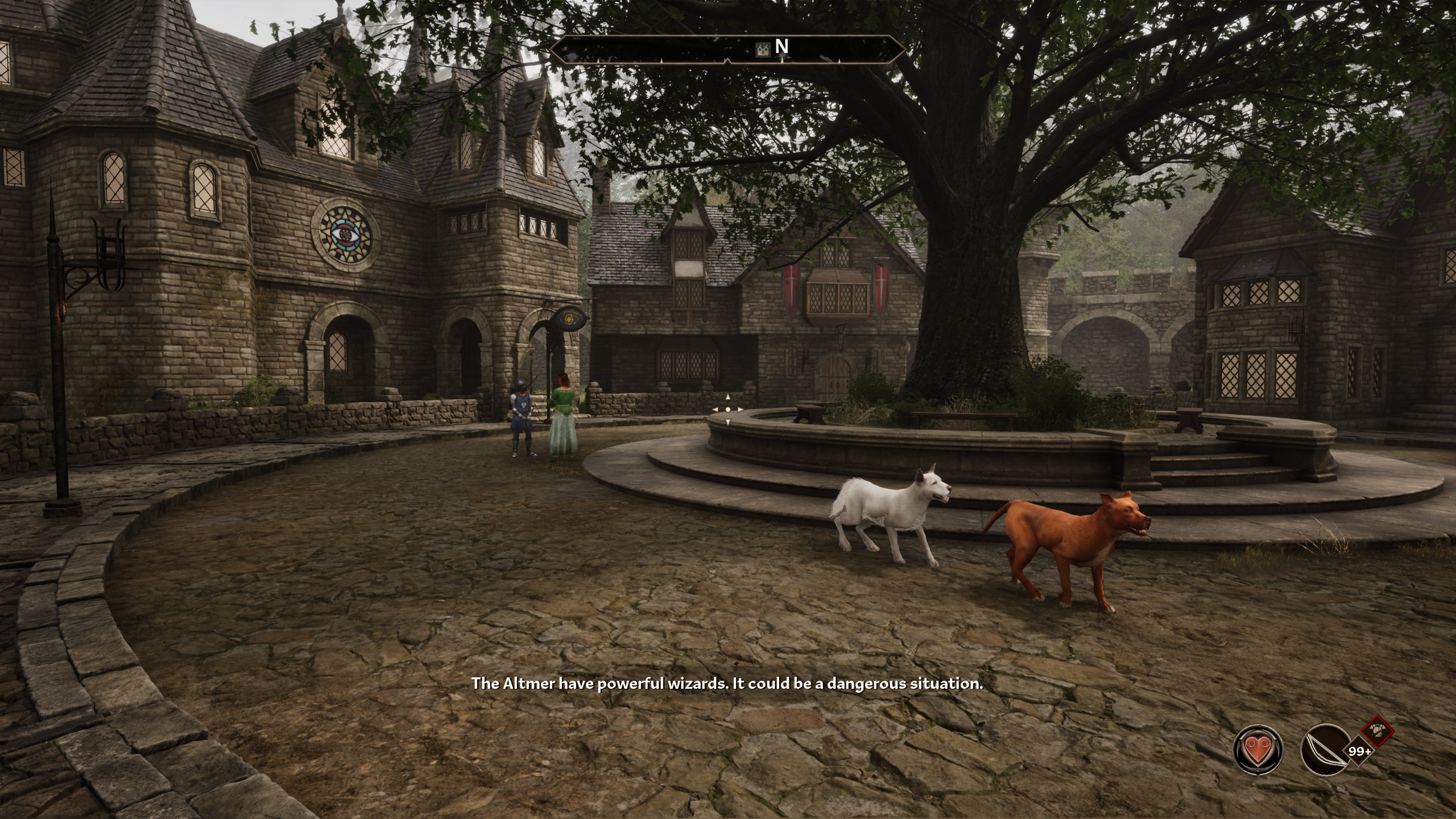
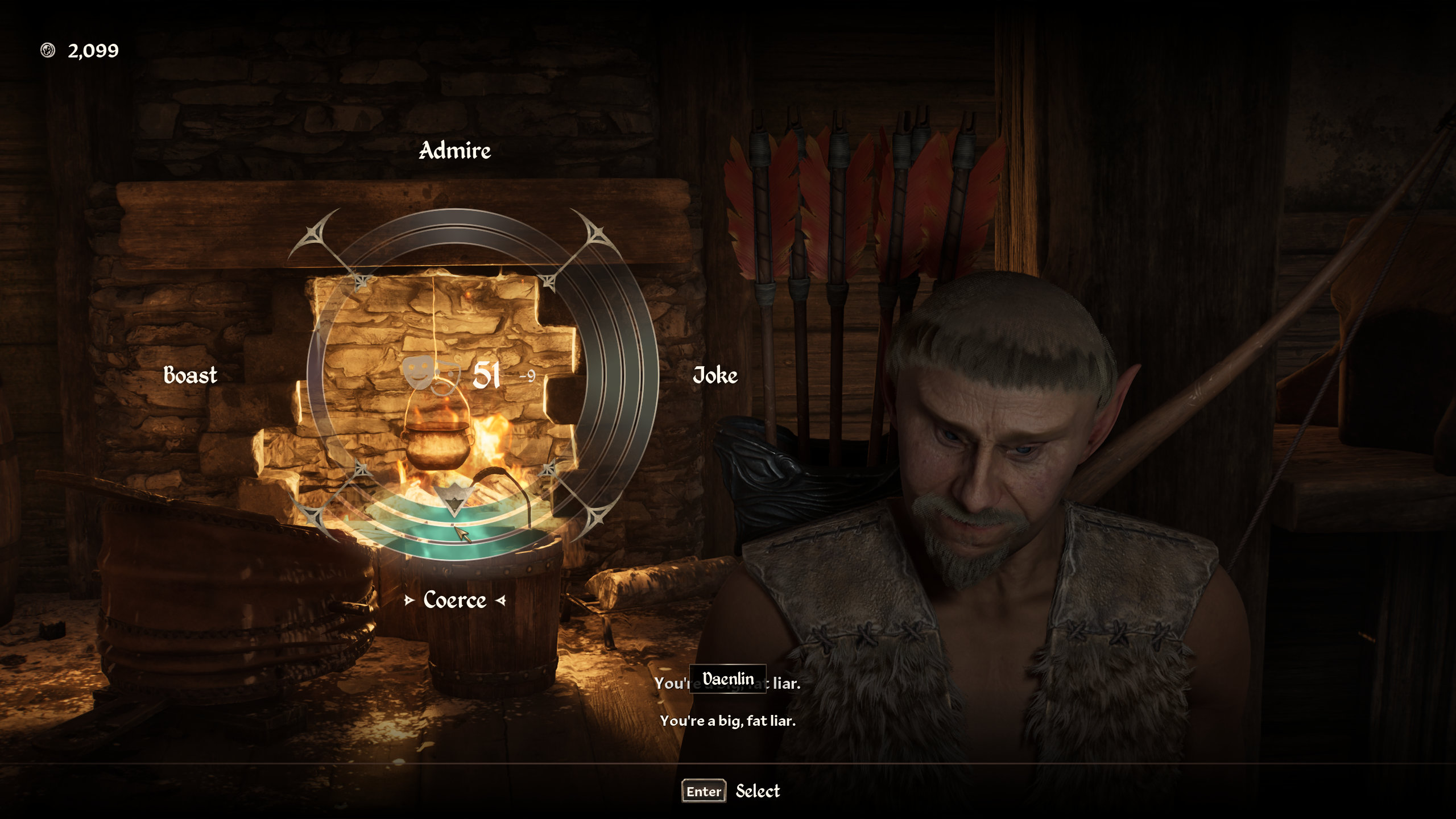
But if that all sounds difficult to marry with the scripted storytelling, it’s because it is. And Oblivion with its “Radiant AI” was having lots of troubles during development because of how unpredictable the storylines could get the longer you played the game, making some quests almost impossible to complete. So a lot of restrictions had to be put on these systems relatively late into development, which lead to the ever popular videos about just how crazy the NPCs in the game can sometimes be. Later titles from Bethesda handled this idea differently, making the Radiant AI a lot more subtle, whereas in Oblivion it is often too blatant for its own good.
With context aside, if you aren’t aware of The Elder Scrolls, you’ve probably lost me already. The main titles in the franchise are first person (with third person camera available in later games) RPGs in huge open worlds. They are connected via an overarching world story, but do not require prior knowledge to play, especially since all games so far have explored different parts of Tamriel (the main continent of the game world). These titles tend to have a lot of action, but do features some social elements beyond getting quests and provide several distinct ways of roleplaying a character. With their underlying system of skills and attributes being based around the idea of “the more you do something, the better you get at it”, instead of relying on abstract concept of “experience”.
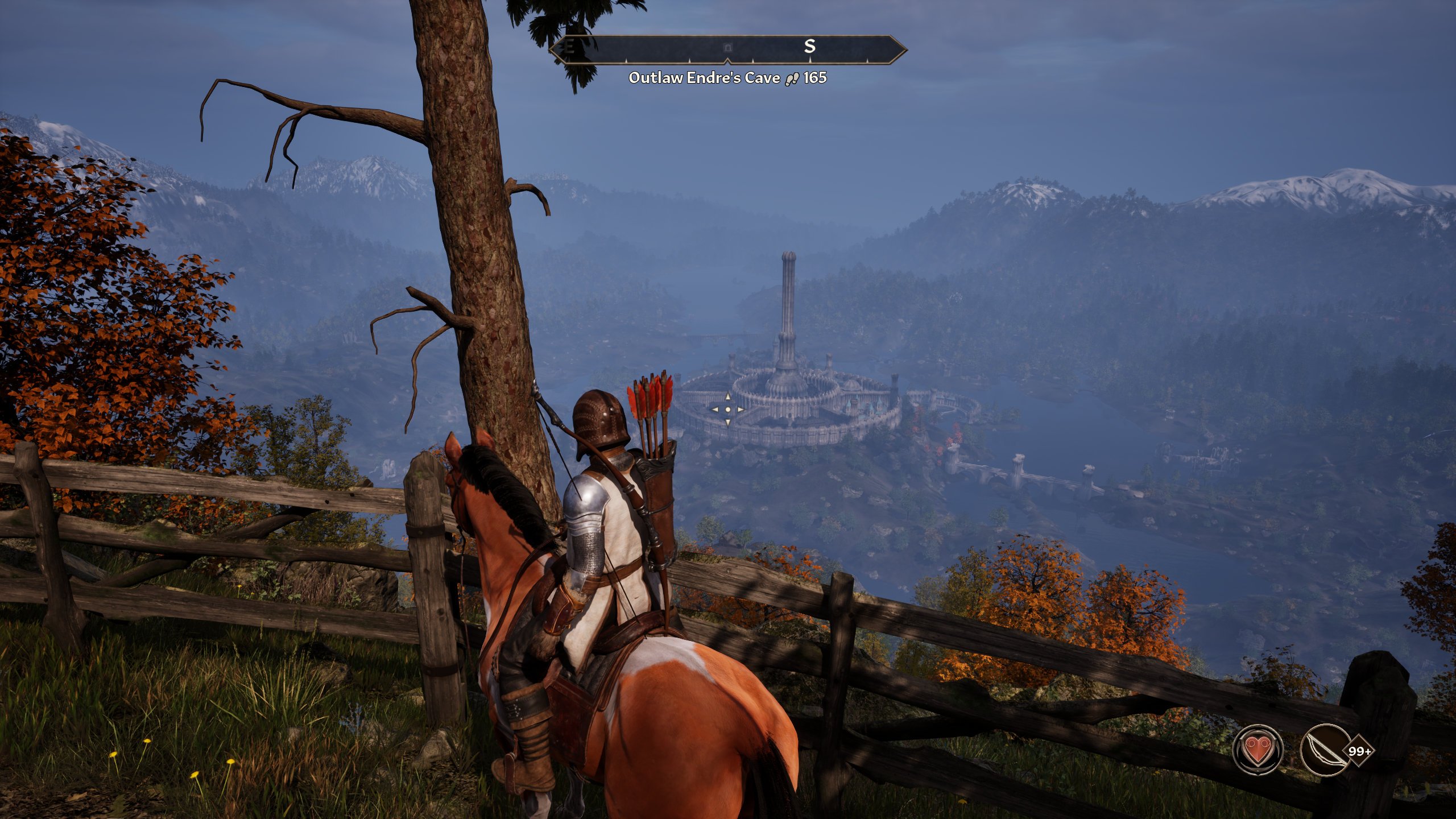
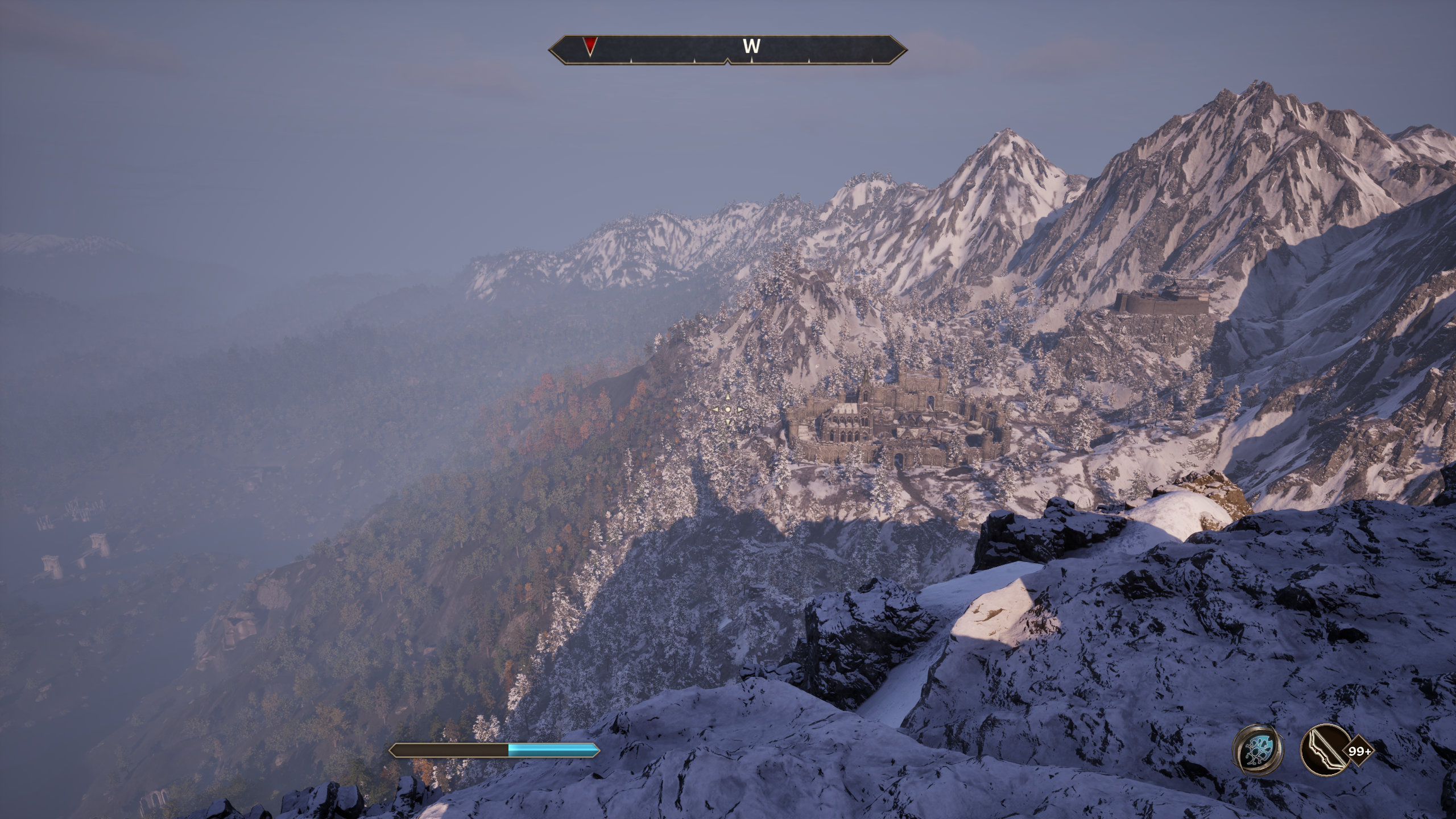
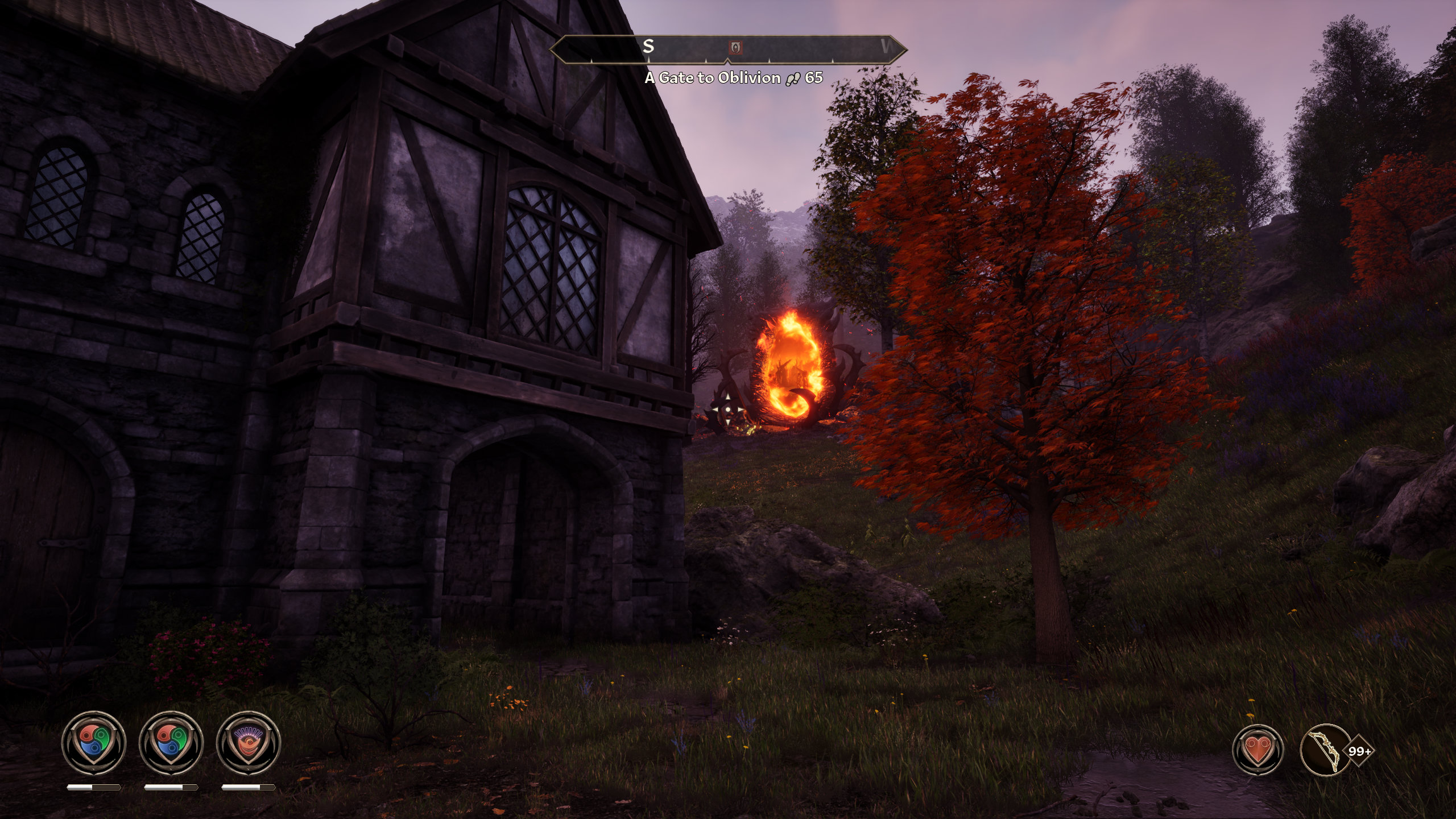
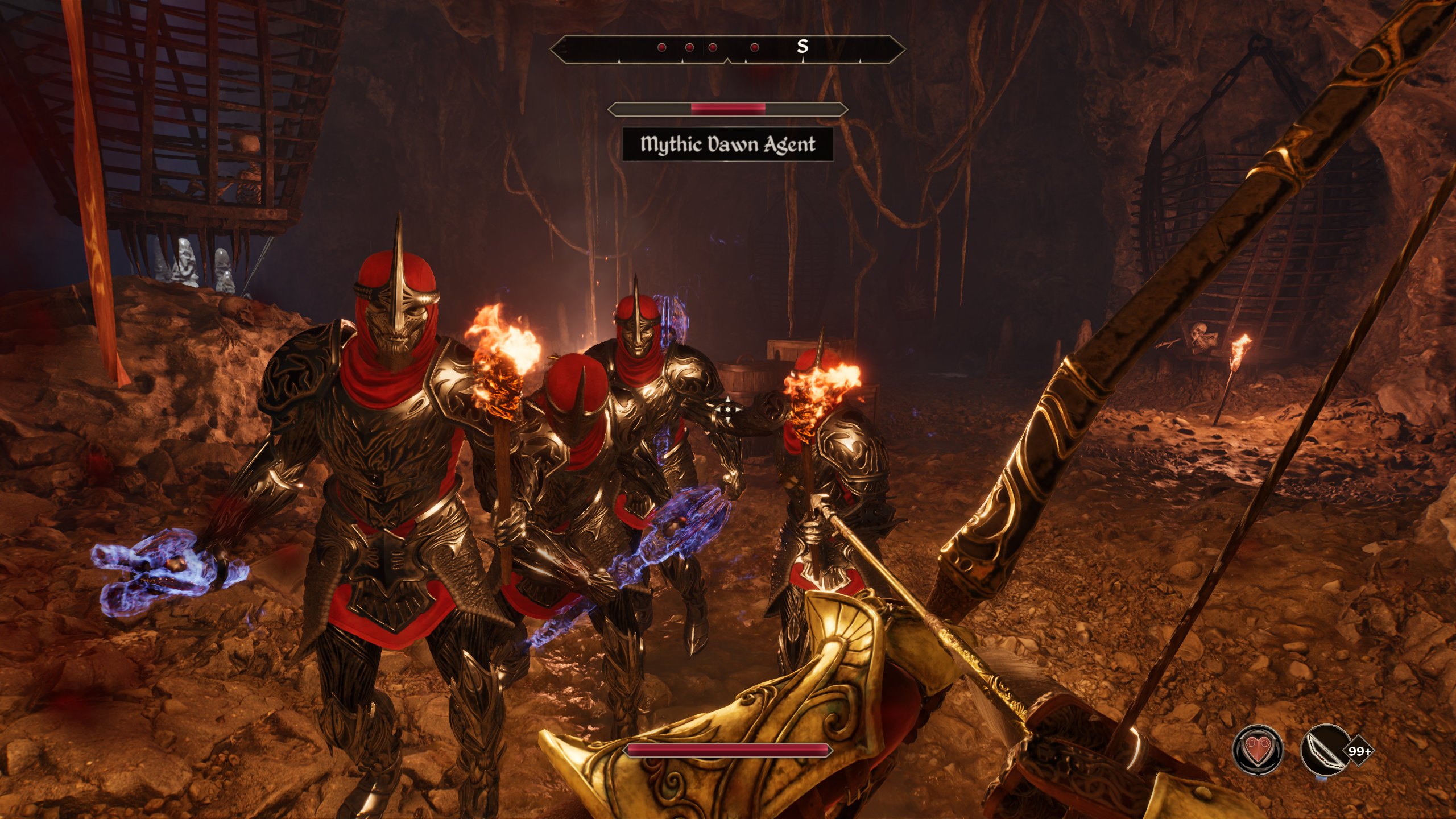
And up until Oblivion, the “intended” experience with the games have been to focus on “your way of playing”, with lots of things you could do, factions you could join, being mutually exclusive with other options. Oblivion became the first template of the modern Bethesda game, where the “intended” way of playing was to become everyone and do everything. Join all factions, do all quests, become a master mage, thief, fighter, assassin – whatever you want. And very few things could permanently lock you out of other options. Which they didn’t handle well, if I’m completely honest, as it lead to the overall “generic” feeling to many things you could do in the game.
Another aspect that didn’t help was how leveling of enemies was handled, as while you could gain levels and get better at things, enemies were extremely tightly rubber-banded to your progression in how dangerous they were. Which meant that the original game rarely felt as if you were improving at all when it came to combat, because the fights always felt exactly the same and lasted exactly the same amount of time. Plus, it was very easy to “level up incorrectly” depending on what your character were, leading to an even more frustrating experience.
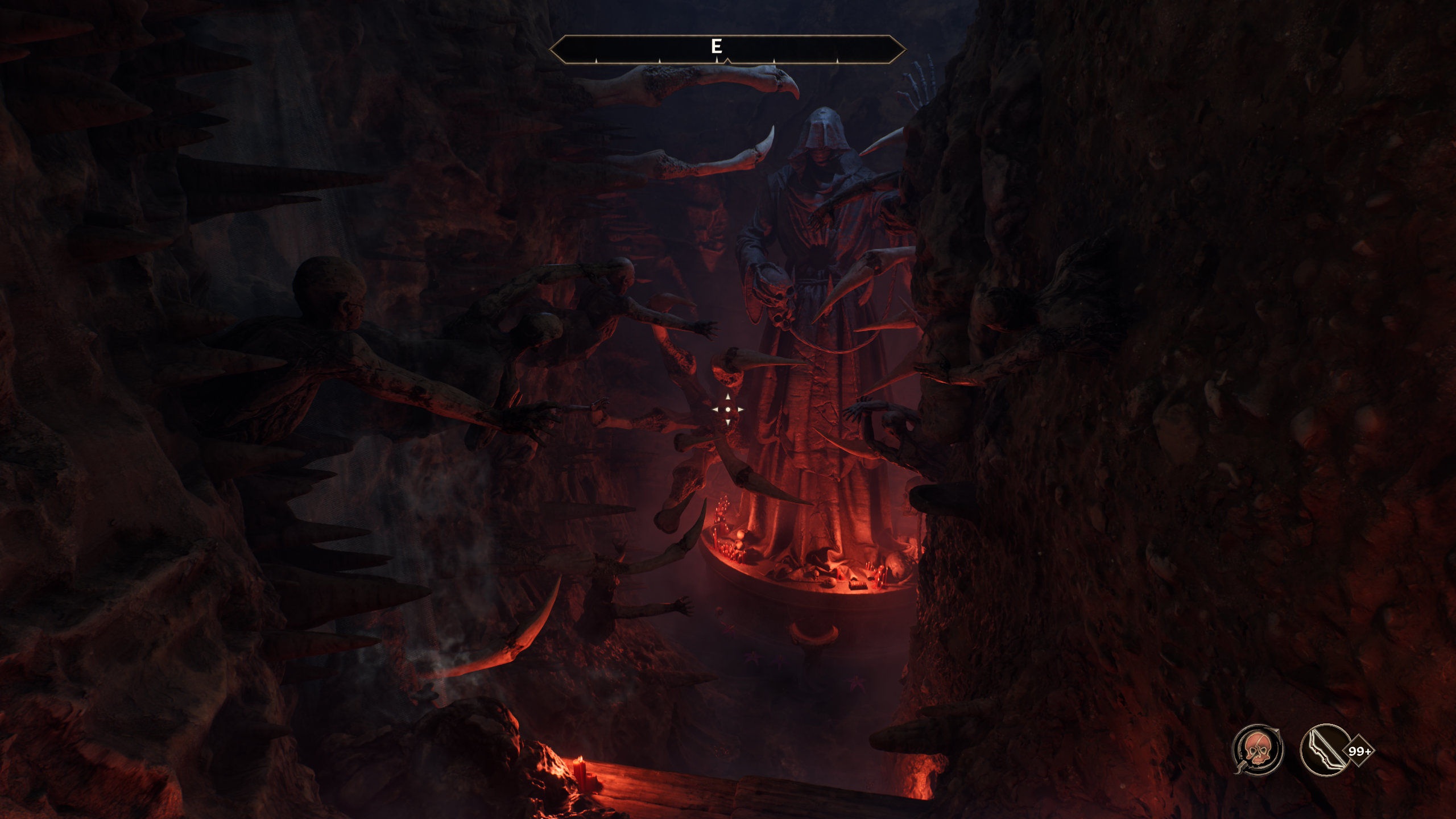
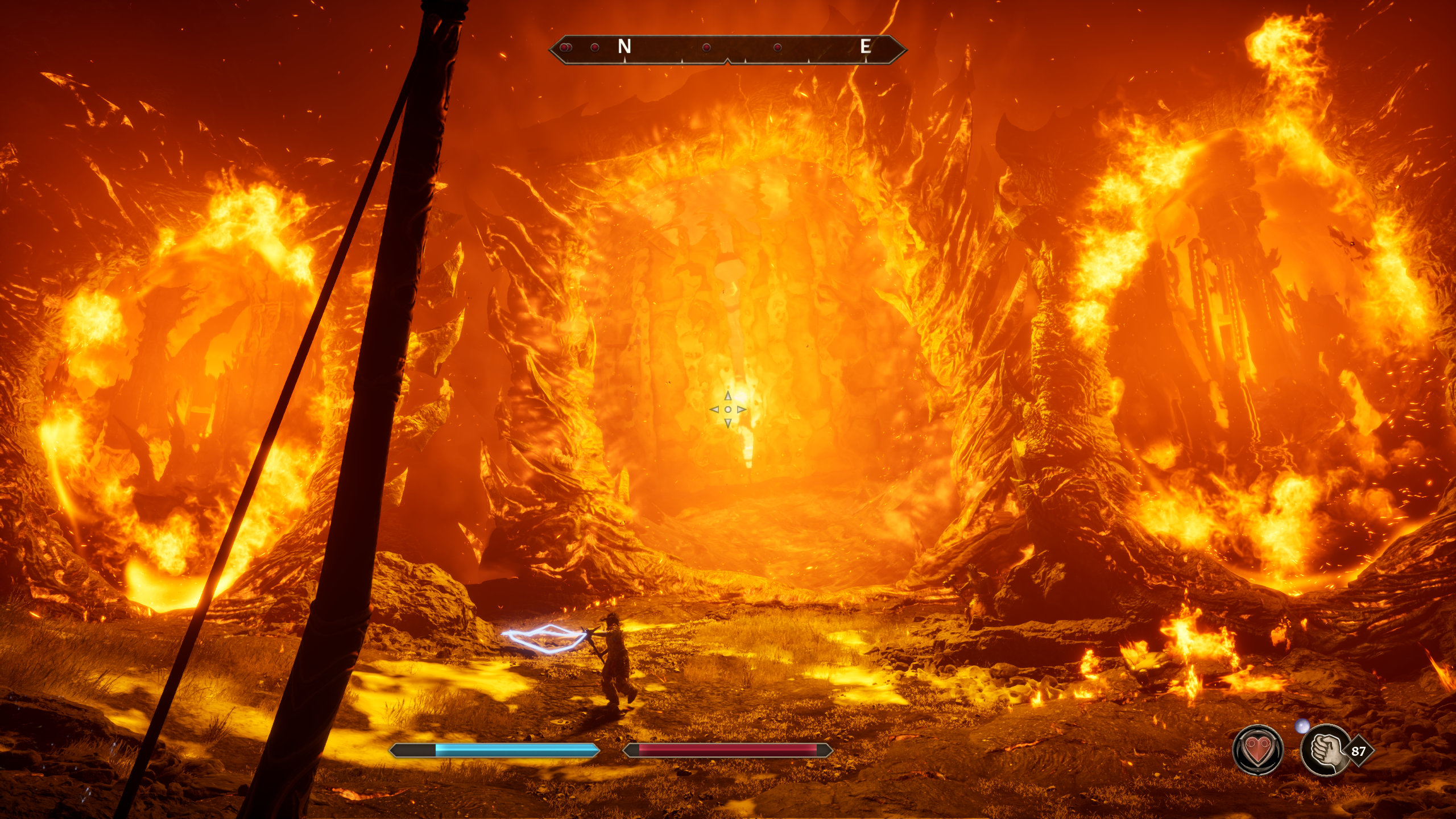
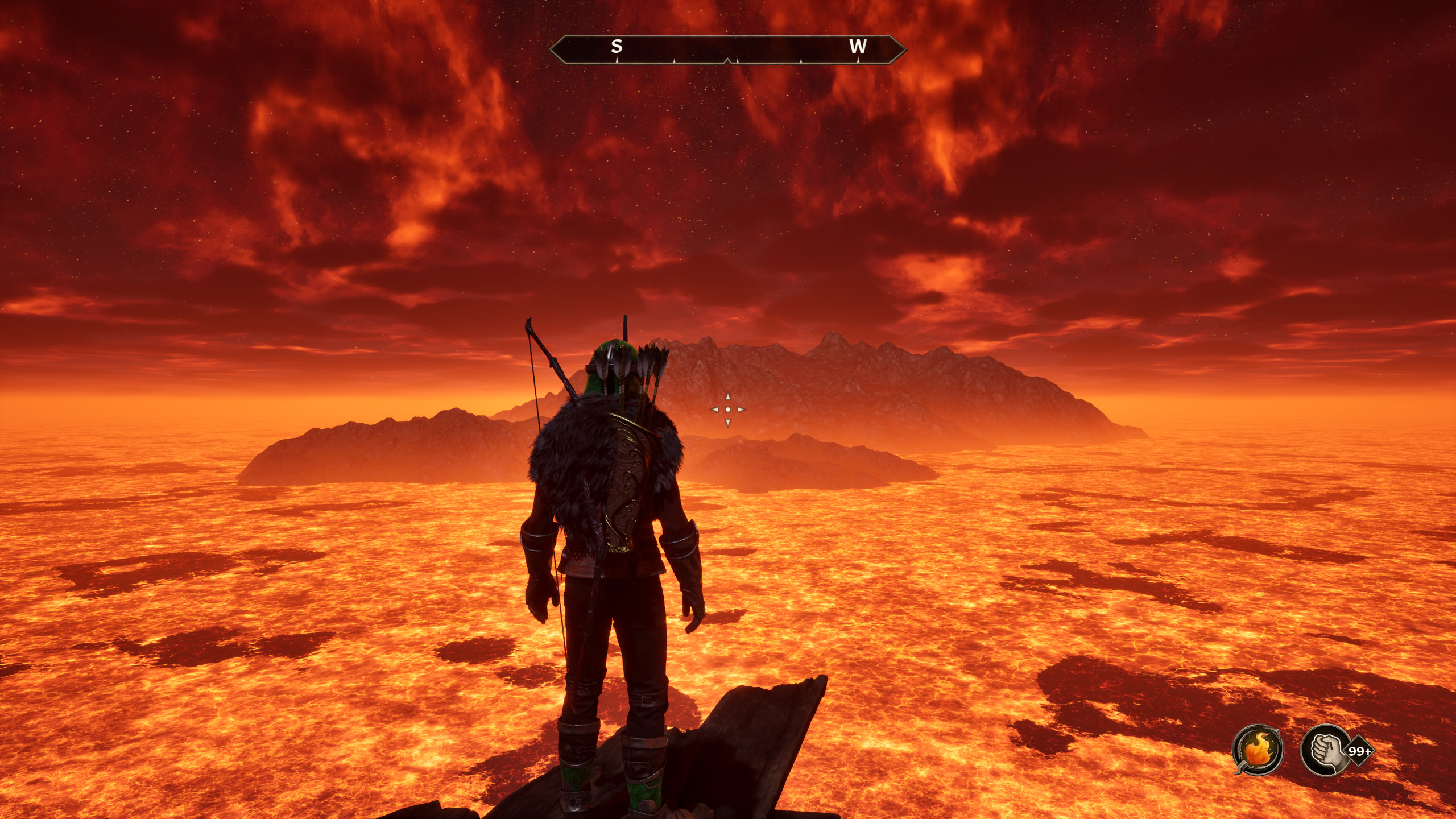
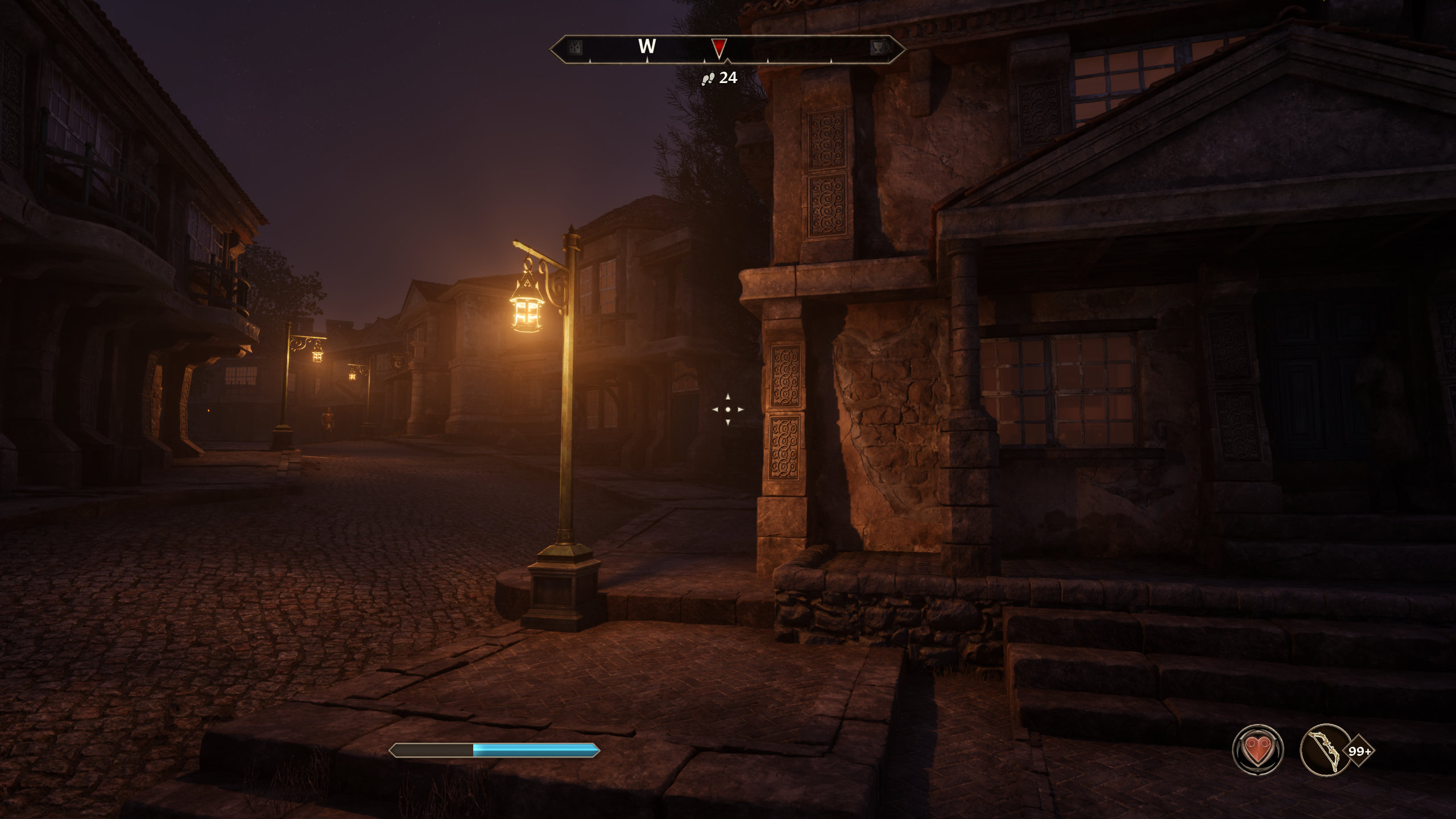
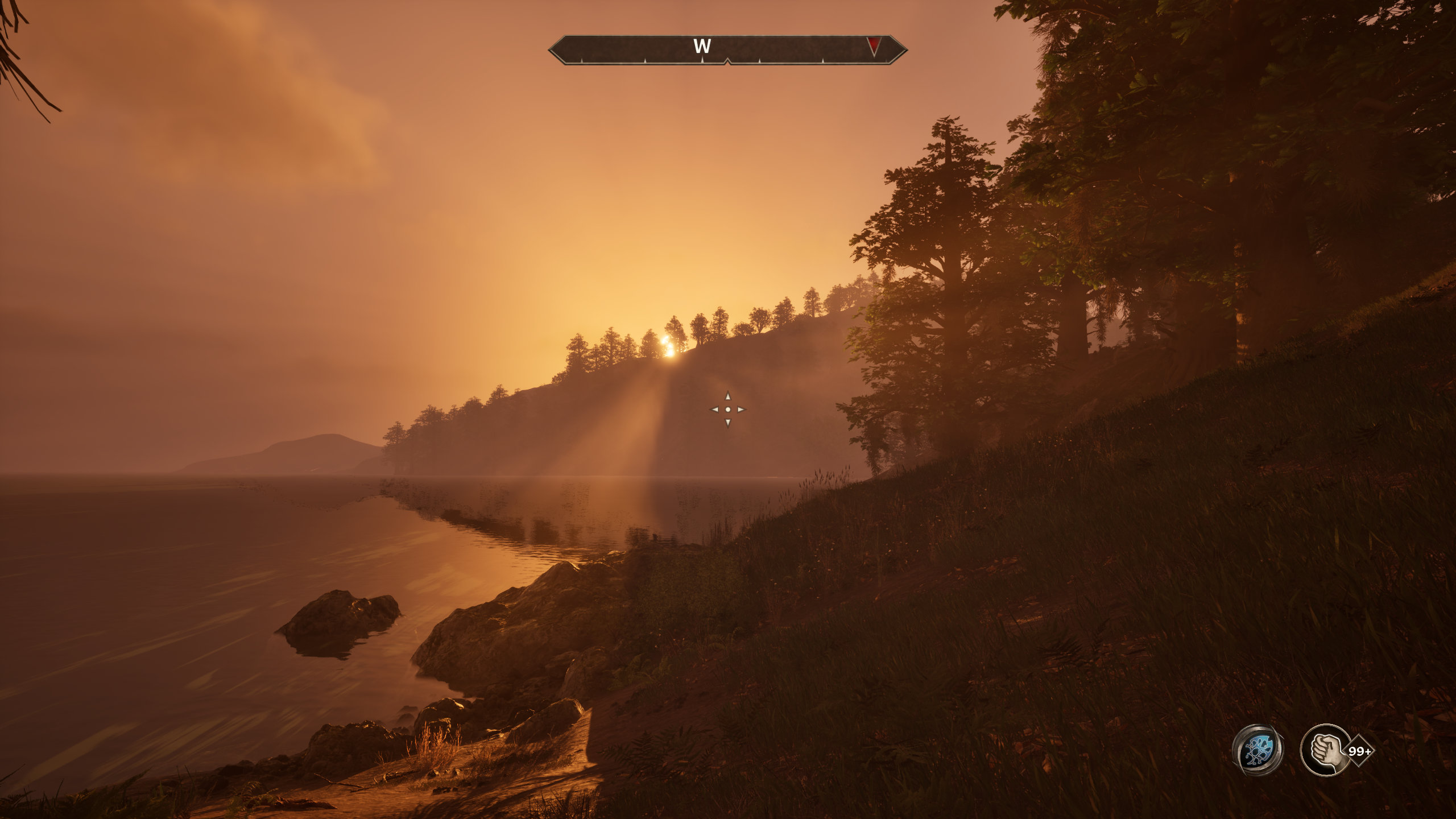
Luckily, Remastered version improves on a lot of biggest mechanical gripes of the original game. Leveling up fits much better with how the game is designed and enemies seem to have a wider range of possible levels and varieties than they did in the original title. The game is no longer horribly ugly, despite being very recognizable, especially with character models and their facial animations. Lots of quality of life elements were sprinkled here and there and all of the expansions and DLCs (that the original game was infamous for) are now naturally included in the game.
Because of these fixes, I was able to enjoy the good things that the game had going. Because, I’ll just say it here – Skyrim is a better game. It is also “do everything checklist” title, but it does it better. And where I’ve finished Skyrim several times already and every time went into every dungeon, because it would always breadcrumb me to some quest or another interesting thing, I’ve ignored most of the dungeons and smaller quests in Oblivion because they’re all boring, poorly placed and because they’re never marked as “Cleared”, you never remember which location you’ve been to and which you haven’t.
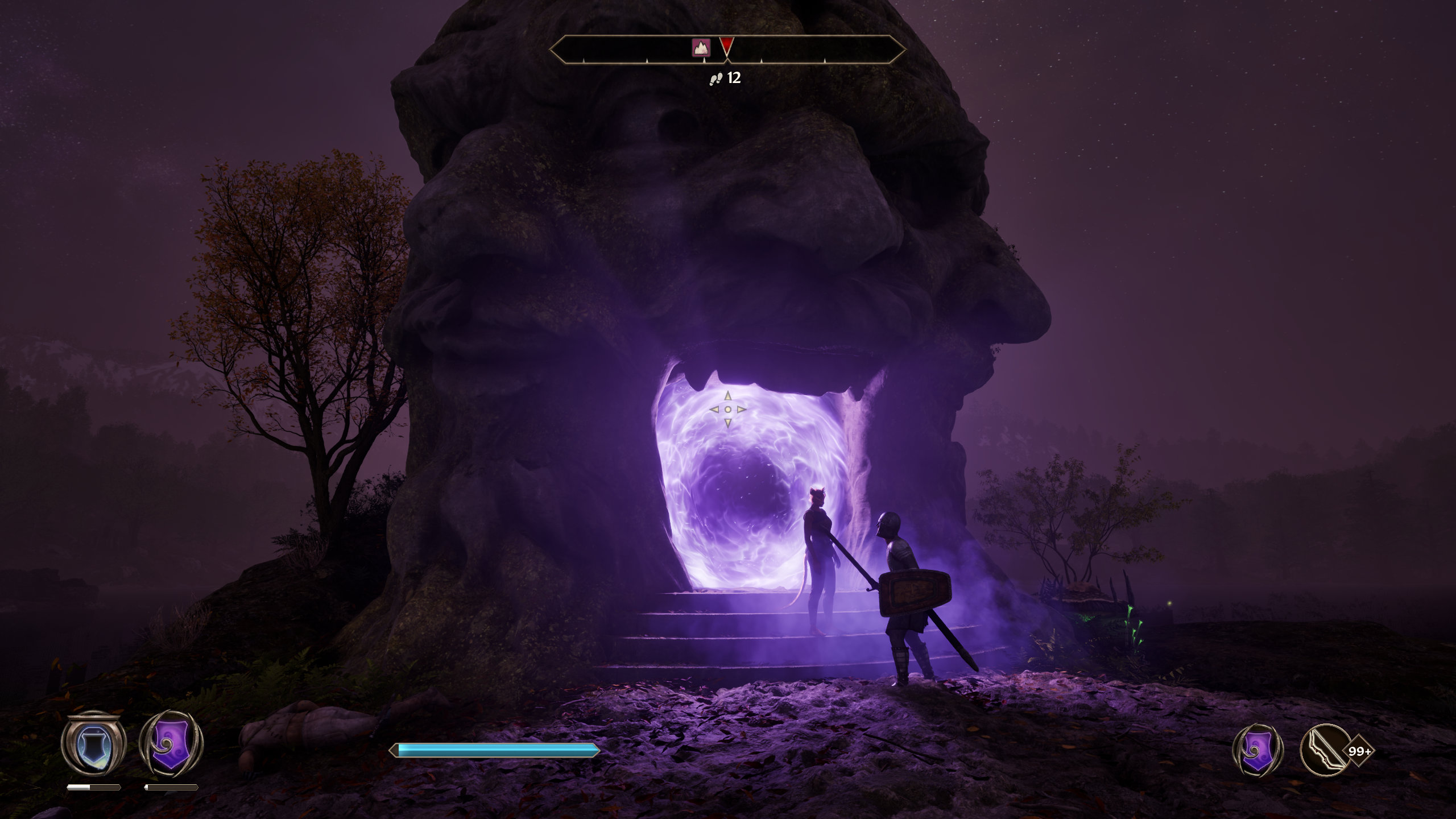
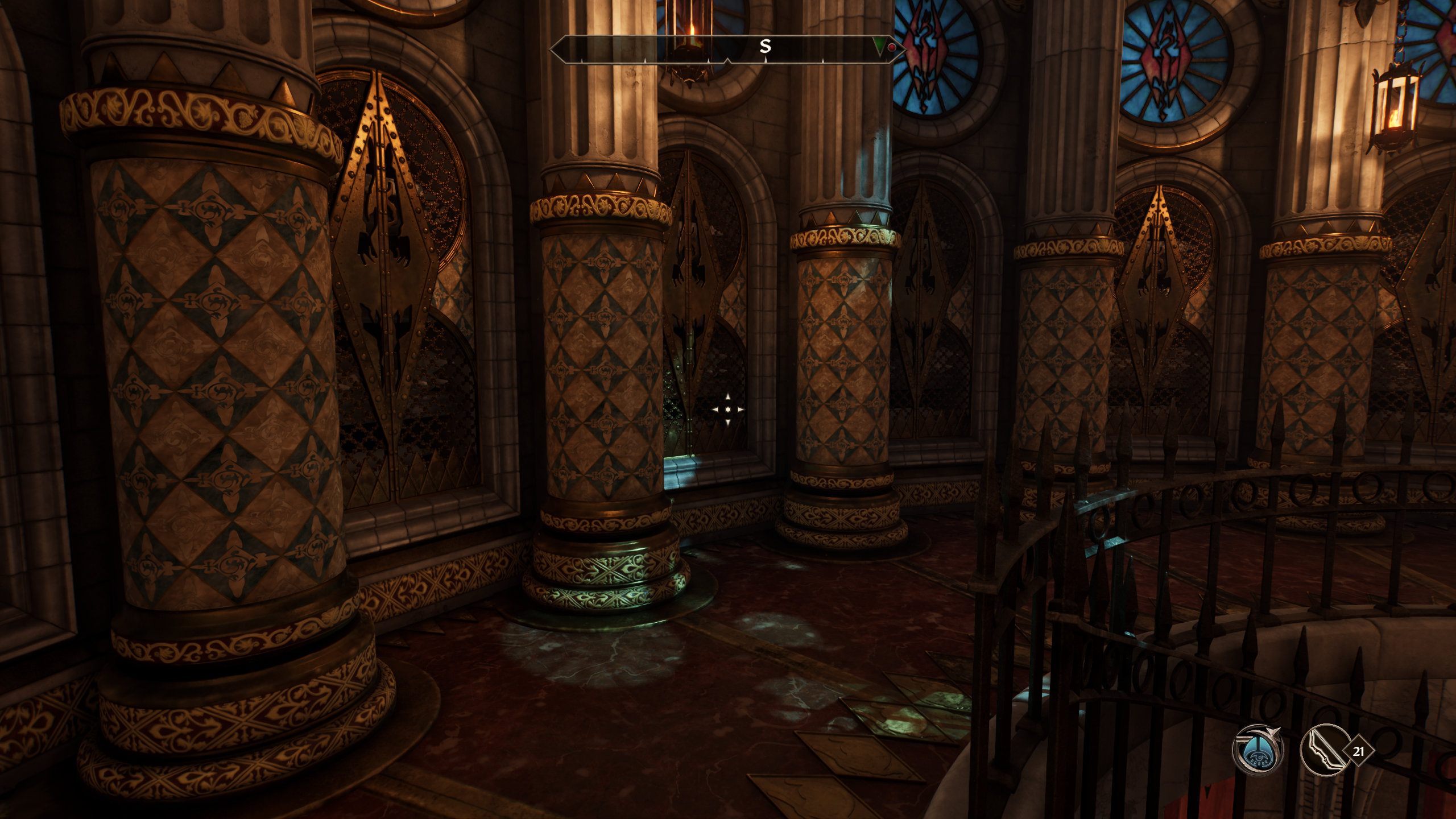
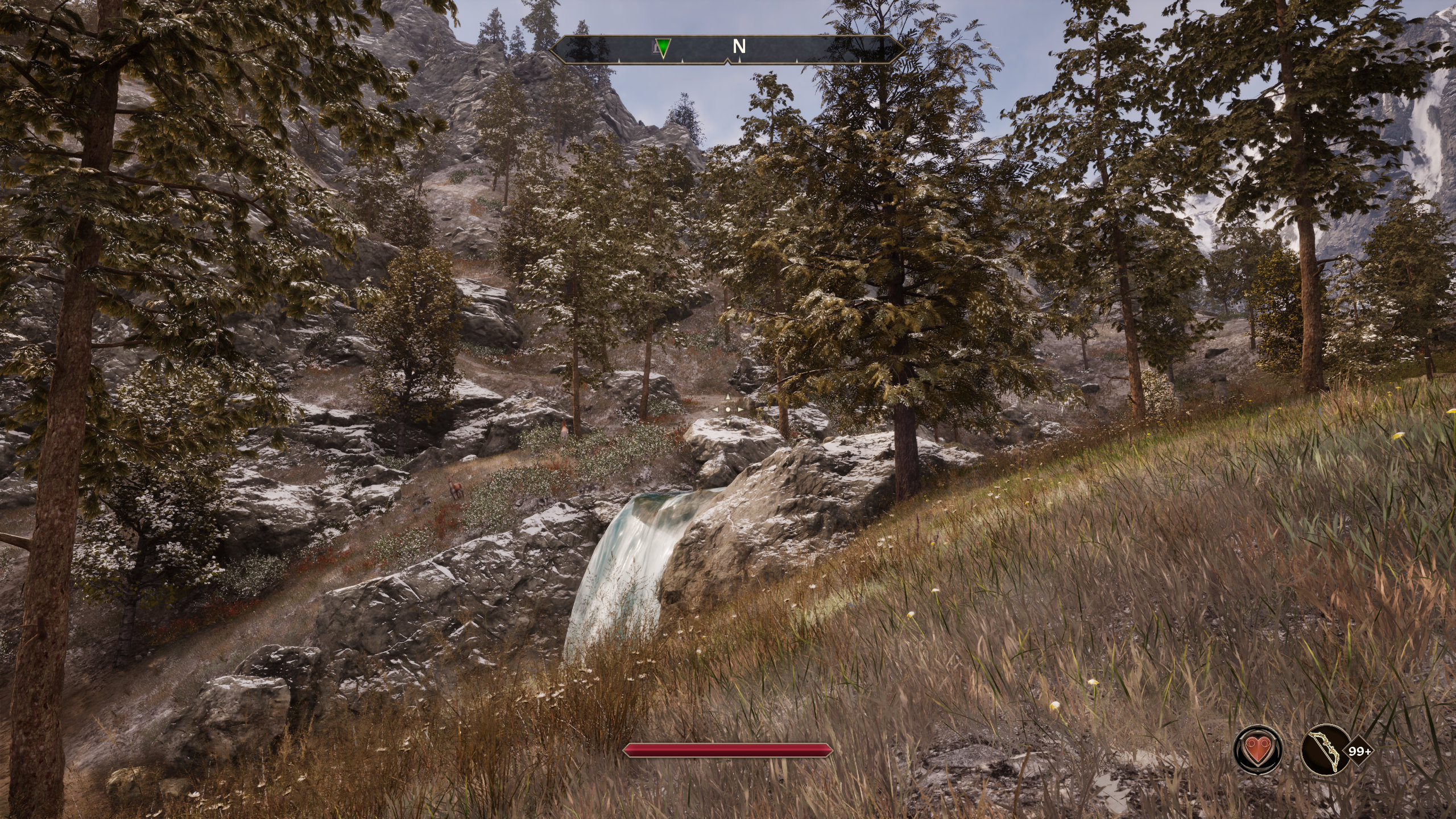
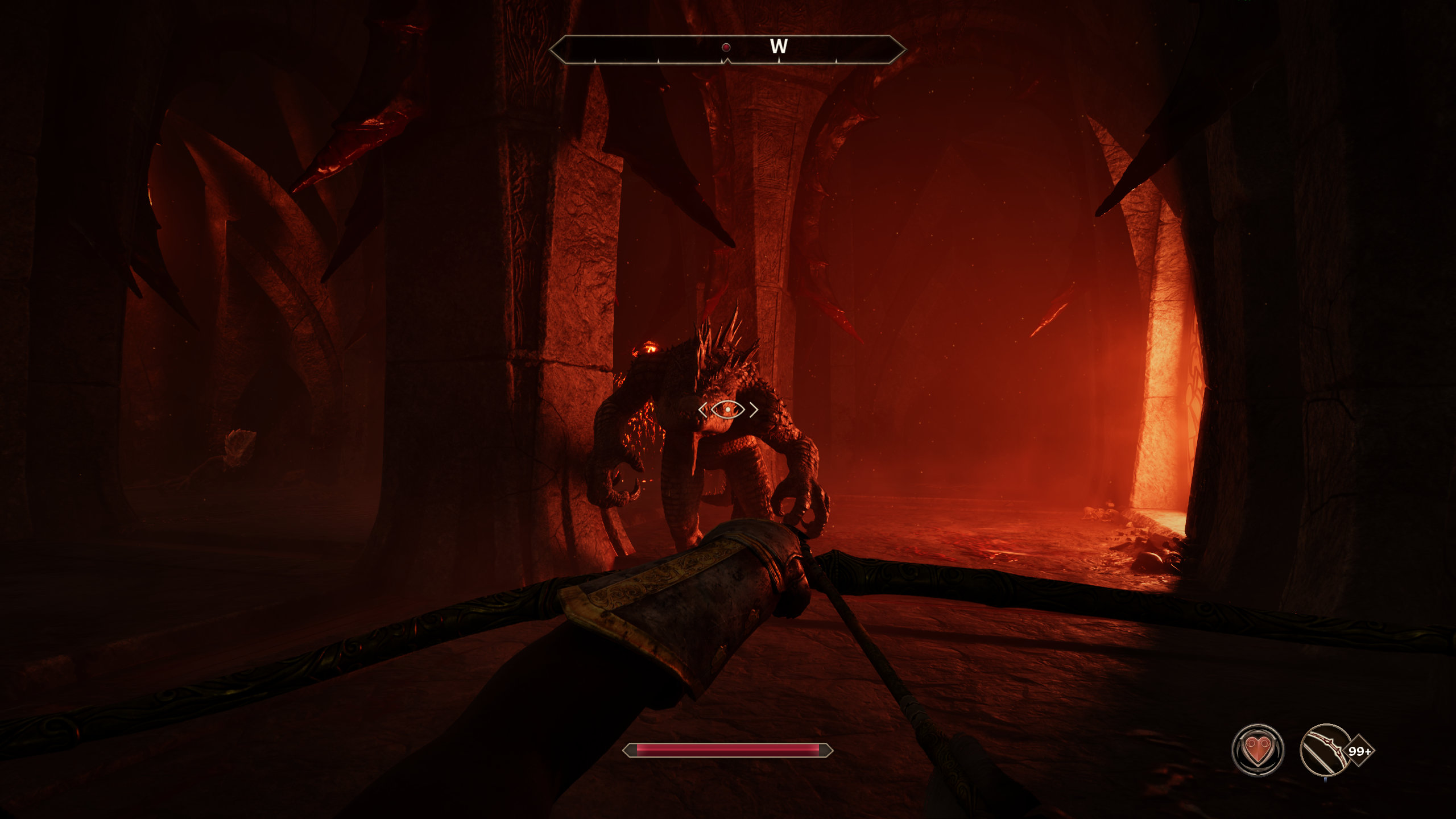
But! The magic is more varied and silly, where in Skyrim it’s way too limited in variety. Most of the guild quests are genuinely engaging, where in Skyrim they’re often rather bland in comparison. And the main quest, while not fantastic, has a lot more genuinely interesting moments (at least conceptually) where last remnants of the city band up to fight a demon invasion and stakes are high (and named NPCs can and will most likely die) or something of the sort. Whereas in Skyrim the main quest is barely there for a lot of the time and the “end times” don’t really feel as such.
That said, the expansions Oblivion had weren’t particularly good. Knights of the Nine is surprisingly boring and in the remaster didn’t get a single achievement tied to it. Shivering Isles is more fun in concept than in practice, where you have to run around really boring dungeons and be happy that everything is a bit wacky, but at least the story is a bit entertaining. While the rest of the smaller quests are barely worth noticing. Including the new ones added with Oblivion Remastered – Deluxe Edition – one of them is purely terribly designed, while the other is just really uninteresting.
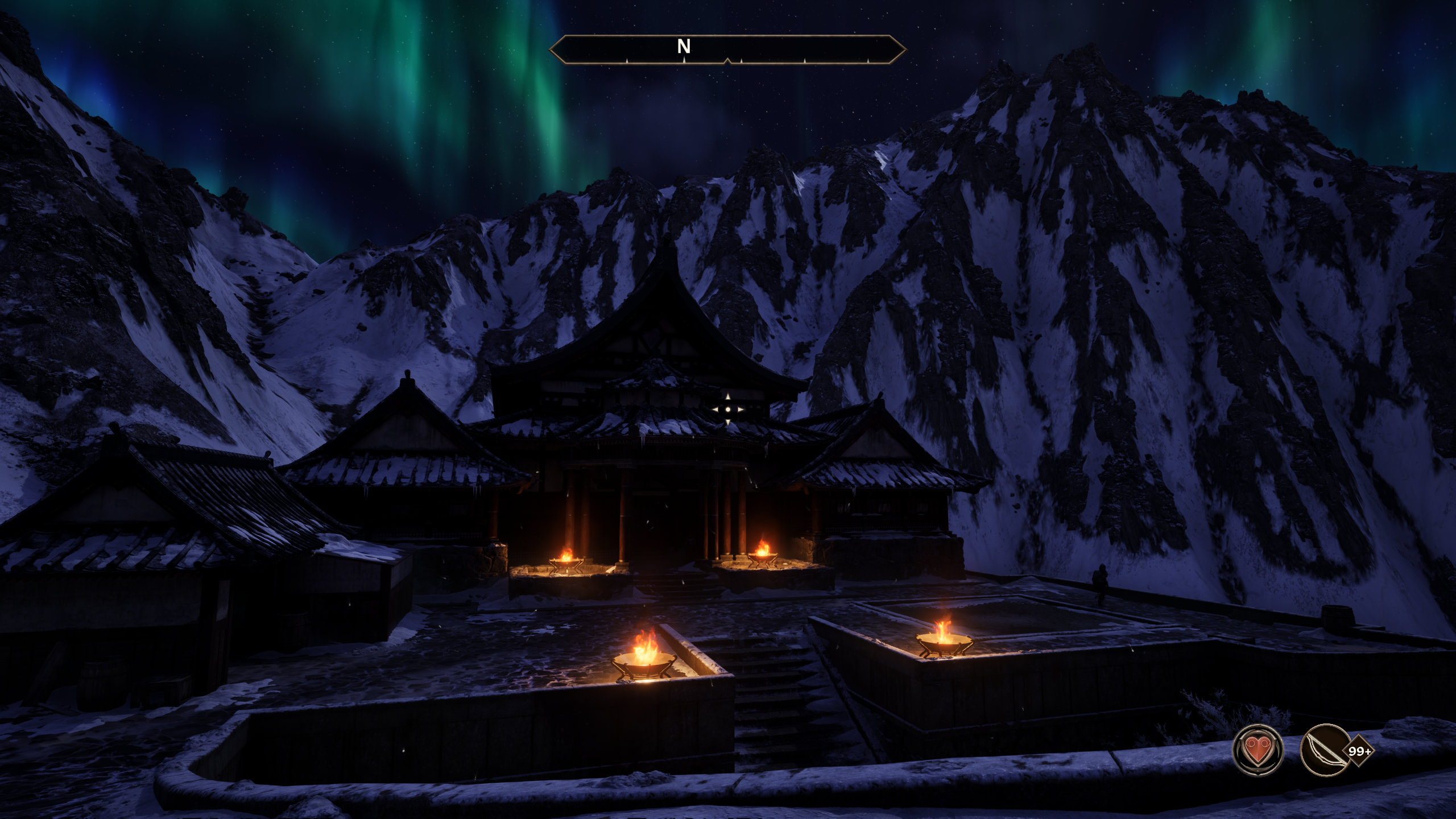
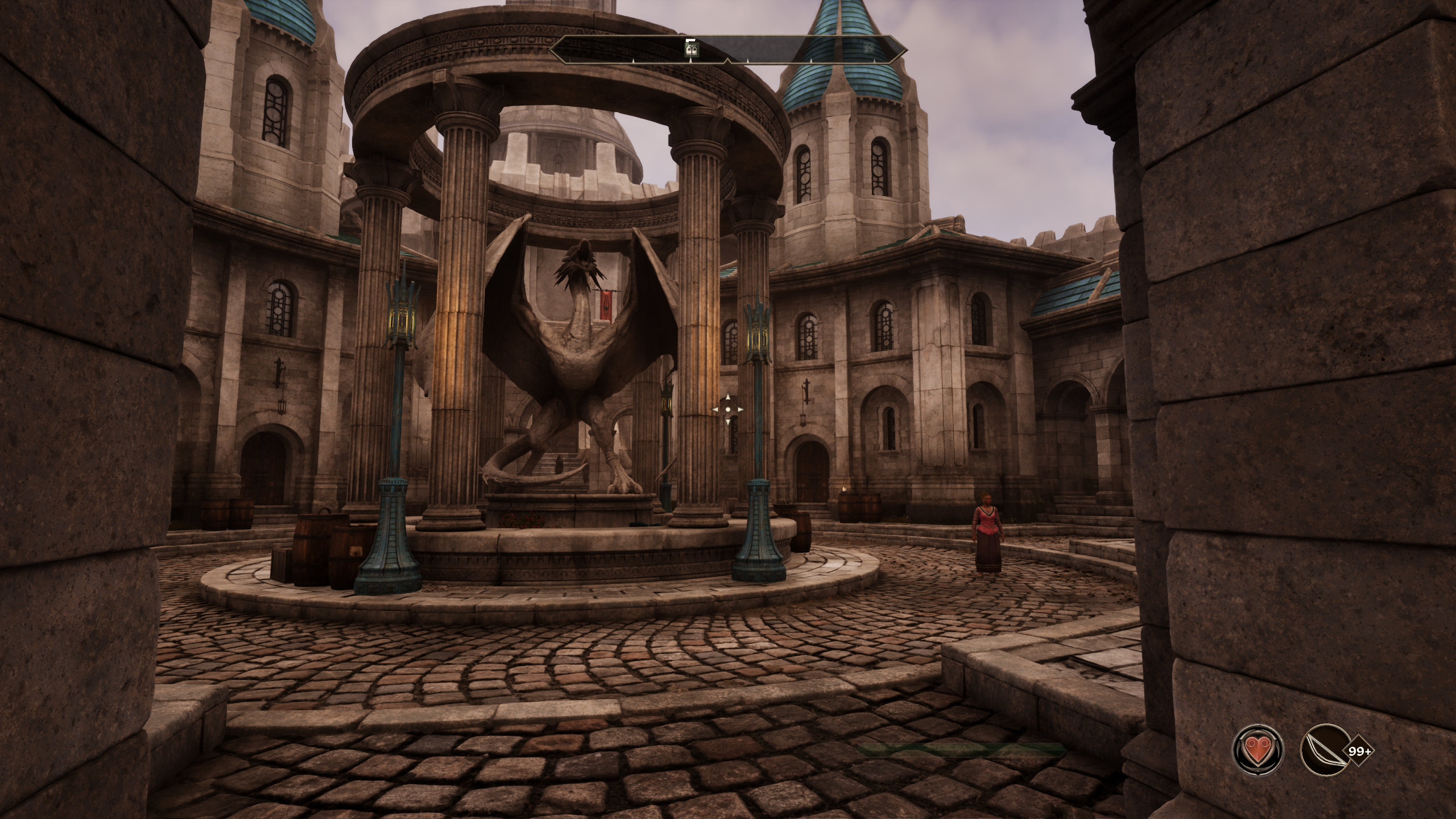
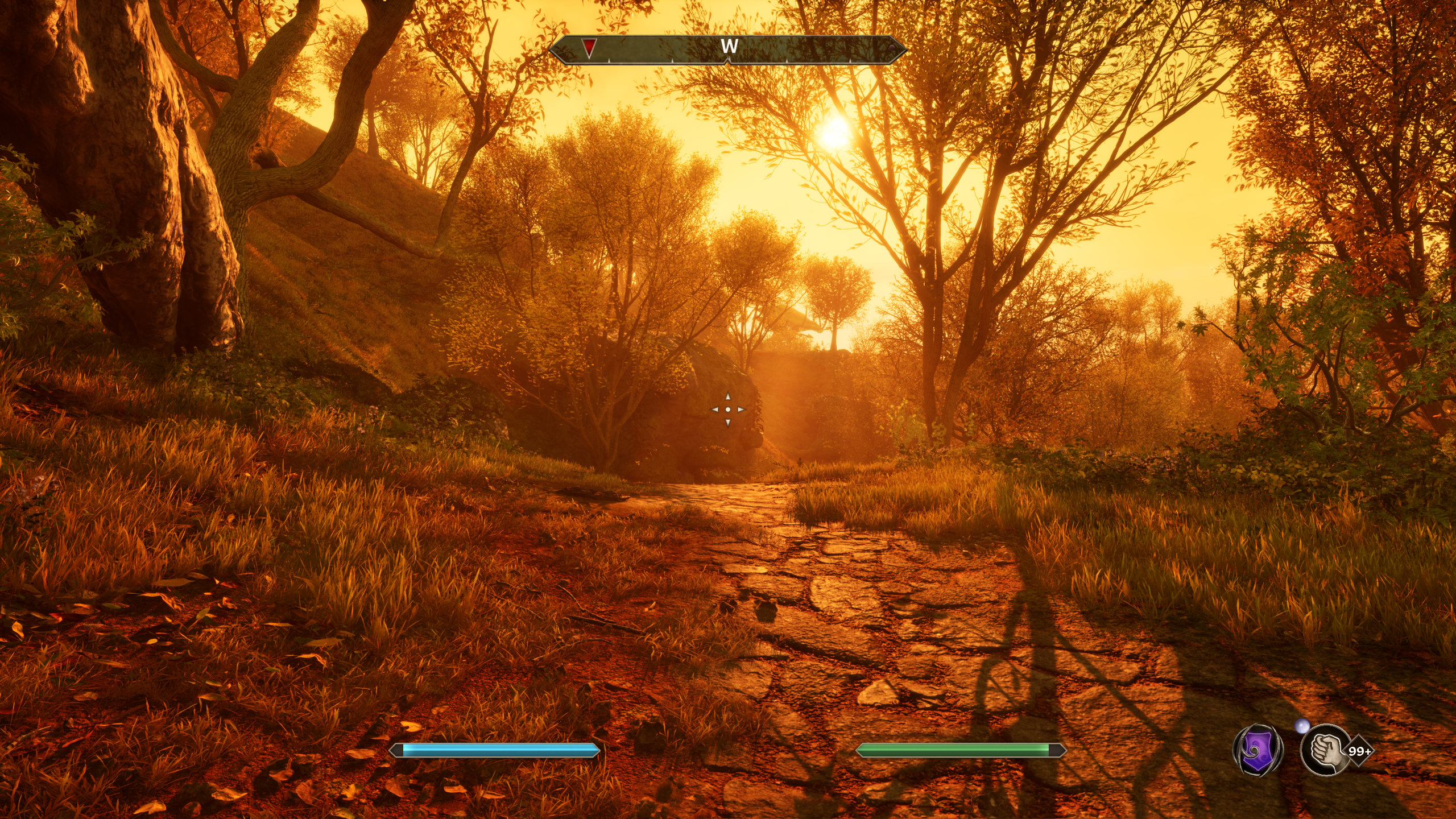
By the time I was speedrunning through the boring dungeons of Shivering Isles, I was ready for the game to finally end. But the overall experience was alright. Oblivion, at least in the Remastered form, isn’t as boring as I remembered it being. Even if it’s just better to play Skyrim instead. It is somewhat fascinating to watch NPCs talk about complete nonsense, then take out food out of their pockets and start eating right in front of each other, so then you can talk to them and spam a “speechraft” minigame that requires you to overload them with idiotic speech attempts, so they could like you a bit more and tell you something useful, before running away and being killed by a random enemy that stumbled into the town. And I did have one quest end as soon as it began, because the target I had to assassinate died without my involvement. And it was entertaining. But I don’t think I want to play this game again anyway.
Spelling error report
The following text will be sent to our editors: