So, I’m not the biggest fan of turn based RPGs, as I always say when I’m about to talk about one. Neither am I that huge of a “jRPG” fan. I’ve played all of the numbered Final Fantasy games and like most of them, Chrono Trigger is among my favorite games, Parasite Eve is fantastic and all that, don’t get me wrong. But back when the whole PS2 era of Japanese Role Playing Games was happening with dozens of games coming out, I have played almost none of them. Why am I talking about it? Well, Clair Obscur: Expedition 33 is a huge love letter to that whole era of RPGs.
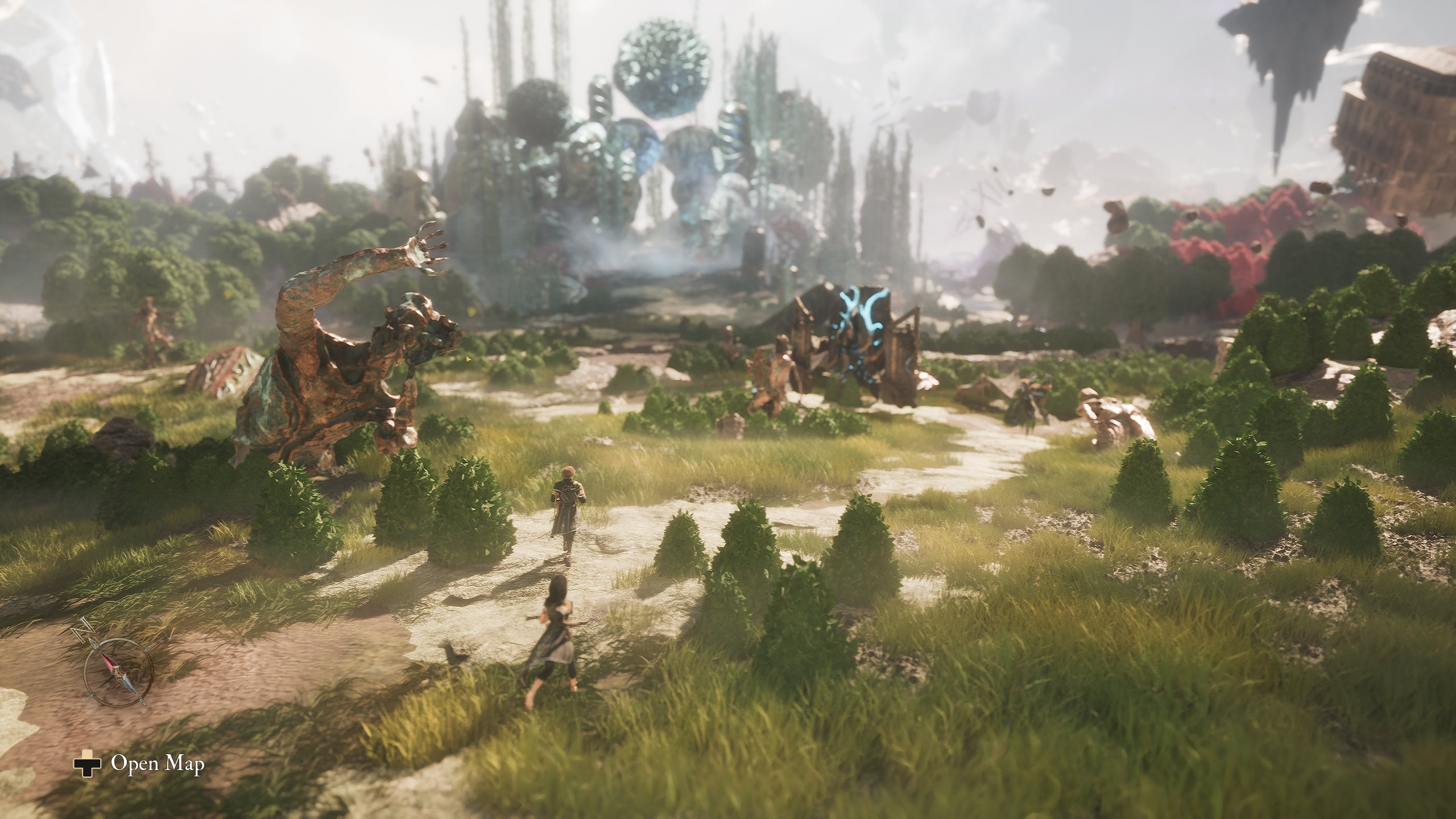
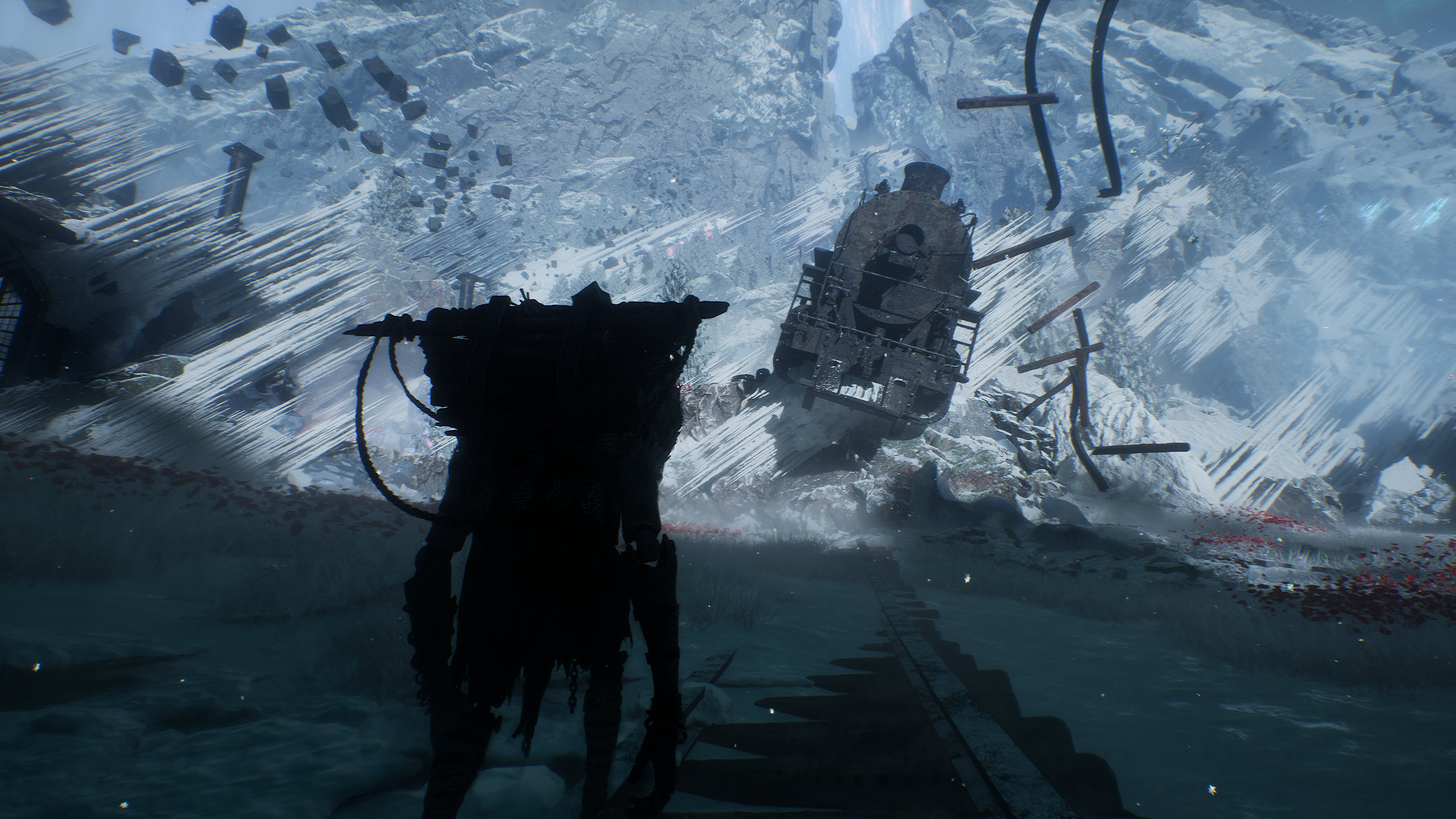
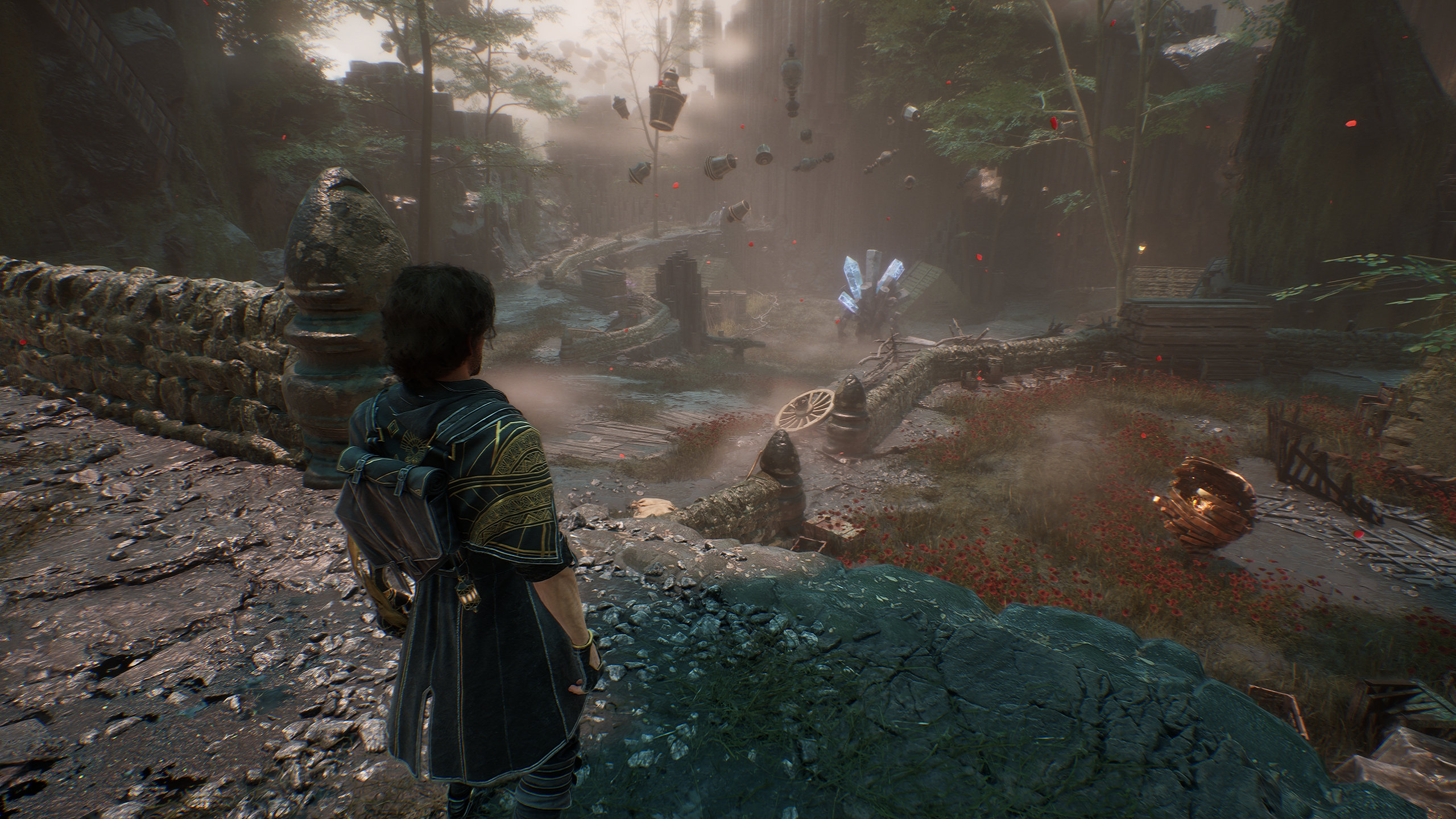
As you could already surmise, Clair Obscur: Expedition 33 is a turn based party based story driven RPG where fights and exploration are two distinct modes of the game. If I had to point towards closest inspirations, with my limited understanding of the genre classics, I’m thinking of Final Fantasy X and Shadow Hearts series. I’m sure there are better examples, but these are the ones that I could think of. As such, you have separate locations that are constructed of relatively linear paths, with some side-path exploration and save points at critical checkpoints. Though, because of auto-saves and ability to restart every fight, these are more helpful as sources of free healing and also leveling up the characters. Enemies are visible in the world, but touching them will transport you into a separate combat screen, but you can pre-emptively attack them to get initiative in the fight.
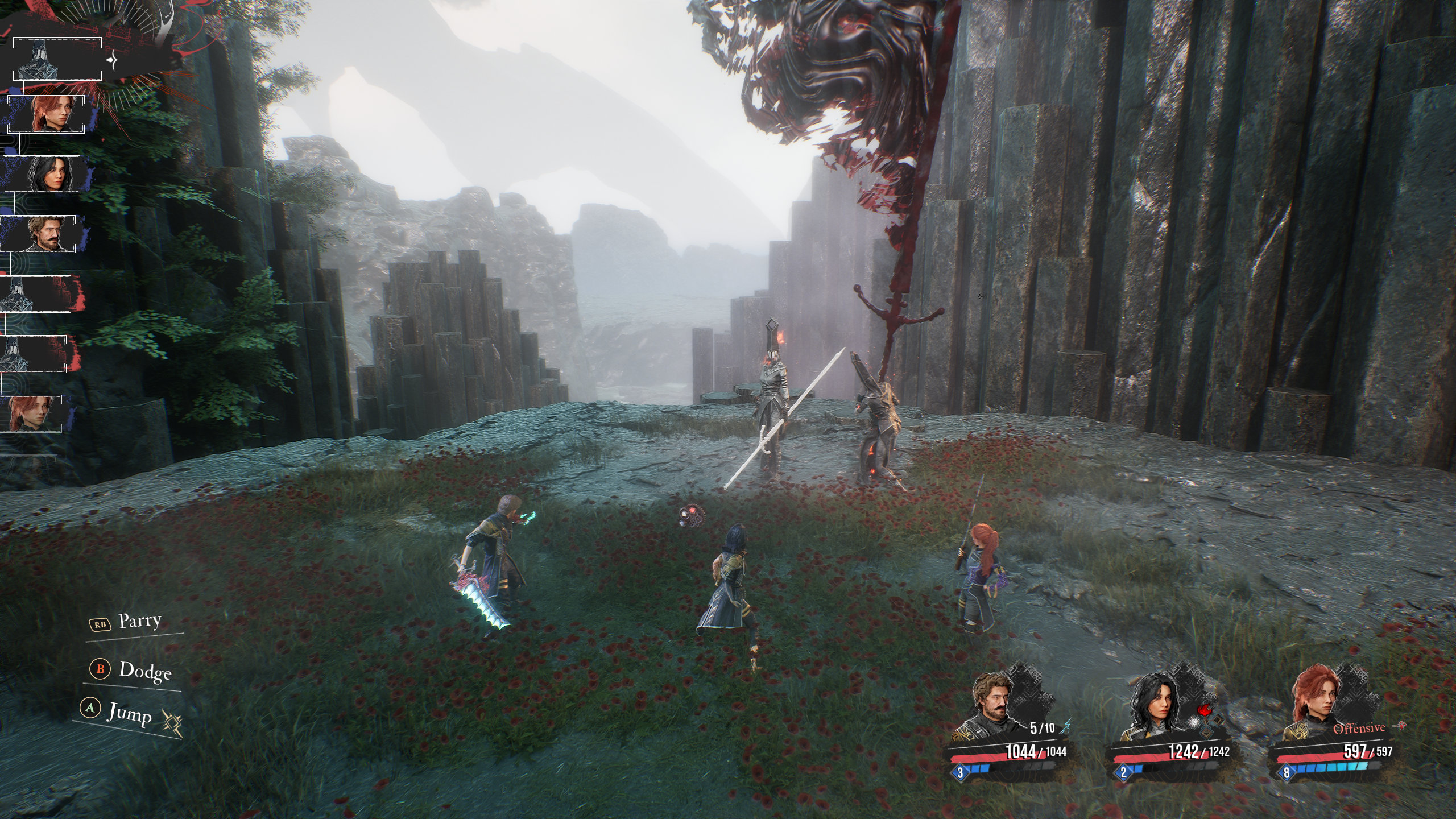
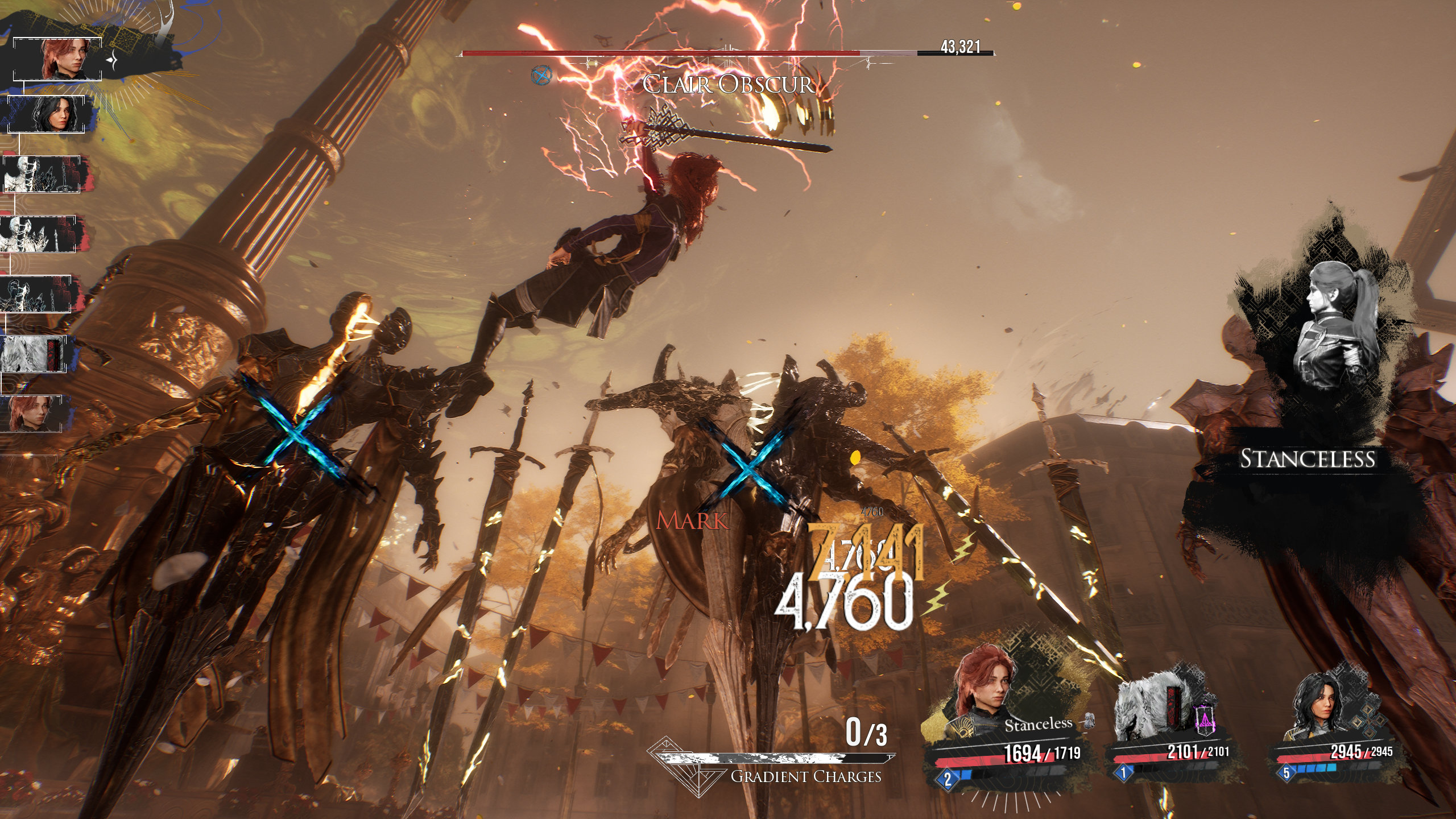
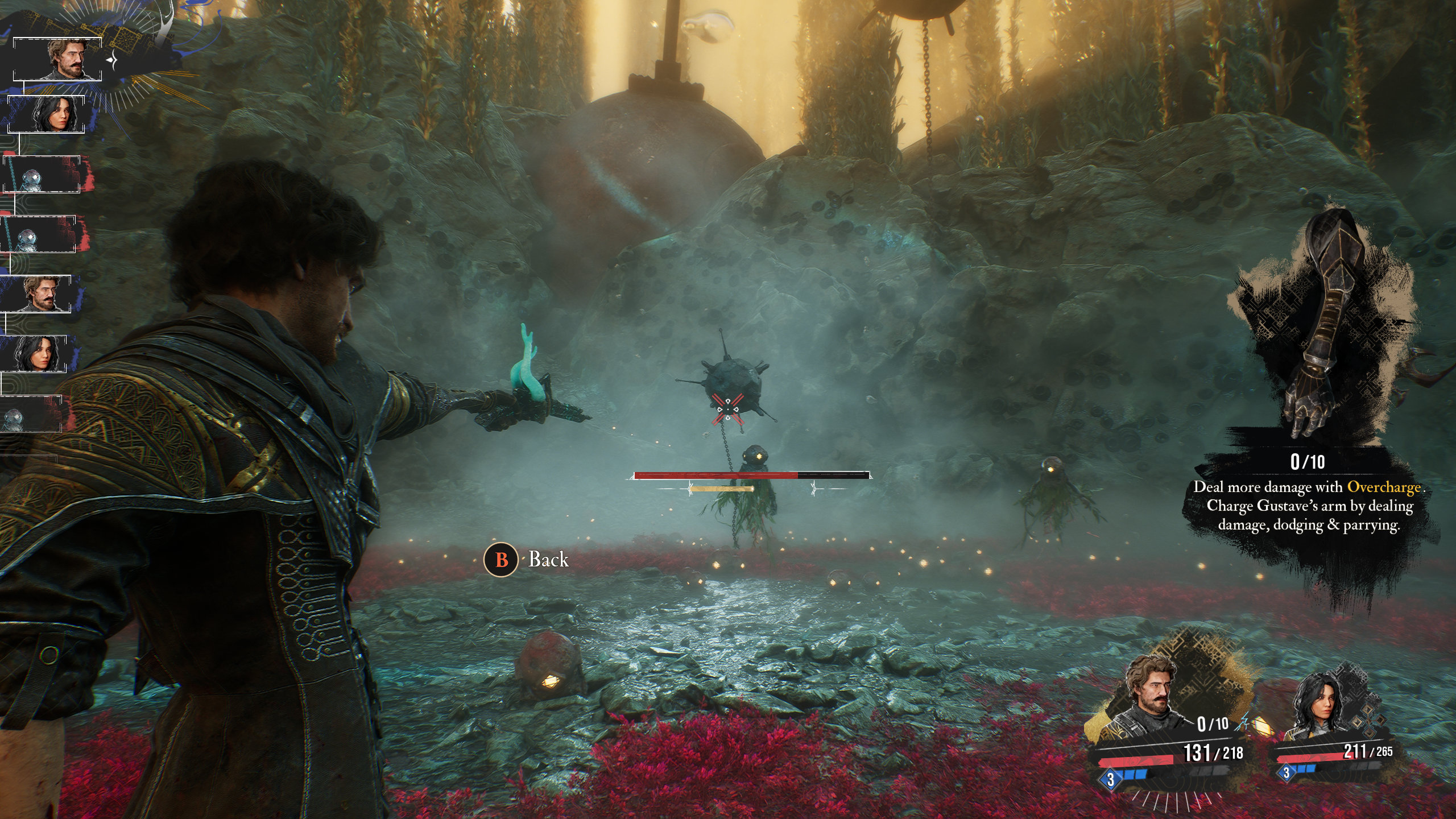
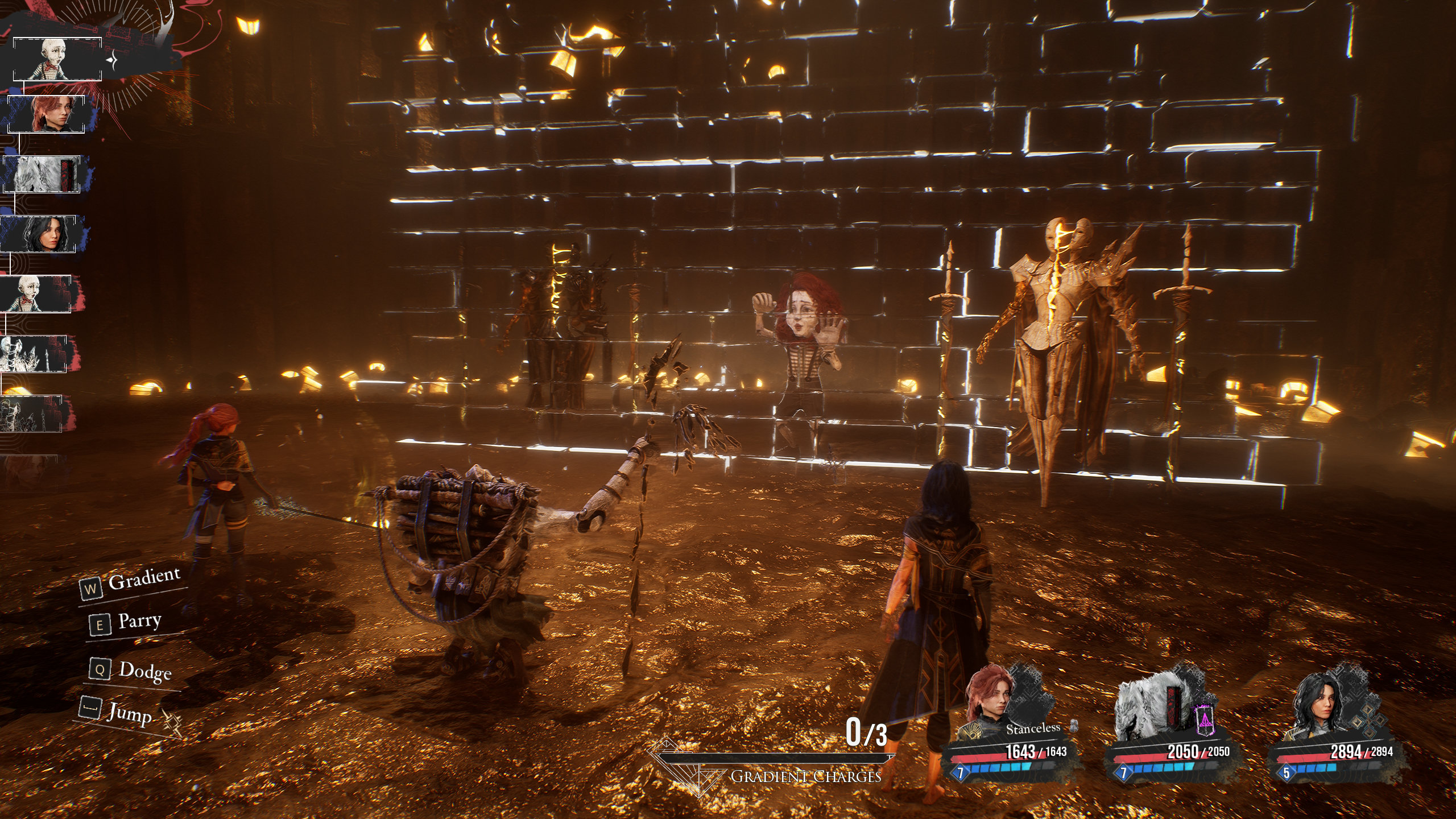
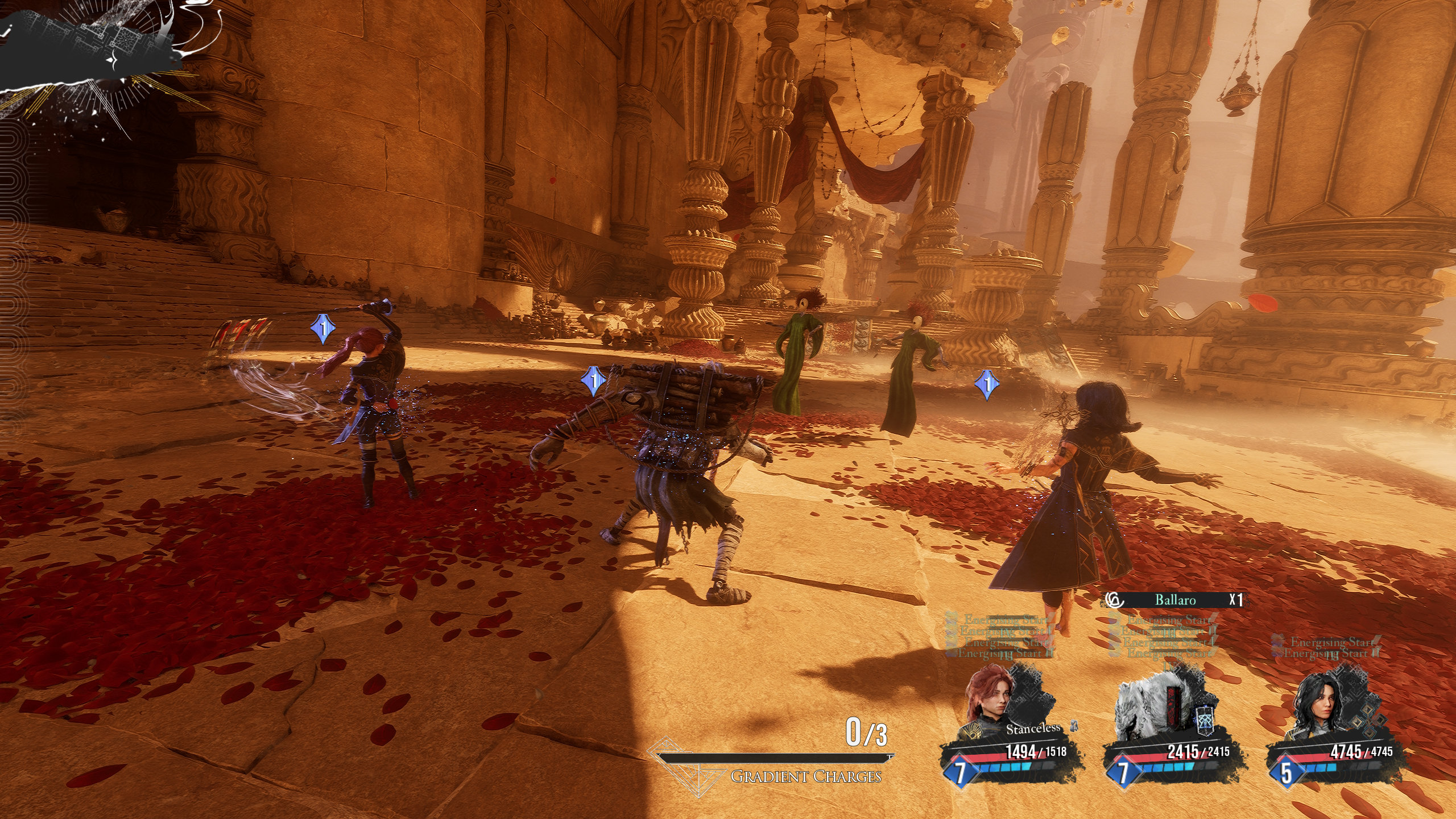
The combat is not purely turn-based – there is a turn order that is visible on the screen and it is affected by the stats or usage of abilities. You cannot move in the combat, so it’s a traditional “line of player party in front of the line of enemies” set up, where attacks can be either aimed at one target, or all opposing (or friendly) targets. Performing actions attacking, using and item or a skill uses the turn, but there are ranged attacks that do not end the turn when used. Instead they use up the action points as ammo, which are the main “currency” for the skills instead of any sort of “mana”. A character can accumulate 9 points maximum and how many they start with depends on how you equipped and the character with skills and passive abilities, but they do not matter outside of combat, so you cannot use any skills when exploring either.
The mechanics of all that are genuinely impressively engaging. Every character has their own unique playstyle and the skills are designed to be comboed into a certain flow. Which can, and should, also be synergized with other character abilities, so your entire party constantly plays off each other. For most of the game, you don’t need to be extremely smart about it, but for superbosses and some of the side content, the game wants you to build incredibly specific flows, where you build towards extremely devastating attacks. To help with this extremely nuanced character building, there are “pictos” which act as special accessories with passive boost and special abilities. The boost is only active is the picto is equipped, but the ability is learned permanently after 4 fights with the picto on for the entire party, so everyone can get, say, increased damage for parrying. It’s quite neat, even though there are waaaaaaaay too many of these pictos, so you will want to swap them around all of the time to learn stuff.
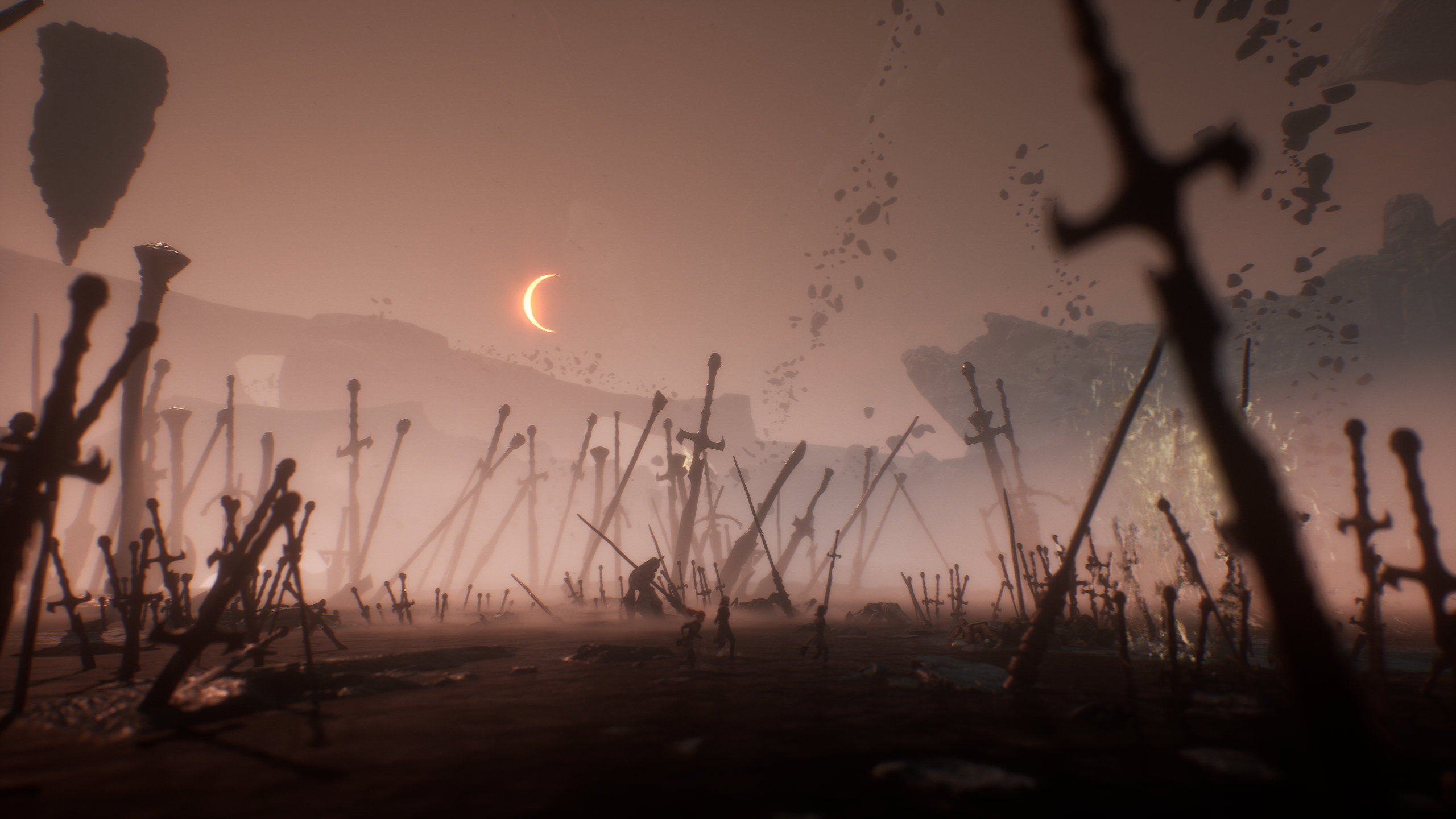
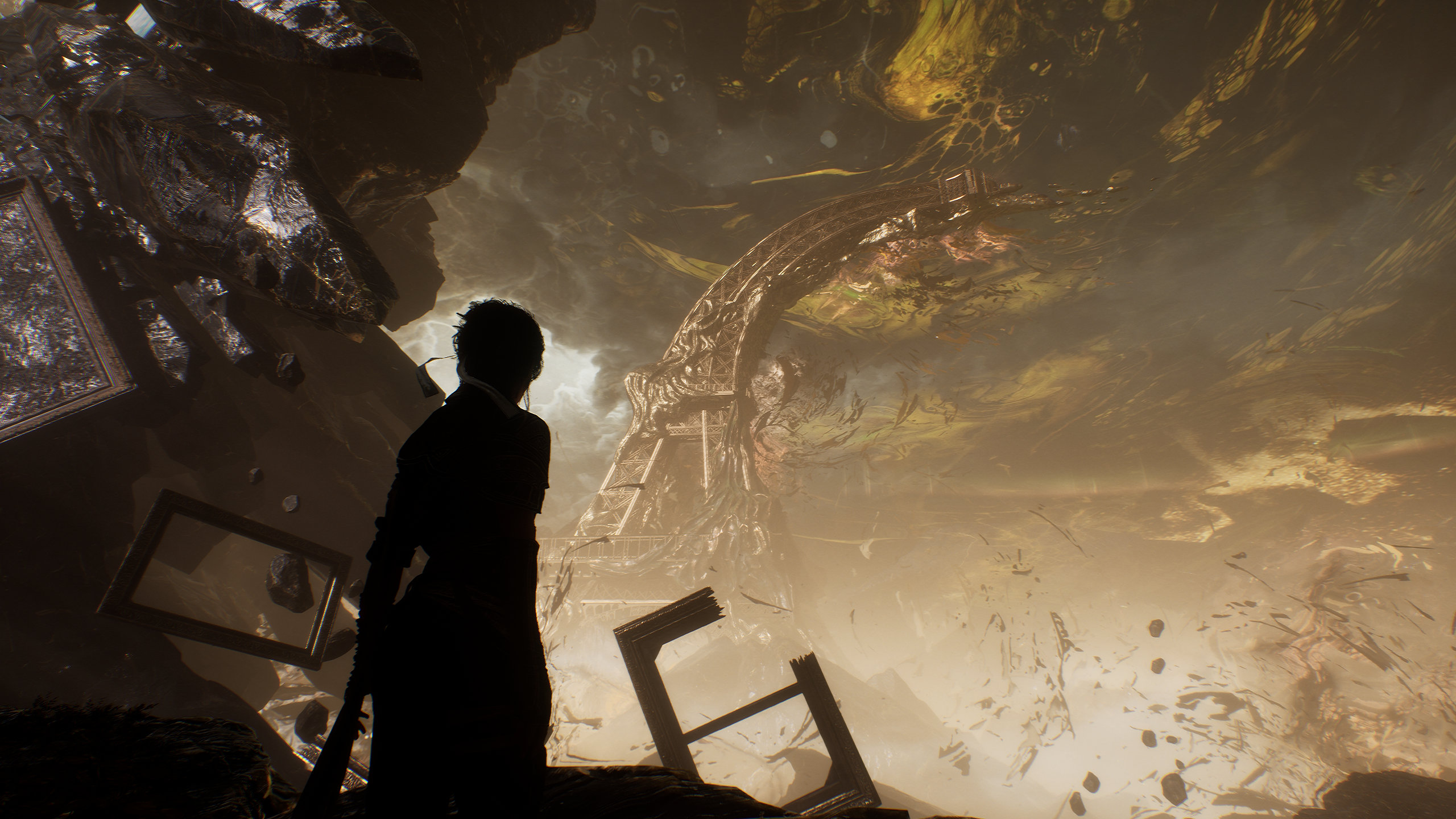
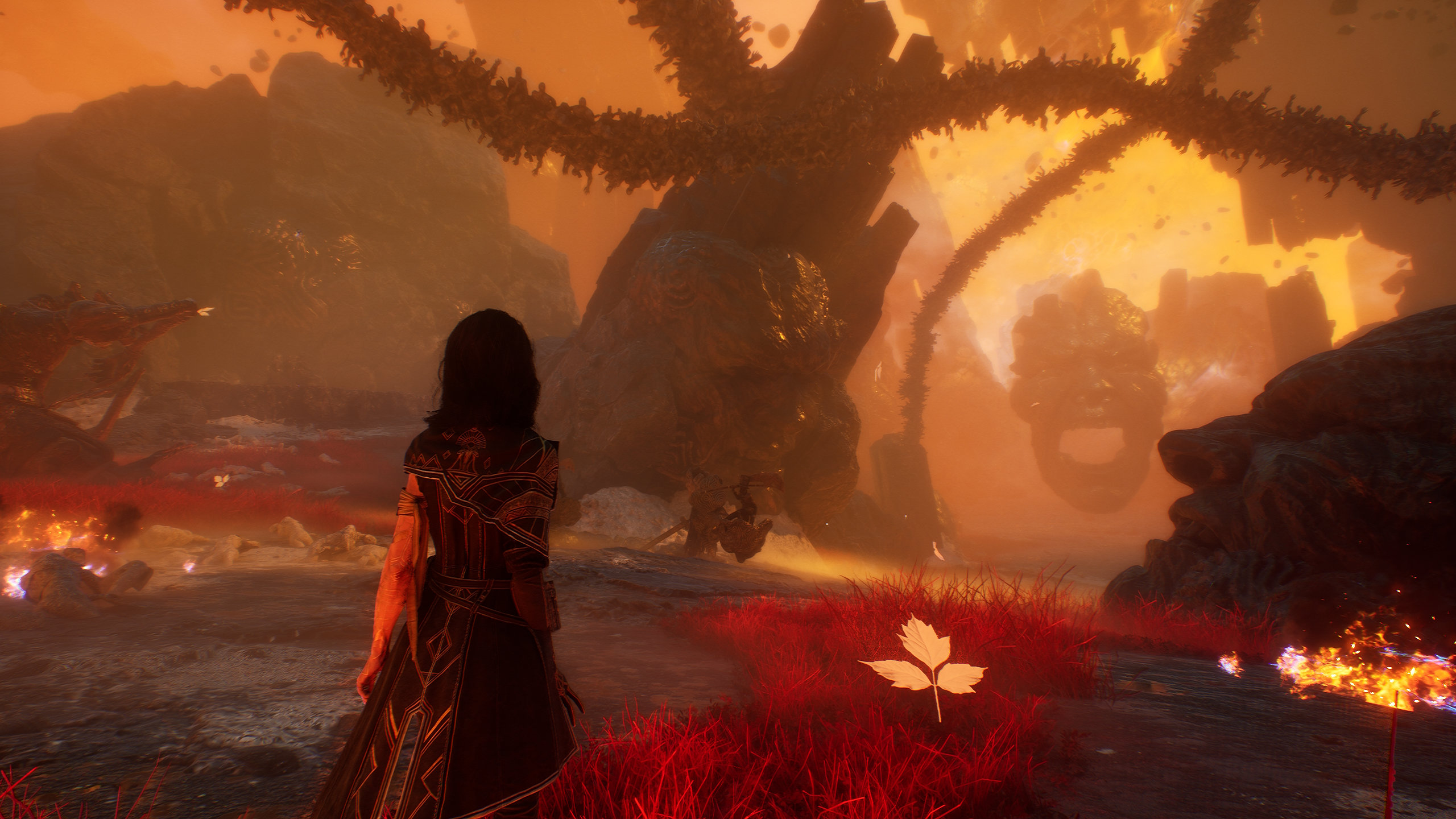
That said, the main story is extremely not grindy and flows really well. As long as you’re fighting all enemies in a location once, or get extremely good with timing parries (counter attacks are very powerful, if you get good at them), you will be perfectly set for the next story beat. In fact, even if you just do all of the optional content that is available right before the story finale and just go for it, skipping all of the optional content that becomes available at the same time, you will already be somewhat too powerful for the final push. Not by much, granted, but things will be easier than they could be. Which, in my opinion, is always a good thing in an RPG – it should be a choice if you wish to be over leveled.
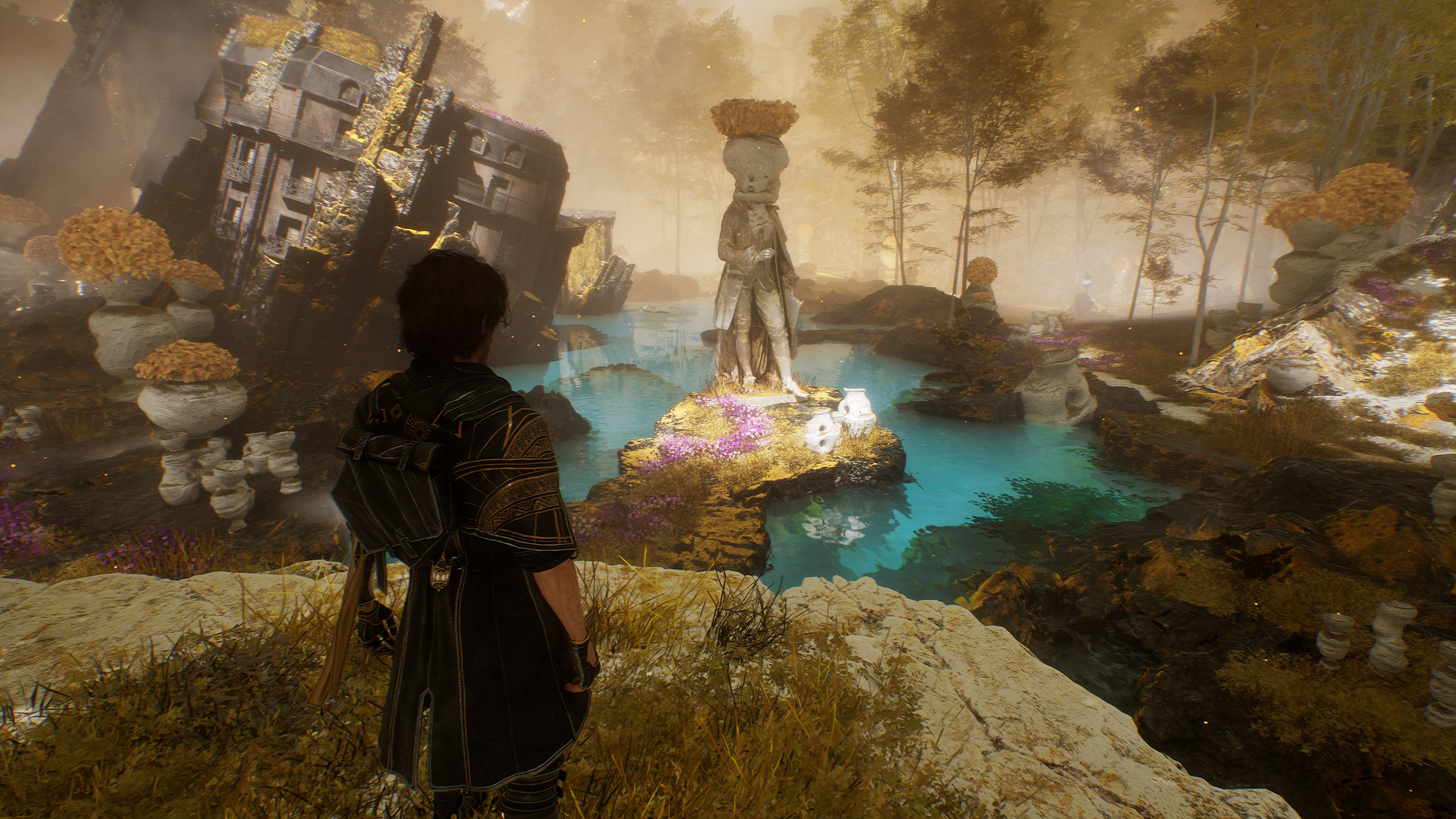
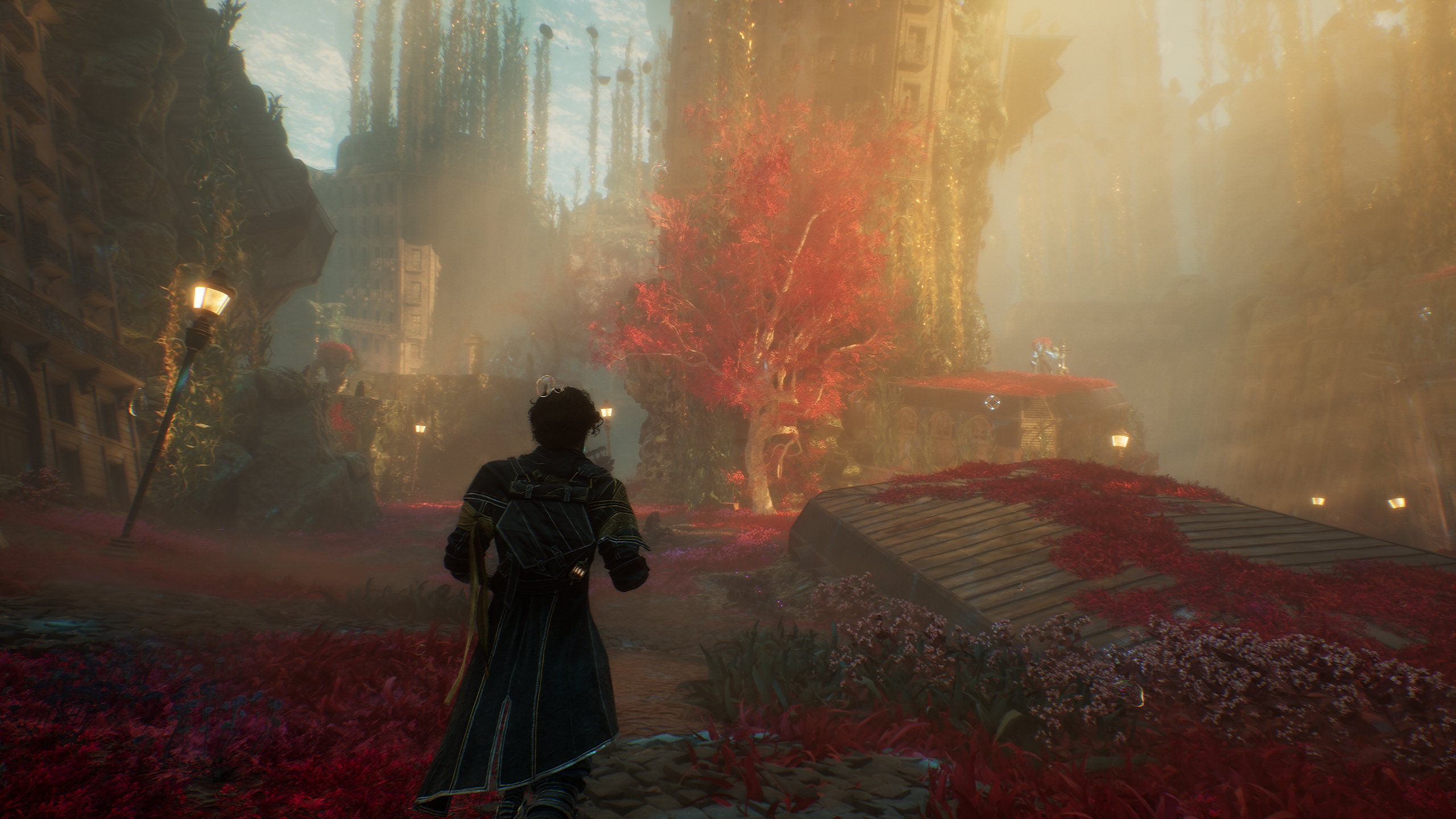
Clair Obscur is in general very “convenient”. Lose a battle? Restart it from the beginning or quit trying, which will set you back just a couple minutes, not much more. Load times are almost instant. Even the most complicated systems have a lot of helpers and guides for you to quickly get the necessary information. There’s overworld exploration in the game, which I’m always a huge fan of, and you get shortcuts and cool travelling abilities very quickly to make it fun and exciting, not tedious. And the world, while not small, is quite compact, especially for the main story. Thankfully, being more streamlined and convenient didn’t make the game boring. It’s full of fun and clever ideas and unexpected surprises. The plot is an odd combination of whimsical and extremely dark and tragic beats that mostly work well. The music is superb and quite unique. And visually the game has a really cool style. Granted, from the technical point of view, it’s an extreme mess that shows its budget, but nobody seemed to care and neither did I.
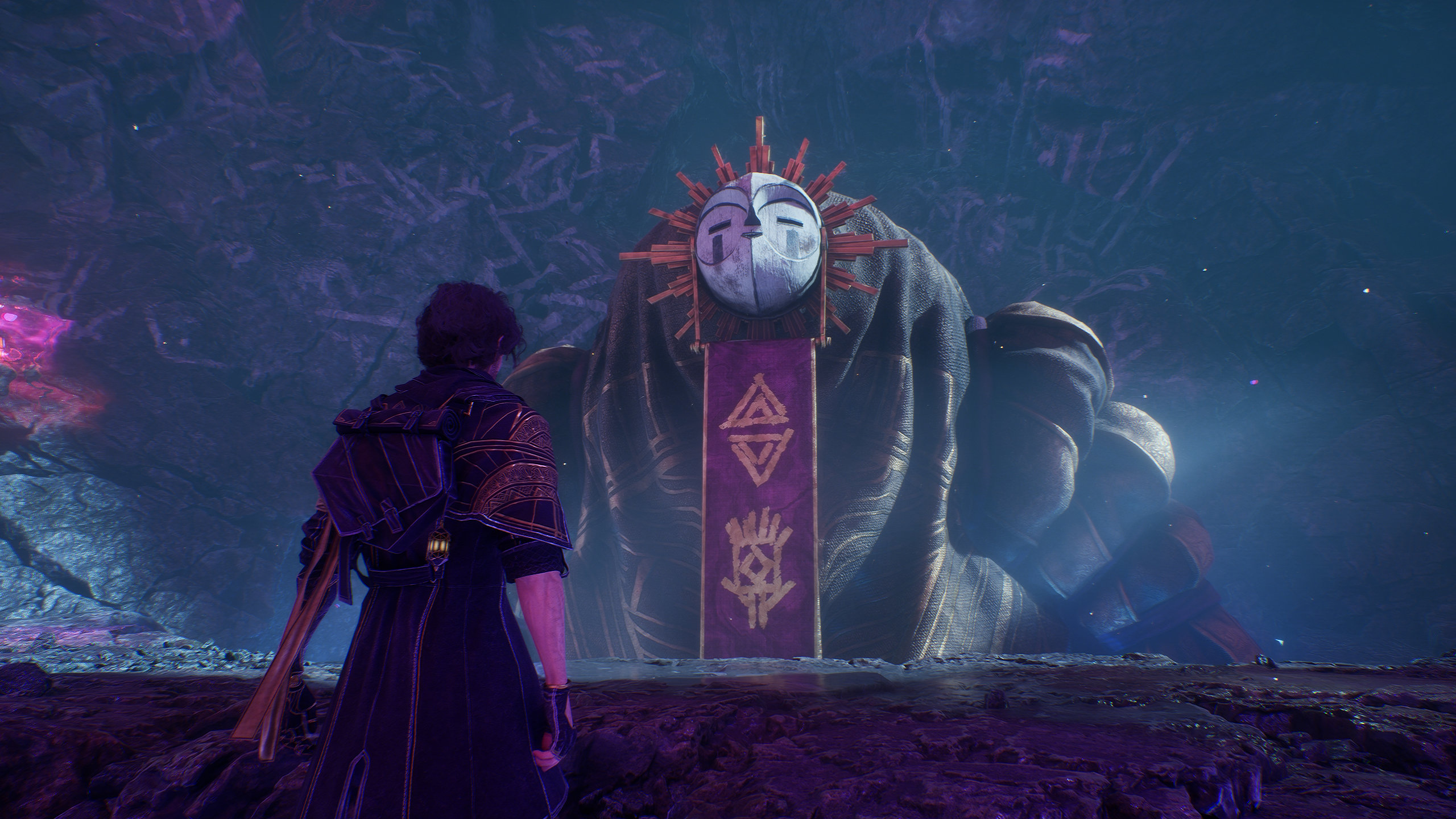
What I did care about, though, is that the game seriously falls off during the last Act. I’ve played the game for around 40 hours and probably the last 15 or even 20 were the optional things that become available at the end. I did them, and probably shouldn’t have. I’m sure that people who love building crazy characters liked it a lot more, but all of it was very much not for me. I was hoping for more interesting story elements, but optional content doesn’t really have any actually meaningful story elements with very few exceptions. And whatever it does have conflicts the main story in the end anyway, because the very end of the story suddenly drops almost all of the potential interesting dilemmas and questions and goes for the most primitive and uninteresting resolution of this tale. The idea behind it is good, but it’s almost as if the developers feared to clearly establish what they want the story to be at the end of the prior Act, until this vision comes out of nowhere at the end. It just could’ve been done in a much smarter way.
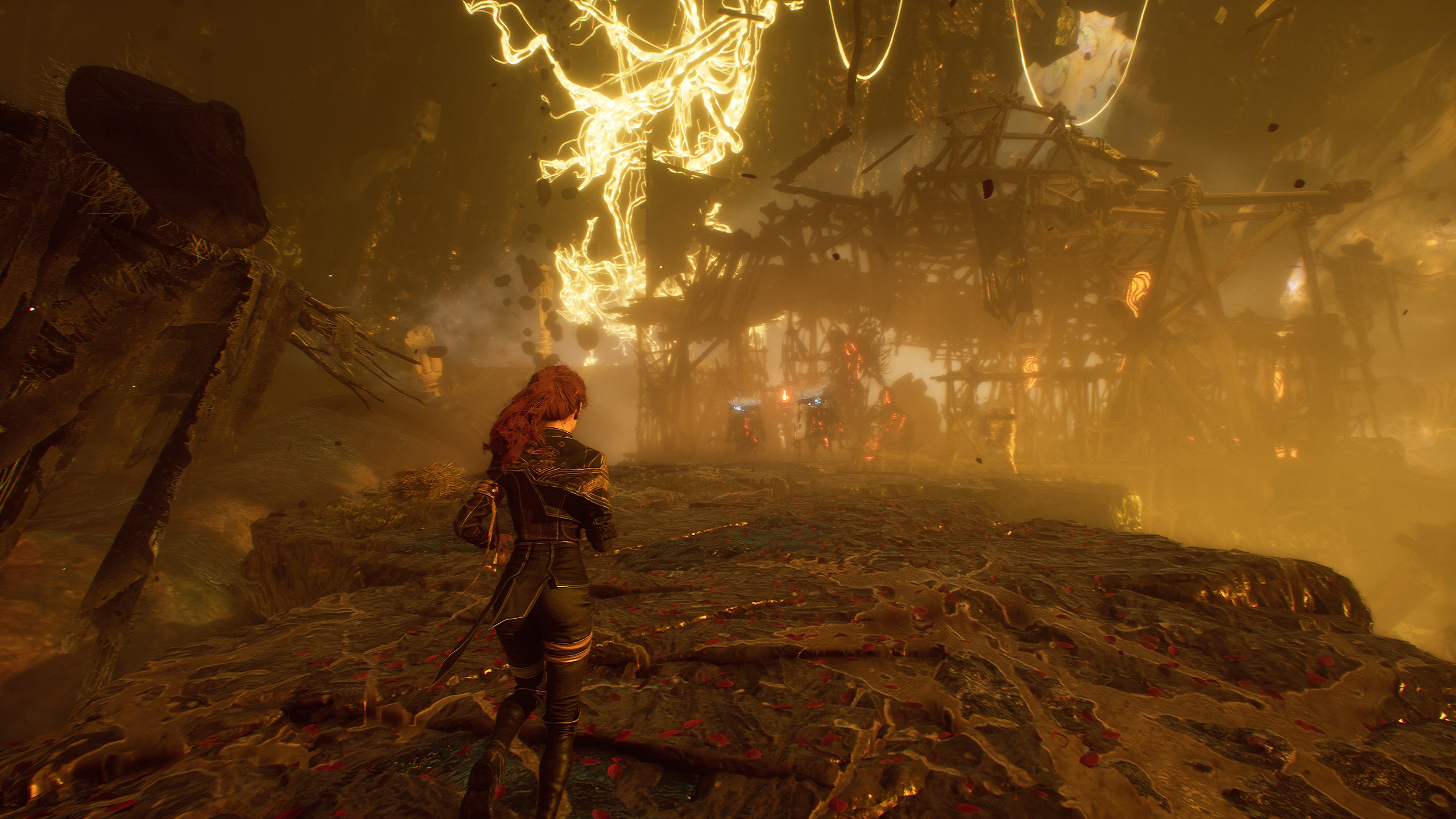
And then there are also additional frustrations here and there. Parry/dodge timings sometimes felt very off. The optional platforming challenges that I refused to participate in, were horrid and whomever put them in the game should feel bad. There are occasional odd bugs and getting stuck in level collision happens far more often than one might wish. You cannot quickly restart fights, which becomes crucial for the optional encounters by the end, instead you have to choose to lose the fight, then wait for a very long pause until the prompt to restart appears. And even that option was, apparently, patched in recently. Said patch also added even more ridiculous and pointless complicated superbosses, that you can rather accidentally stumble upon with no warning.
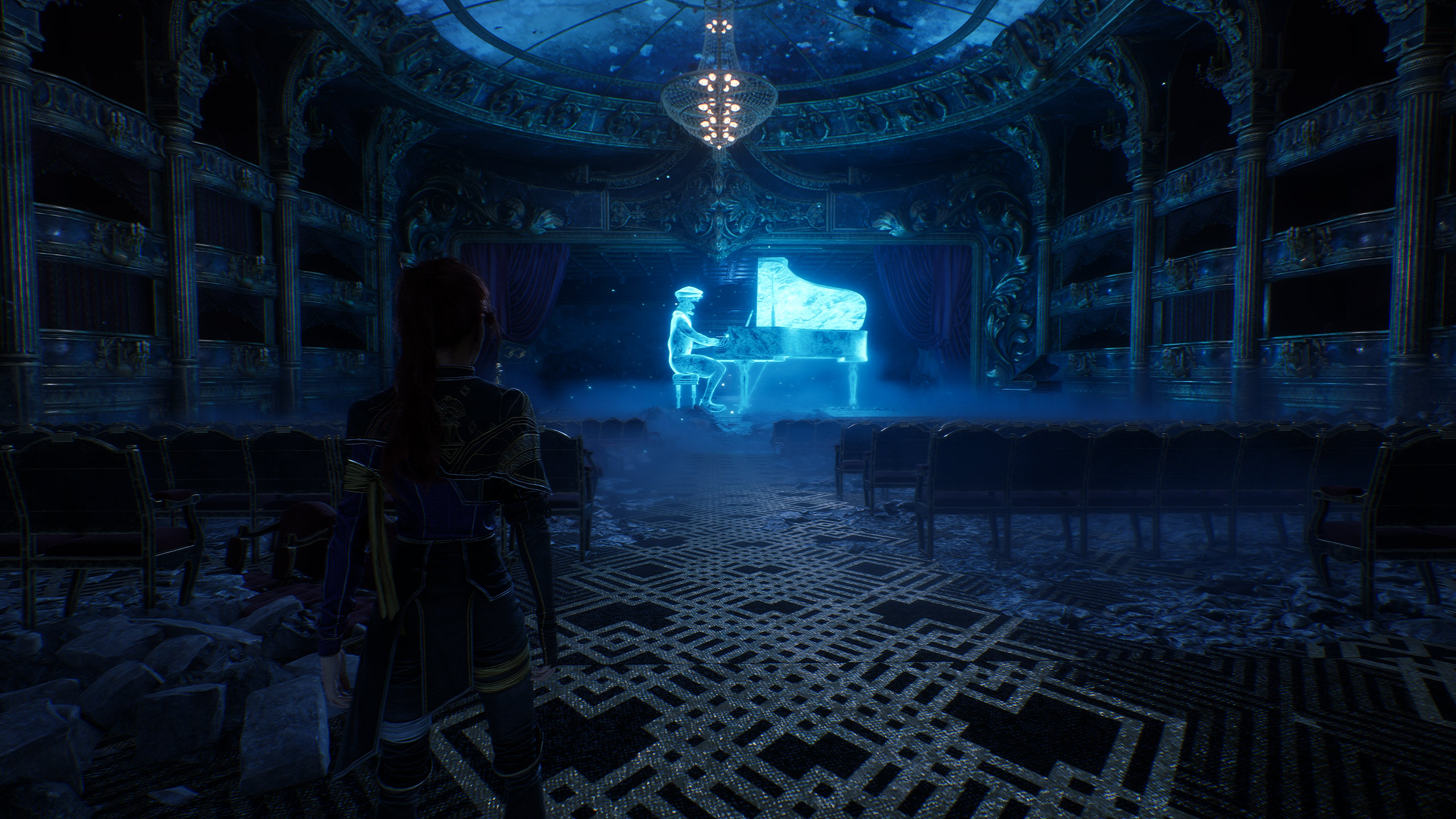
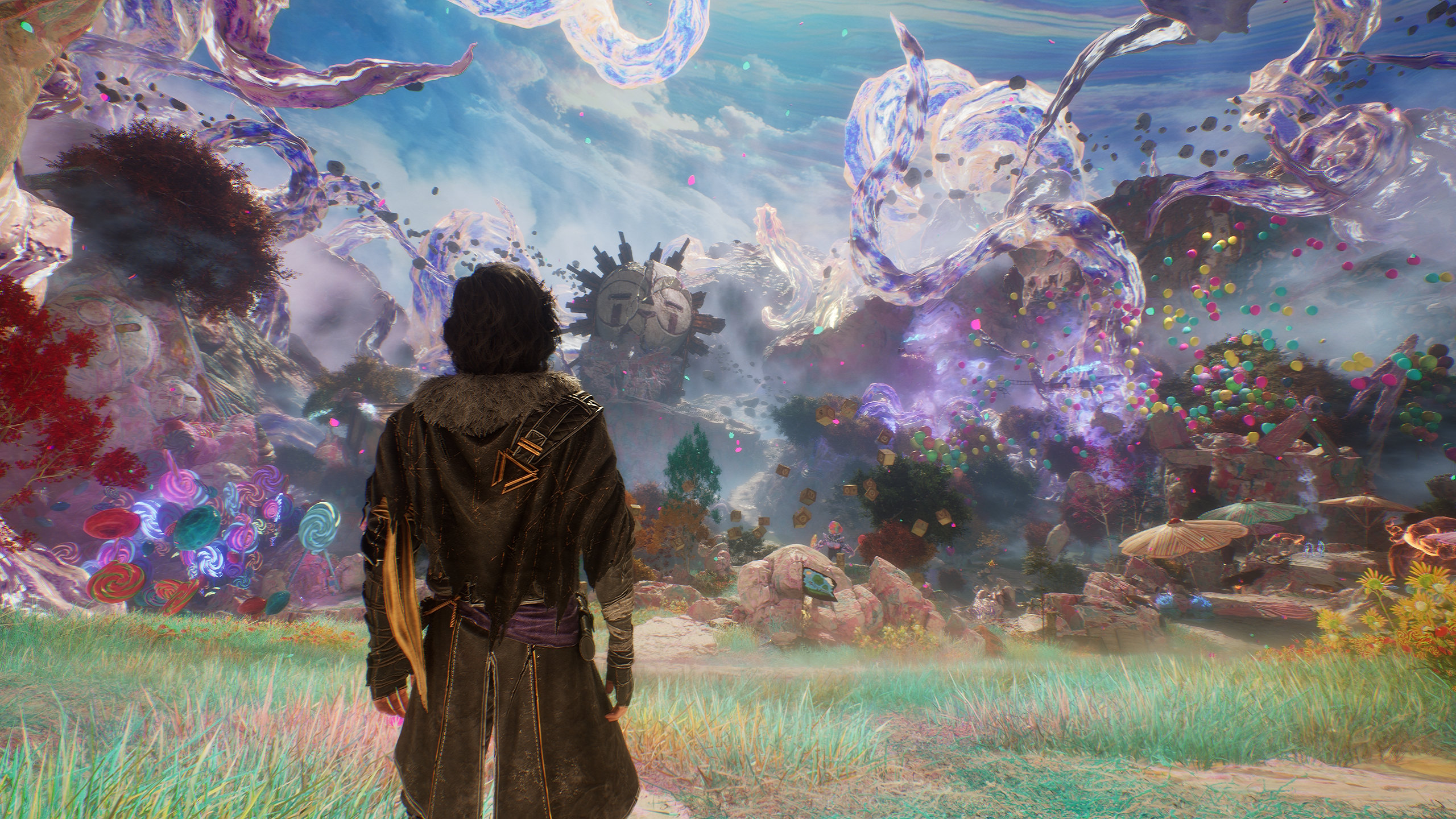
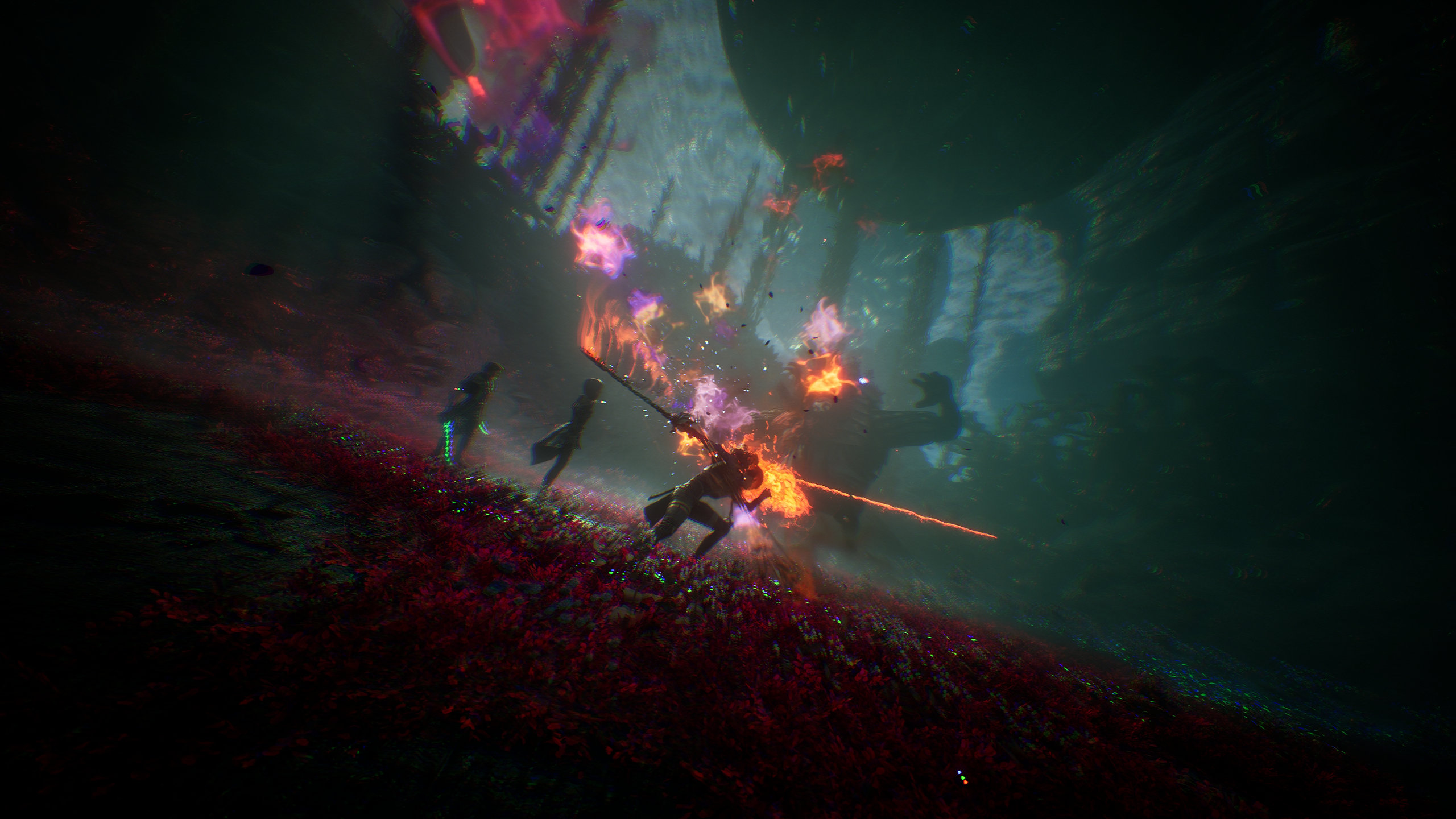
Ultimately – none of the downsides are big enough to be a deal breaker. Especially if you’re sticking only to the main story. I loved playing Clair Obscur: Expedition 33, it’s a very unique and cool game. But I also doubt that I will ever want to replay it, due to the closing parts of the game, the optional content and all of the little frustrations. I’m sure that if you are completely in love with the game’s systems, you will love it even more. But even if you’re simply interested in a cool story driven RPG like this, it’s definitely worth playing.
Spelling error report
The following text will be sent to our editors: